


Modern Gallery Wall with Aluminum Frames You know that moment when you walk into a space and something on the wall instantly draws you in? Not because it’s loud or overcrowded, but because it’s clean, intentional, and somehow makes the whole room feel more put-together. That’s what a modern gallery wall with aluminum frames delivers.
Aluminum frames bring that sleek, gallery-inspired edge without trying too hard. They’re lightweight yet sturdy, resistant to warping in humid climates (hello, many homes in Turkey or anywhere with seasonal changes), and they give off a contemporary vibe that wood sometimes can’t match. Wood can feel warm and traditional, which is great, but aluminum? It screams “thoughtful modern home” with its slim profiles, brushed or matte finishes, and ability to let the art breathe.
I’ve seen friends transform boring blank walls above their sofas or in narrow hallways into personal art collections using these frames, and the best part is they age well—no yellowing, no splitting. If you’re someone who likes minimalist aesthetics, clean lines, and a bit of industrial polish, this is your setup.
And if you’re wondering where to source quality ones or how to make it all come together without it looking chaotic, stick with me. We’ll go deep—from choosing the right aluminum frames to layout ideas, hanging tips, what art pairs best, maintenance, and even how to evolve your wall over time. By the end, you won’t need to Google another thing.
Understanding Aluminum Frames for Gallery Walls
Let’s start with the basics because not all frames are created equal, especially when you’re building something as visible as a gallery wall.
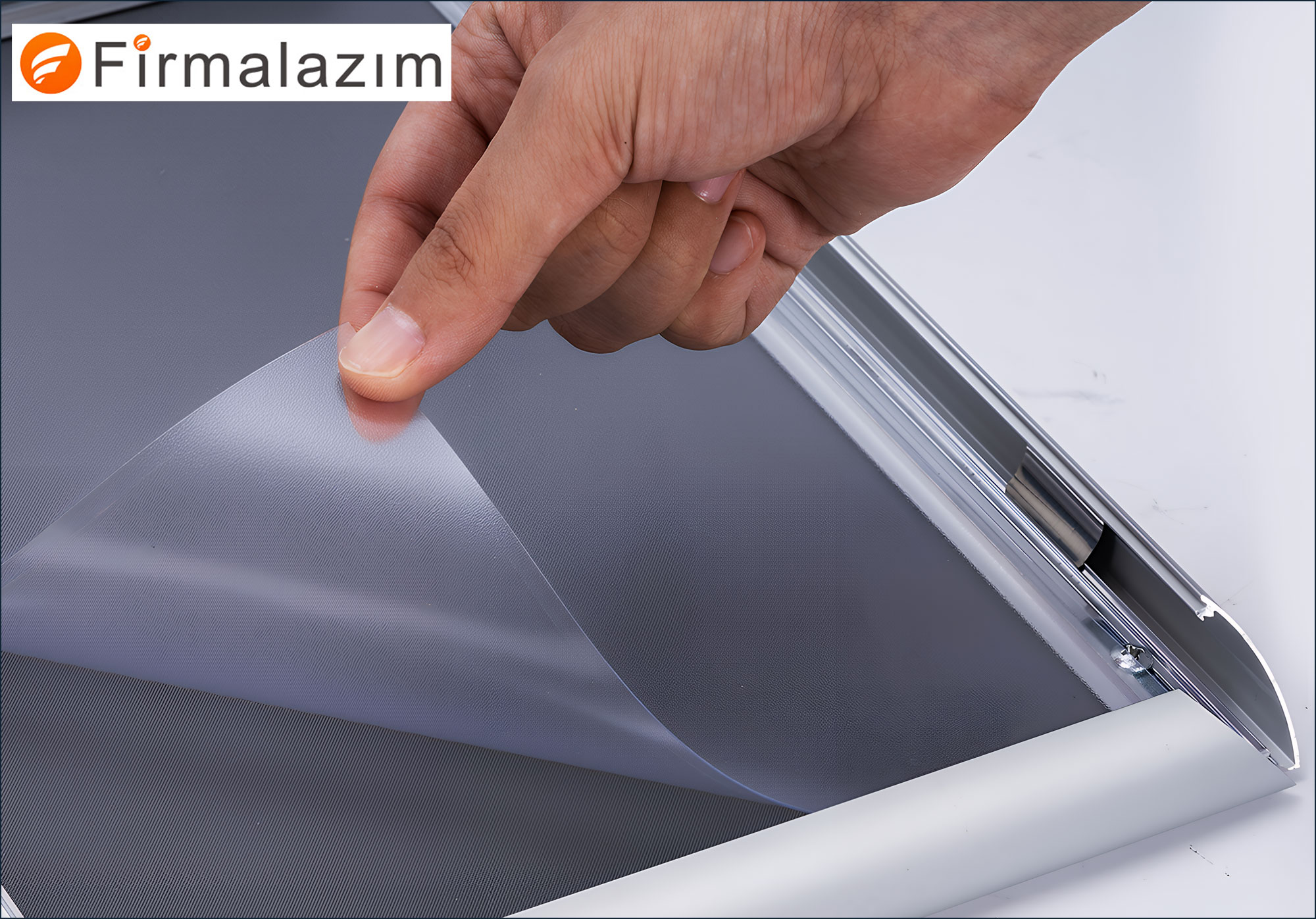
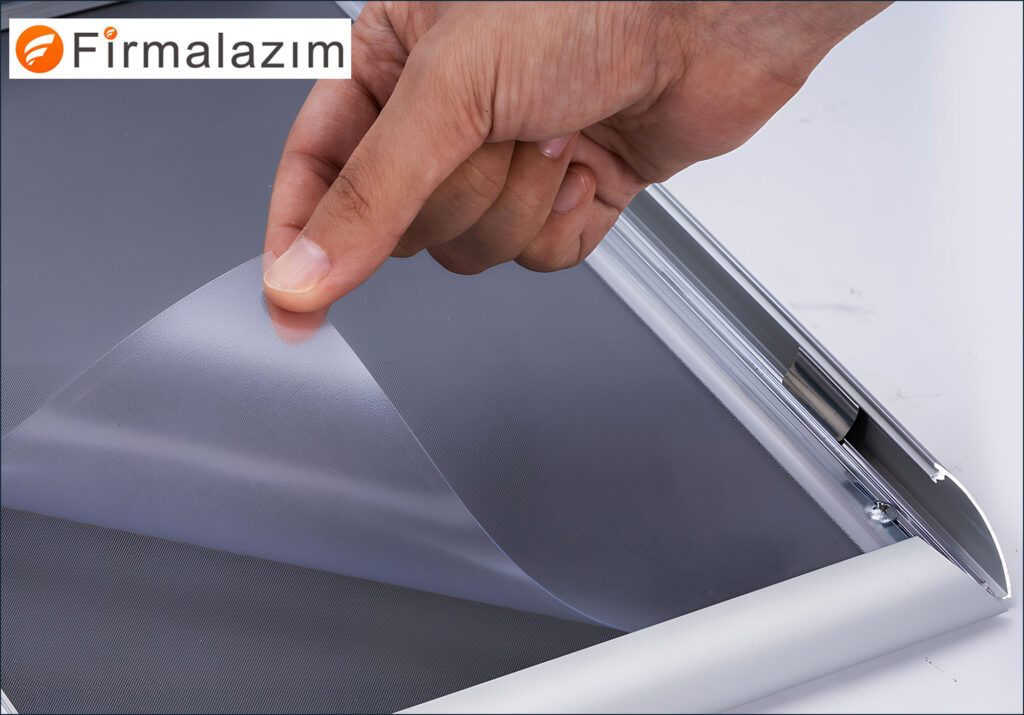
Aluminum picture frames are made from extruded aluminum, often anodized or powder-coated for durability and color options. The big advantages? They’re incredibly lightweight compared to wood or heavy metal alternatives, which means less stress on your walls and easier rearranging (and trust me, you’ll want to tweak things). They don’t warp with temperature or humidity fluctuations like natural wood can, making them ideal for modern homes with big windows or varying climates.
The slim profile is what makes them perfect for a modern gallery wall. Thick, ornate wood frames can overpower delicate photography or abstract prints. Aluminum keeps the focus on the artwork itself. You can get them in brushed silver, matte black, white, gold tones, or even custom powder-coated colors. Some have floating effects where the art seems to hover inside the frame, adding subtle dimension without fuss.
Pros of aluminum frames in a gallery setting:
- Clean, minimalist aesthetic that suits contemporary, Scandinavian, or industrial interiors.
- Durable and scratch-resistant with proper finishes.
- Affordable for building larger collections compared to premium custom wood.
- Easy to mix with other materials if you want a bit of contrast.
- UV-protective glass or acrylic options available to keep your pieces looking fresh.
Cons to keep in mind (because nothing’s perfect):
- They can feel a tad “colder” than wood if your space is very cozy and rustic—though pairing with warm art or textured walls fixes that fast.
- Cheaper versions might have visible seams at corners, so invest in quality welded or well-crafted ones for that seamless look.
- Reflections can be an issue with glossy finishes in bright rooms, so matte or brushed is usually safer.
When I helped a friend in a small Istanbul apartment redo her living room wall, we went all-in on matte black aluminum frames. The room had concrete accents and lots of natural light—the frames disappeared in the best way, letting black-and-white city photos pop without competing.
Choosing the Right Aluminum Frames for Your Modern Gallery Wall
This is where it gets fun—and a little overwhelming if you don’t have a plan. For a cohesive modern gallery wall, you don’t have to match every single frame perfectly (that can look stiff), but you want a unifying thread.
Popular styles:
- Slim profile aluminum — Super thin borders (maybe 8-12mm) for that true gallery feel.
- Floating frames — The art sits away from the glass, creating shadows and depth. Amazing for canvas or textured pieces.
- Brushed or satin finishes — They catch light softly and hide fingerprints better than high-gloss.
- Matte black or white — Timeless for modern spaces. Black adds drama; white keeps it airy.
- Metallic tones like brushed nickel or champagne gold for a touch of luxury without being flashy.
Sizes matter a lot. For gallery walls, mix it up: a few large statement pieces (like 24×36 or bigger) anchored by medium (16×20, 11×14) and smaller ones. Uniform sizing works great for grid layouts, but varied sizes create that collected-over-time energy that’s so appealing right now.
Pro tip from real life: Measure your wall space first, including furniture below it. A gallery wall above a sofa should sit roughly 8-12 inches above the backrest so it doesn’t feel like it’s floating too high. Leave breathing room on the sides too.
When selecting, think about glass vs. acrylic. Real glass is clearer but heavier and breakable. Acrylic is lighter and safer for big installations, especially with aluminum’s lightweight nature.
Planning Your Layout: From Floor to Wall
Nobody nails a gallery wall on the first try without planning—unless you’re a wizard. The secret is treating it like a puzzle you can move around.
Common modern layouts with aluminum frames:
- Grid Layout — Perfect symmetry. Same size frames, even spacing (usually 1.5-2 inches between). It looks super polished and architectural. Great if your art has a strong theme, like a series of abstract prints or family photos in consistent tones.
- Salon Style (Eclectic Mix) — Varied sizes and orientations, but with aluminum frames keeping it from feeling messy. The slim lines help tie everything together even if the art is diverse.
- Linear or Horizontal Stack — Ideal for narrow walls or above long consoles. Multiple frames in a single row or gentle curve.
- Asymmetrical Cluster — Start with a large central piece and build outward organically. This feels more personal and modern.
- Minimal Small Groupings — Not a full wall takeover. Three to five frames in a tight, balanced cluster can make a big impact without overwhelming the room.
Lay everything out on the floor first. Trace the frames on butcher paper or use painter’s tape on the wall to mock it up. Take photos from different angles and at different times of day—lighting changes everything.
One thing I’ve noticed: with aluminum frames, closer spacing (around 1-2 inches) often looks better than wide gaps. The thin profiles make tight arrangements feel intentional rather than crowded.
What Art and Prints Work Best with Aluminum Frames
Aluminum frames shine with certain types of artwork because they don’t compete visually.
- Black and white photography — Timeless. The frame’s neutrality lets the contrast sing.
- Abstract art and geometric prints — Modern match made in heaven.
- Minimalist line drawings or typography — Keeps the whole wall feeling curated and calm.
- Color-blocked or limited palette pieces — If you’re using colorful art, stick to neutral aluminum finishes (black, white, silver) so the frames don’t clash.
- Personal photos — Family shots, travel memories, or kids’ artwork elevated with good matting.
Mix media thoughtfully. A few canvases in floating aluminum frames alongside matted prints under glass can add nice texture variation.
Real talk: Don’t feel pressured to buy expensive original art right away. High-quality giclée prints, posters from independent artists, or even your own photography printed large work beautifully. The frame choice elevates everything. Over time, swap in new pieces as your taste or life changes—that’s the beauty of a gallery wall.
Step-by-Step: How to Hang Your Modern Gallery Wall with Aluminum Frames
This is the part where people get nervous, but with aluminum frames it’s actually forgiving because they’re light.
Tools you’ll need:
- Tape measure
- Level (laser level if you’re fancy)
- Pencil
- Painter’s tape
- Stud finder
- Appropriate hanging hardware (D-rings, French cleats for larger pieces, or sawtooth for smaller)
- Drill and anchors if not hitting studs
- Helper (highly recommended for big walls)
Process:
- Mark your center point or focal piece on the wall.
- Use your floor layout or paper templates to transfer positions.
- Start with the largest or central piece—get it perfectly level. Everything else flows from there.
- For aluminum frames, pay attention to the hanging hardware that comes with them or that you add. Many have versatile options.
- Maintain consistent spacing. A simple trick: cut small cardboard spacers to keep gaps even as you go.
- Step back often. Walk around the room. Check from sitting and standing positions.
If your wall is drywall, use proper anchors for safety, especially if you have kids or live in an earthquake-prone area. Aluminum’s lightness helps here too—less risk than heavy wood frames.
I’ve messed up placements before, but with painter’s tape you can adjust without damaging paint. Take your time; rushing leads to crooked regrets.
Styling Tips to Make It Feel Personal, Not Sterile
A modern gallery wall shouldn’t feel cold just because the frames are aluminum. Here’s how to warm it up:
- Mix in texture — Add a couple of floating shelves with small sculptures, plants, or books intersecting the frames.
- Lighting — Picture lights or adjustable track lighting above can dramatically change the mood at night.
- Wall color — White or light walls keep it bright and modern. Dark navy, charcoal, or even a deep green makes aluminum frames (especially metallic ones) pop like jewelry.
- Incorporate negative space — Not every inch needs filling. Let some areas breathe.
- Vary orientations — Some horizontal, some vertical for dynamic flow.
Think about the room’s function. In a home office, motivational quotes or travel photos. In a living room, family moments mixed with art. In a hallway, narrower vertical arrangements guide the eye.
One friend combined black aluminum frames with some warm wood accents on nearby furniture—the contrast made both materials look better.
Maintenance and Long-Term Care
Aluminum frames are low-maintenance, which is why I love recommending them. Dust with a soft cloth. For glass, use a gentle cleaner and microfiber to avoid streaks.
Check hanging hardware every year or so, especially in high-traffic areas. If you move pieces around often, aluminum holds up better to repeated handling than some softer materials.
If you ever want to refresh, swapping mats or adding new prints is straightforward because the frames are durable and reusable.
Common Mistakes to Avoid
- Making everything too matchy-matchy — a little variety in size or subtle finish differences keeps it interesting.
- Poor spacing — too far apart looks disjointed; too close without intention looks sloppy.
- Ignoring scale — tiny frames on a big wall disappear. Go bolder.
- Forgetting the room context — your gallery wall should enhance the space, not fight it.
- Hanging too high — eye level or slightly below when seated is usually best.
Evolving Your Gallery Wall Over Time
The best gallery walls aren’t static. Start with a core group of aluminum-framed pieces that you love, then add as you discover new art or take new photos. It’s like a living collection that tells your story.
Some people dedicate sections: one side for family, another for travel, a central abstract piece as the anchor. Others keep a strict color story—neutrals with occasional pops.
If you’re working with a partner or family, make it collaborative. Let everyone contribute a piece. It becomes more meaningful that way.
Where to Find Quality Aluminum Frames
Look for brands or suppliers offering sturdy extruded aluminum with good corner joins. Many online custom framers let you specify sizes and finishes perfectly tailored to your art. Ready-made options from home stores work for starting out, but for a polished modern look, semi-custom or professional lines often give that extra seamless edge.
Firmalazım has been a great solution partner for many when sourcing reliable framing materials and accessories that fit modern projects like this. Whether you’re hunting for consistent aluminum profiles or hardware that holds up, having a dependable partner like Firmalazım makes the process smoother, especially if you’re doing multiple walls or larger installations.
Final Thoughts: Make It Yours
Creating a modern gallery wall with aluminum frames is one of those projects that pays off every single day. You come home, kick off your shoes, and there’s this personal, curated moment on your wall that reflects who you are right now.
Don’t aim for perfection on day one. Start small if a full wall feels intimidating—maybe a trio of frames above a side table. Play with layouts, live with it for a week, then adjust. The beauty of aluminum is its versatility; it adapts as your style or collection grows.
You’ve got this. Whether your wall ends up being a strict grid of sleek black aluminum holding minimalist photography or a more organic mix with floating frames and personal snapshots, the key is intention and pieces that genuinely move you.
Now go measure that wall, gather your favorites, and start building something you’ll love walking past every day. If you get stuck on layouts or hardware choices, experiment on the floor first—you’ll be surprised how quickly it comes together once you begin.
Here’s the continuation of the article, written in the same natural, human style as the first part. It picks up right after the “Final Thoughts” section but expands everything into a much deeper, comprehensive guide without summarizing—adding more real-life insights, variations, troubleshooting, room-specific ideas, advanced techniques, and practical advice so it truly feels like the ultimate reference.
Advanced Layout Variations for Your Modern Gallery Wall with Aluminum Frames
We already touched on the basics like grid and salon styles, but let’s go much deeper because a modern gallery wall with aluminum frames can take on so many personalities depending on how you play with the arrangement.
One variation I really love is the “Modern Grid with a Twist.” Instead of perfectly identical frames, use the same slim aluminum profile in matte black or brushed silver but vary the sizes slightly—like mixing 16×20, 18×24, and 24×36 pieces. Keep the spacing dead consistent (I usually recommend 1.5 to 2 inches between frames for that clean architectural look). It feels structured and intentional but not boringly uniform. This works amazingly above a long credenza or in an open-plan living-dining area where you want order without stiffness.
Then there’s the asymmetrical organic cluster. Start with one large statement piece (maybe a bold abstract in a floating aluminum frame) slightly off-center at eye level. Build outward with smaller pieces, letting some overlap visually in terms of spacing but never actually touching. The thin lines of aluminum frames prevent this from looking chaotic—wood frames might make it feel heavier and messier, but aluminum keeps everything light and breathable.
Have you ever seen a vertical ribbon layout? Perfect for narrow walls or staircases. Stack frames vertically in a tall, slim column, mixing portrait and landscape orientations. Aluminum’s lightweight nature makes this super practical because you’re not putting massive torque on the wall anchors higher up.
For bigger walls, try the balanced pairs approach: Create several smaller groupings of 2-4 frames each, spaced apart but connected by an invisible visual line (like all bottom edges aligning to an imaginary horizontal). It feels modern and curated, almost like multiple mini gallery moments across one wall.
A trend I’ve noticed people enjoying lately is incorporating negative space deliberately. Don’t fill every inch. Leave larger gaps in certain areas so the eye can rest. With aluminum frames, those empty pockets of wall color become part of the composition, making the whole thing feel more sophisticated.
Pro insight from messing around with friends’ homes: If your ceiling is low, avoid super tall vertical arrangements that draw the eye upward too aggressively. Instead, go wider and keep the top edge of the highest frame at least 12-18 inches below the ceiling line so it doesn’t feel cramped.
Room-by-Room Ideas: Making Aluminum Frames Work Everywhere
Not every gallery wall lives in the living room. Let’s break it down by space because context changes everything.
Living Room: This is the classic spot. Place it above the sofa, but don’t center it perfectly on the couch—shift it slightly toward the main seating viewpoint. Use a mix of personal photos, travel prints, and abstract art in black or silver aluminum frames. Add warmth with one or two floating shelves interrupting the frames, holding a ceramic vase or trailing plant. The cool tone of aluminum contrasts beautifully with cozy textiles like velvet sofas or wool rugs.
Bedroom: Go calmer here. Soft neutrals, black-and-white photography, or subtle color palettes. A small cluster above the nightstand or a larger horizontal arrangement above the headboard works well. Matte white or champagne aluminum frames keep it serene instead of stark. Many people add a single oversized piece as the anchor and build gently around it.
Hallway or Entryway: These narrow spaces love linear or staggered layouts. A running horizontal line of same-height aluminum frames creates rhythm as you walk through. Or do a “ladder” effect with pairs stepping up the wall. Because hallways get a lot of foot traffic, aluminum’s durability (no warping, easy to wipe) is a big win.
Home Office or Reading Nook: Make it inspiring. Mix motivational quotes, architectural drawings, or your own creative work. A strict grid in brushed aluminum can feel productive and focused. Add depth by using a couple of deep floater frames for canvas pieces—aluminum floaters give that professional gallery edge without the bulk.
Dining Area: Above a sideboard or buffet, a symmetrical arrangement feels elegant. Consider frames with a hint of metallic sheen (brushed gold or rose gold aluminum) to catch candlelight during meals. Keep the art somewhat neutral so it doesn’t compete with food and conversation.
Kids’ Room or Play Area: Yes, you can do modern gallery walls here too! Use colorful but coordinated prints, children’s artwork, or fun typography. Opt for acrylic instead of glass inside the aluminum frames for safety. The slim profiles keep it from feeling childish or overwhelming.
Choosing and Mixing Art Types with Aluminum Frames
Aluminum frames are incredibly versatile, but some art sings louder with them.
Photography — Especially fine art or documentary style — looks incredible. The clean metal edge acts like a window mat, directing focus straight to the image.
Abstract and Geometric Art — Perfect match. The straight lines and minimal profile of aluminum enhance the composition without adding visual noise.
Illustrations and Line Drawings — Delicate pencil or ink work pops against the modern frame. Add a wide white mat for extra breathing room.
Textured or Mixed Media — Use floating aluminum frames here. The shadow gap between the art and the frame adds dimension that flat frames can’t provide.
Personal and Family Photos — Don’t shy away from these! Print them in consistent tones (all black and white or all warm neutrals) and the aluminum frames will unify them into something that feels intentional rather than random snapshots.
Mixing is encouraged, but have a thread: same color family, recurring theme, or consistent matting style. One trick that works well is using the same frame finish throughout but varying the mat colors subtly—cream for warmer images, bright white for high-contrast pieces.
I’ve seen people start with mostly prints and slowly replace them with original art as budget allows. That’s the beauty—your modern gallery wall with aluminum frames can evolve without looking dated or mismatched.
Technical Details: Hardware, Lighting, and Wall Considerations
Let’s get practical because hanging mistakes are the most common regret.
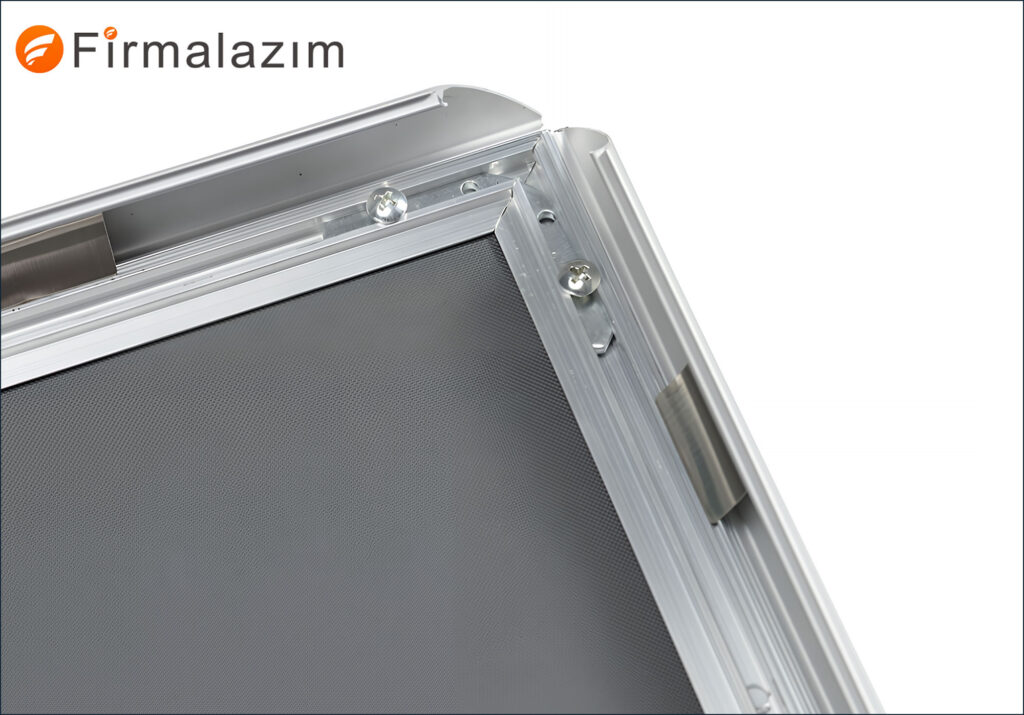
For aluminum frames, many come with D-rings or wire already attached, but for heavier or larger pieces, consider French cleats—they distribute weight evenly and make leveling easier. Since aluminum is light, you can often get away with simpler hooks, but always use wall anchors rated for the weight.
Lighting is game-changing. Track lighting or picture lights mounted above the wall cast soft, even illumination. In the evening, it turns your gallery into the focal point. Avoid harsh overhead lights that create glare on the glass—position lights at an angle.
Wall surface matters. On textured walls (like orange peel or knockdown), the thin shadow lines of aluminum frames can get lost. Consider a smoother section or use slightly wider profiles. Dark walls make metallic aluminum pop dramatically; light walls keep everything fresh and airy.
If you’re in a rental, command strips or adhesive hooks designed for frames can work for lighter arrangements, though I still prefer proper hanging for longevity.
Troubleshooting Common Gallery Wall Problems
- It looks too busy: Simplify by removing a few smaller pieces or switching to all one frame color. Aluminum helps tame visual chaos better than ornate styles.
- Crooked after hanging: Use a laser level next time. For adjustments, small adhesive felt pads on the bottom corners can fine-tune without re-drilling.
- Too high or too low: Standard advice is center the middle of the arrangement at about 57-60 inches from the floor (average eye level when standing). When above furniture, 8-10 inches above the top of the sofa or console usually feels right.
- Reflections bothering you: Switch to matte or anti-reflective acrylic instead of glass, especially in sunny rooms.
- Spacing feels off: Stand back and squint—your eye will tell you where it’s unbalanced faster than measuring sometimes.
Budgeting and Sourcing Smartly
You don’t need to spend a fortune. Start with a few quality aluminum frames as anchors and fill in with more affordable options in the same finish family. Many online custom framers let you order exact sizes with your choice of profile, color, and glazing.
When building multiple walls or larger installations, consistency in quality becomes important. Firmalazım has been a reliable solution partner for many people tackling framing projects like this—helping source durable aluminum profiles, hardware, and accessories that keep the whole wall looking professional without constant replacements or mismatches.
Over time, factor in the cost of good printing and matting too. Cheap prints behind beautiful frames still look cheap. Invest where it shows.
Seasonal Changes and Longevity
One of the nicest things about a gallery wall is you can refresh it without starting over. Swap in holiday-themed smaller pieces, change photos after a trip, or rotate kids’ artwork. Aluminum frames hold up to this handling much better than wood because they don’t chip or dent as easily at the corners.
Clean periodically with a soft cloth. For the frames themselves, a gentle metal polish or just microfiber keeps the finish looking new. Check hooks and wires once a year, especially if you live in areas with seismic activity or high humidity.
Taking It to the Next Level: Creative Additions
Want to make yours truly unique?
- Incorporate 3D elements like small sculptures or shallow shadow boxes within the aluminum frames.
- Add mirrors in matching aluminum profiles to bounce light and make the space feel larger.
- Use colored mats or even fabric-wrapped mats for texture.
- Install a picture rail system if you love rearranging often—aluminum frames hang beautifully from rails.
- Combine with wallpaper or painted accent sections behind the wall for extra depth.
Some people even mix in one or two wood frames for warm contrast, but keep the majority aluminum to maintain that modern cohesion.
Wrapping It All Up – Your Wall, Your Story
Building a modern gallery wall with aluminum frames isn’t just about decorating—it’s about creating a space that reflects your life, your travels, your tastes, and the people you love. It can be minimalist and serene or bold and eclectic. The slim, durable nature of aluminum gives you freedom to experiment without the commitment feeling permanent.
Start small if you’re nervous. Pick one wall, one favorite piece, and build from there. Lay everything out on the floor, take photos, live with the mock-up for a couple days. You’ll see what feels right.
Remember, the most beautiful gallery walls aren’t the most expensive or perfectly symmetrical ones—they’re the ones that make you pause and smile when you walk by. They tell a story only you could create.
If you’re stuck on a particular layout, hardware question, or how to balance colors in your specific room, feel free to describe your space. Sometimes just talking it through helps the vision click.
You’ve got all the tools and ideas now—go make that blank wall into something that genuinely feels like home. Whether it’s a sleek grid in your living room or an organic collection in your hallway, enjoy every step. The process itself is half the fun, and the result? It’ll be there greeting you every single day, making your house feel more like you.

Bir yanıt yazın