


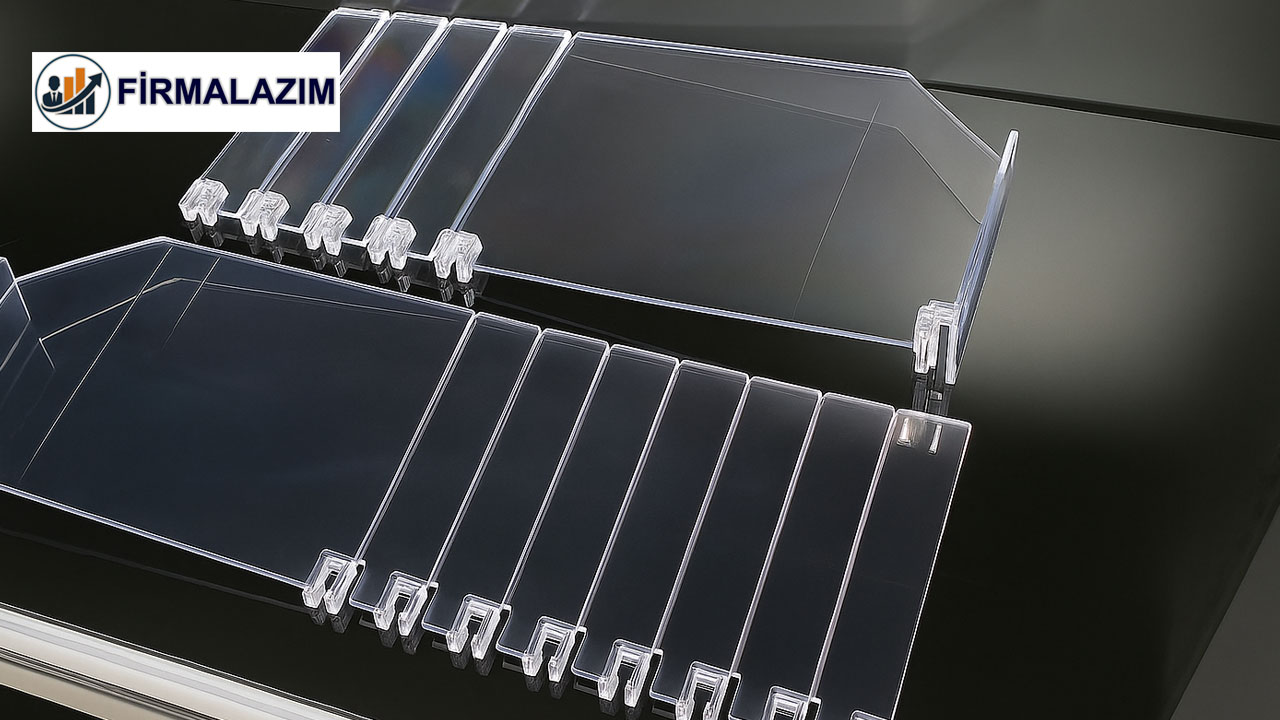
Exporting Shelf Dividers to Kuwait Hey there, if you’re reading this, chances are you’re either already in the retail fixtures game or thinking about diving into it. Exporting shelf dividers to Kuwait might sound like a niche play at first, but trust me, once you see the booming retail scene over there, it starts making a lot of sense. I’ve spent time digging into these markets, talking to exporters, and learning from real shipments, and I’m here to walk you through every single step. No fluff, no shortcuts – just the kind of practical advice you’d want from someone who’s been in the trenches.
Whether you’re a manufacturer in Turkey, Europe, or Asia looking to tap into the Gulf, or a distributor trying to expand your reach, this guide is built to be your main reference. We’ll cover the market, the products, the paperwork, the shipping headaches, the cultural nuances, and even some insider tips that can save you time and money. And if things get overwhelming (because they sometimes do), remember that teaming up with a solid solution partner like Firmalazım can smooth out a lot of those bumps.
Why Kuwait? Understanding the Market Opportunity for Shelf Dividers
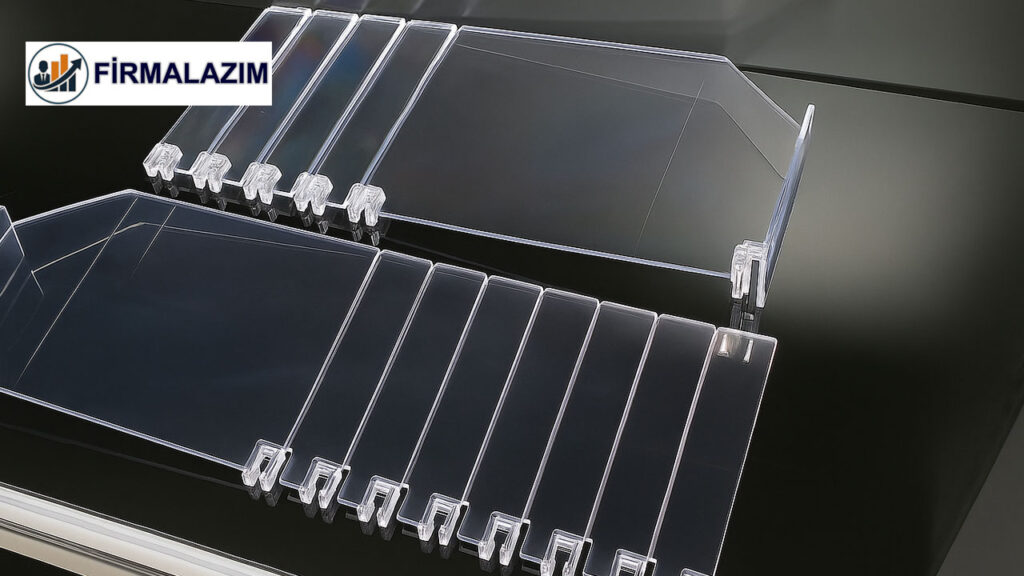
Kuwait isn’t just another desert market – it’s a wealthy, modernizing economy with a growing retail sector that’s hungry for organized, efficient store setups. The country has one of the highest per capita incomes in the region, and its population loves shopping in clean, well-organized hypermarkets and supermarkets.
Think about it: hypermarkets and supermarkets dominate the grocery and general retail landscape. Places like Lulu, Carrefour, and local chains are constantly expanding and refreshing their stores. Shelf dividers are the unsung heroes here – they keep products neat, prevent mixing of categories, maximize space, and make the shopping experience smoother for customers. In a hot climate where people prefer quick, organized trips, good dividers matter more than you might think.
From what I’ve seen, demand comes from several angles:
- Supermarkets and hypermarkets needing dividers for food aisles, cosmetics, household goods.
- Pharmacies and convenience stores for smaller, more precise organization.
- Warehouses and distribution centers using heavier-duty versions.
- Specialty retail like home goods or electronics stores.
Urbanization is pushing more apartment living, which boosts demand for efficient storage solutions indirectly through better retail presentation. Kuwaiti consumers have high expectations – they want premium-looking stores even for everyday items. That means opportunities for both basic plastic dividers and higher-end acrylic or metal ones.
If you’re exporting, timing matters. Ramadan and back-to-school seasons see spikes in store refreshes. Kuwait’s Vision 2035 pushes for economic diversification, more retail development, and modern infrastructure. This isn’t a stagnant market – it’s growing steadily at around 3% CAGR in retail overall.
A quick real-talk moment: Many first-time exporters underestimate how much presentation matters in the Gulf. A messy shelf loses sales. Good dividers aren’t just accessories; they’re silent salespeople. I’ve heard stories of stores losing 10-15% potential impulse buys because products looked disorganized.
Types of Shelf Dividers: What Sells Best in Kuwait?
You can’t just ship one type and hope for the best. Kuwaiti buyers want options. Here’s a breakdown:
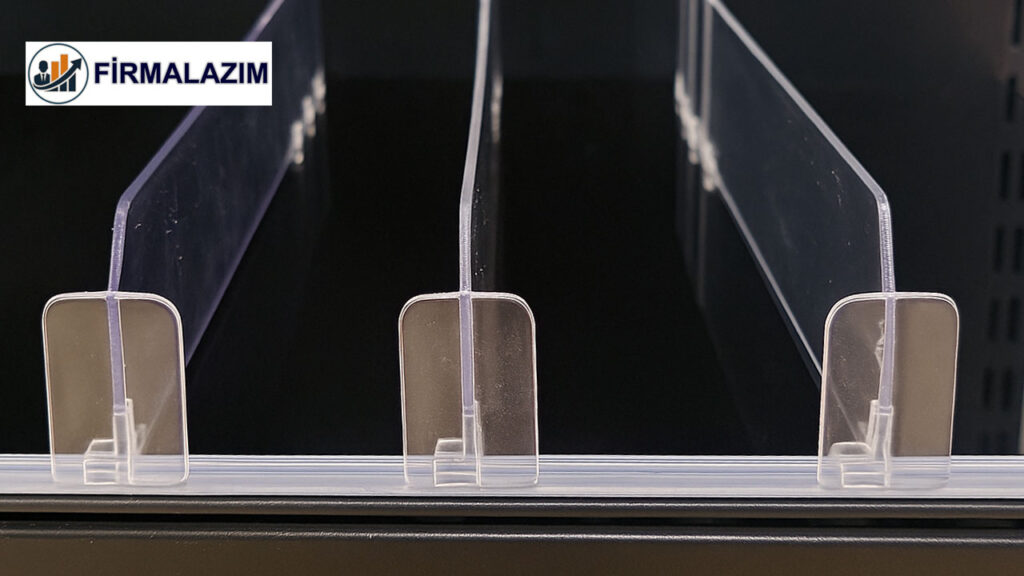
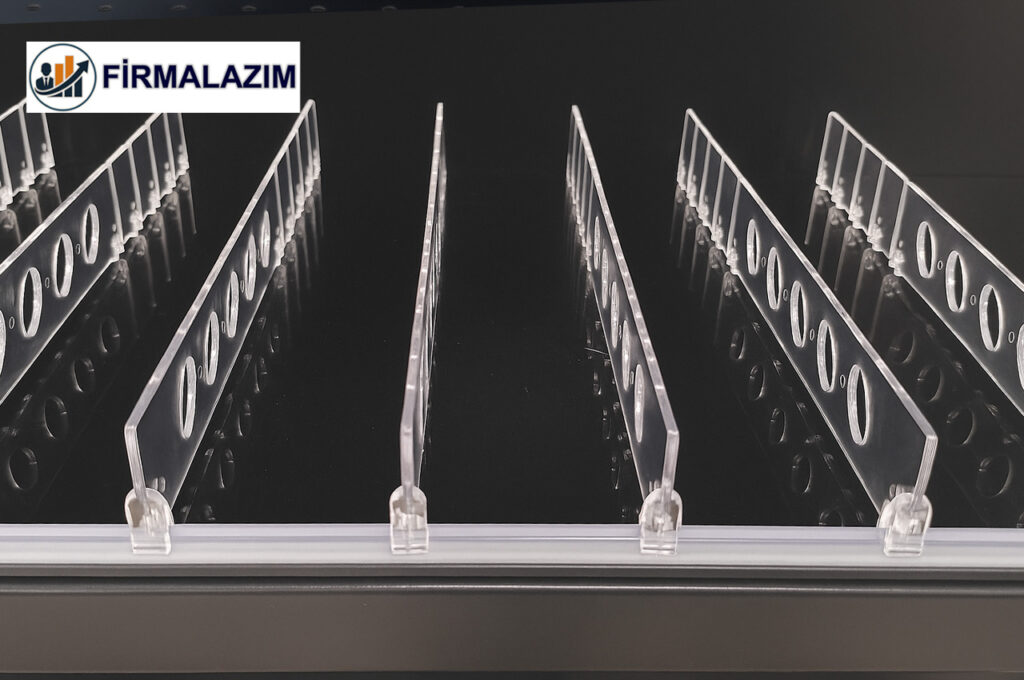
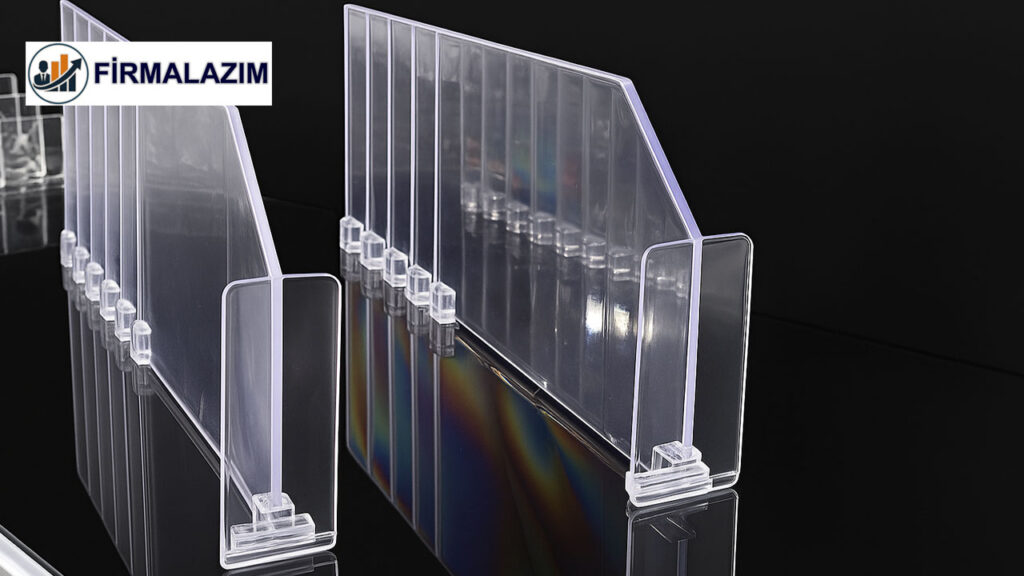
Plastic Shelf Dividers These are the workhorses. Affordable, lightweight, easy to clean in dusty conditions. L-shaped, T-shaped, magnetic-backed – they dominate everyday retail. Transparent PET versions are popular because they don’t block product visibility.
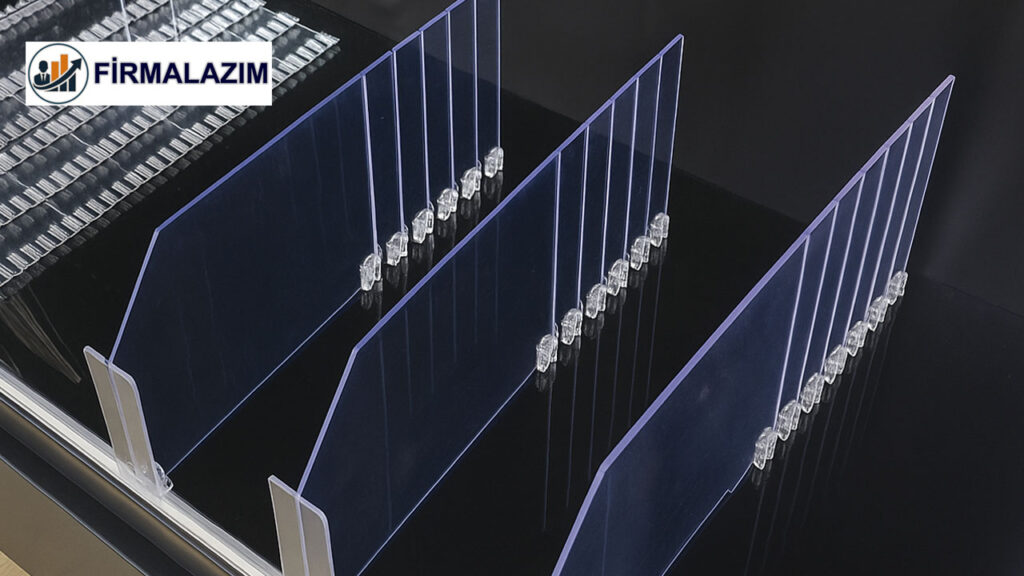
Acrylic Shelf Dividers Premium feel. Crystal clear, sturdy, great for cosmetics, perfumes, or high-margin items. They give that luxury look that Kuwaiti shoppers appreciate. Clip-on or adhesive types both work, though adhesive needs to handle heat.
Metal and Wire Dividers For heavier products or warehouse use. Powder-coated steel lasts longer in air-conditioned but still humid environments. Good for gondola shelves.
Custom and Adjustable Dividers This is where you can stand out. Kuwait stores have varied shelf depths. Offering customizable heights, lengths, and colors (neutral whites, blacks, or clear) wins contracts.
Specialty Variants
- Magnetic for easy repositioning
- With label holders integrated
- Anti-theft angled ones for small expensive items
- Eco-friendly recycled materials (growing interest in sustainability)
Pro tip: Always ask your buyer about their exact shelf models. Many use standard European or Middle Eastern gondola systems. Mismatches cause returns, and nobody wants that.
I’ve seen exporters succeed by starting with samples of 5-6 variations. One guy I know sent a small batch of magnetic L-dividers and landed a repeat order for 10,000 units within months because they held up well in the heat.
Product Standards, Quality, and Customization for Kuwait
Kuwait follows GCC standards with KUCAS (Kuwait Conformity Assurance Scheme) for many goods. For shelf dividers (often under plastics or furniture fittings), you might need a Technical Inspection Report (TIR) from an approved body.
Key things to focus on:
- Material durability: Must withstand 40-50°C summers. UV-resistant if possible.
- Food safety: If for grocery use, ensure non-toxic, BPA-free.
- Labeling: Arabic + English markings recommended. Country of origin clear.
- Packaging: Strong enough for sea freight, protected from dust.
Customization is huge. Kuwaiti retailers often want their brand colors or specific dimensions. Working with a solution partner like Firmalazım here helps – they can coordinate factory adjustments and ensure compliance without you chasing every detail.
Real example: A Turkish manufacturer adjusted divider thickness by 0.5mm based on feedback from a Kuwaiti hypermarket chain. That small change led to a multi-year supply deal because it fit their shelves perfectly and reduced wobbling.
Step-by-Step: How to Export Shelf Dividers to Kuwait
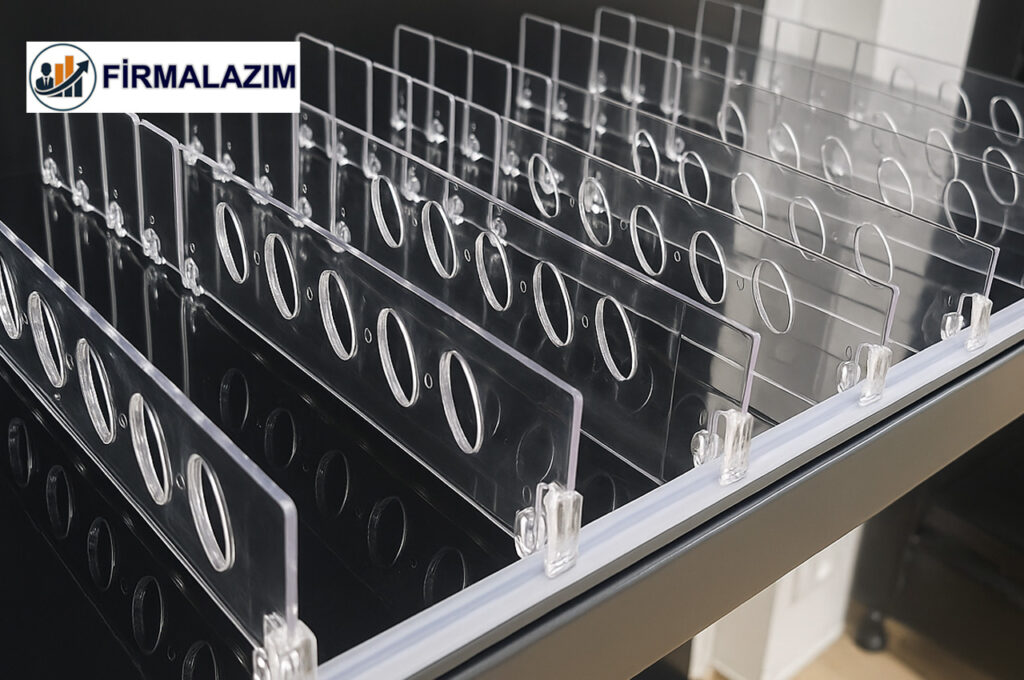
1. Market Research and Finding Buyers
Don’t blind ship. Start with:
- Kuwait Chamber of Commerce and Industry (KCCI) directories.
- Trade shows like Kuwait Trade Fair or regional ones in Dubai.
- Online B2B platforms, but verify buyers.
- Local agents or distributors specializing in retail fixtures.
Many successful exporters use local partners who already supply supermarkets. This reduces your risk. A good solution partner like Firmalazım can introduce you to vetted importers and help negotiate.
2. Legal and Regulatory Requirements
Kuwait has straightforward but strict rules.
Key Documents:
- Commercial Invoice (detailed, with HS codes – now often 12-digit)
- Certificate of Origin
- Packing List
- Bill of Lading / Airway Bill
- TIR if required for conformity
- Letter of representation from local agent for customs clearance
Import licenses: Many retail goods need them, handled by your Kuwaiti importer (who must be a registered Kuwaiti entity or citizen for certain categories).
Customs Duties: Generally 5% on CIF value for most shelf dividers. Not too bad, but calculate it properly. No major restrictions on these products.
You can’t clear customs yourself as a foreigner – needs a licensed Kuwaiti broker and local importer.
Pro Tip: Get documents legalized if needed (through embassy or chambers). Incomplete paperwork is the #1 cause of delays.
3. Pricing, Quotation, and Payment Terms
Be competitive but realistic. Factor in:
- Production + shipping + 5% duty + agent fees
- Currency: Usually USD or sometimes EUR
- Payment: Letter of Credit (LC) is safest for first orders. 30% advance, balance on shipment for trusted partners.
Offer tiered pricing for volume. Include customization costs transparently. Kuwaiti buyers respect honesty but negotiate hard – build relationships first.
4. Packaging and Shipping Logistics
Sea freight is most cost-effective for bulk. From Turkey or Europe, 20-25 days typical. Air for samples or urgent.
Packaging tips:
- Stack efficiently but protect edges.
- Use pallets, shrink wrap, moisture barriers (Gulf humidity/sand).
- Clear labeling with handling instructions.
Choose experienced forwarders familiar with Kuwait ports (Shuwaikh or Shuaiba).
A solution partner like Firmalazım often handles logistics coordination, saving you from learning every port regulation the hard way.
5. Customs Clearance Process in Kuwait
Your local agent handles this. Documents submitted in advance. Clearance can take 1-3 days if smooth, longer if inspection triggered.
Inspections focus on conformity and documentation. Have everything ready.
Challenges You’ll Face (and How to Overcome Them)
Challenge 1: Heat and Dust Solutions: Use materials tested for high temps. Sealed packaging.
Challenge 2: Relationship-Driven Business Kuwaitis value trust. Don’t rush. Multiple visits, shared meals, follow-ups. Hierarchy matters – speak to decision-makers.
Challenge 3: Competition Chinese low-cost options exist, but quality and reliability from Turkey/Europe win for premium segments. Differentiate with better service and customization.
Challenge 4: Bureaucracy Patience is key. A good local partner helps tremendously.
I’ve seen shipments delayed by minor label errors. Double-check everything. One exporter I know now uses checklists co-developed with his solution partner Firmalazım and hasn’t had a customs issue in two years.
Marketing Your Shelf Dividers in Kuwait
- Digital: LinkedIn, local business groups.
- In-person: Store visits with samples.
- Partnerships: With fixture installers or shopfitters.
- After-sales: Offer replacement support – builds loyalty.
Share case studies: “How our dividers increased shelf efficiency by 20% in similar Gulf stores.”
Future Outlook and Scaling Up
Retail modernization continues. E-commerce growth might influence hybrid models, but physical stores remain dominant. Sustainability trends could favor recyclable dividers.
Expanding? Look at neighboring GCC countries once Kuwait is stable. Many use it as a hub.
Final Thoughts: Making It Work for You
Exporting shelf dividers to Kuwait isn’t rocket science, but it rewards preparation, quality, and relationships. Start small with samples, listen to feedback, and build from there. If you’re serious, don’t go it alone – connect with experienced players who know the ropes.
A reliable solution partner like Firmalazım can be invaluable, whether for sourcing compliant products, handling logistics, or bridging cultural gaps. They’ve helped many businesses turn initial exports into steady revenue streams.
You’ve got the market potential, the product demand, and now the knowledge. The next step is yours. Reach out to potential partners, prepare those first samples, and take action. Success in this market favors those who are consistent and customer-focused.
If something changes in regulations (they do occasionally), always verify with official sources or your local contact. But with the foundation in this guide, you should be well-equipped.
Good luck – and happy exporting! If you implement even half of these tips thoughtfully, you’ll see results. The Gulf rewards quality and commitment. You’ve got this.
Exporting Shelf Dividers to Kuwait: Your Complete, No-Nonsense Guide (Continued)
Hey, glad you’re still with me. We covered the big picture earlier — why Kuwait matters, what types of shelf dividers sell, regulations, and the basic export steps. Now let’s go much deeper. I want this to be the guide you bookmark and come back to whenever you need practical answers. No stone left unturned.
Deep Dive into Product Specifications That Actually Matter in Kuwait
You can’t treat shelf dividers as simple plastic bits. Kuwaiti retailers are picky because their stores operate in extreme conditions.
Material Choices That Survive the Heat Summer temperatures regularly hit 45-50°C inside warehouses and sometimes on shop floors before full air-conditioning kicks in. Standard cheap plastic becomes brittle or warps. You want:
- High-grade polypropylene or ABS that’s heat-stabilized
- UV-resistant additives if any part will be near windows
- Thickness minimum 3-4mm for main body on larger dividers
I remember one Turkish exporter who lost a whole shipment because they used regular PET that fogged up after two months in Kuwait’s humidity. The client switched to a better supplier and never looked back. That’s why working with a reliable solution partner like Firmalazım makes sense — they know which factories actually test for Gulf conditions.
Sizes and Configurations That Fit Real Shelves Most big chains in Kuwait use European-style gondola shelving with depths of 40cm, 50cm, and 60cm. Popular divider heights are 8cm, 10cm, 12cm, and 15cm. Always offer adjustable options — many stores change layouts seasonally.
Best-selling combinations I’ve seen moving well:
- L-shaped transparent dividers with magnetic base
- T-shaped for wider aisles
- Dividers with built-in price channel holders
- Heavy-duty metal ones for bottled water and soft drinks sections
Color Trends Clear and crystal are still kings, but matte black and soft grey are gaining ground for a more premium, modern look. Some pharmacies prefer white for a clean, clinical feel.
Pricing Strategies That Win Kuwaiti Buyers
Let’s talk numbers honestly. You need to be competitive but not desperate.
Typical landed cost structure (example for a 40ft container of mixed plastic dividers from Turkey):
- Manufacturing: $0.18 – $0.65 per piece depending on type
- Sea freight to Shuwaikh: $2,800 – $3,800
- Insurance: 0.3%
- Kuwait customs 5%
- Local clearance & transport: KD 150-300
Your selling price to distributor should leave them 25-35% margin while keeping you healthy.
Smart approach: Offer tiered pricing.
- Small trial order (500-2000 pcs): higher unit price
- Medium (5,000-15,000): good discount
- Large annual contract (50,000+): best price + customization
Many successful exporters give better pricing when the buyer commits to quarterly orders. This creates stability for both sides.
Payment Terms That Protect You First order: 30-40% advance + 60-70% at shipment via LC or TT. After building trust: 30% advance, balance 30 days after delivery. Never do 100% after delivery in the beginning.
Finding and Working with the Right Partners in Kuwait
This is where most people mess up. Kuwait’s business culture is relationship-first.
Types of Partners You Can Work With:
- Retail Fixtures Importers/Distributors – They already supply shelves, racks, and POS materials to hypermarkets.
- Shopfitting Companies – They do store renovations and need reliable suppliers.
- Direct to Large Chains – Lulu, Alshaya, Sultan Center, etc. (harder entry but higher volume).
- Trading Companies – Local Kuwaiti firms with import licenses.
How to Approach Them Start with a professional introduction email + catalog + short video of your production. Then follow up politely. When you visit (and you should), bring samples, business cards in Arabic on the back, and be ready for long meetings with tea and coffee.
A good solution partner like Firmalazım can save you months here. They already have contacts, understand the local etiquette, and can arrange meetings and even accompany you on your first trip.
Shipping and Logistics — The Real Details
Sea freight is king for volume. From Istanbul or Izmir ports, expect 18-28 days to Shuwaikh Port.
Container Loading Tips:
- Use strong cartons with double wall for protection
- Put silica gel packs inside boxes
- Palletize everything — Kuwait customs loves pallets
- Maximum stack height 1.8m to avoid crushing
Air Freight for samples or urgent small orders (very expensive but sometimes necessary during Ramadan rush).
Insurance — Always take all-risk marine insurance. One damaged container can wipe out your profit.
I know an exporter who saved 18% on logistics costs simply by switching from break-bulk to proper container optimization with help from an experienced partner.
Customs Clearance — Step by Step From the Kuwait Side
Once your container arrives:
- Your Kuwaiti agent receives Bill of Lading
- Documents submitted to customs (usually electronically)
- Physical inspection (random or targeted)
- Release order issued
- Container picked up from port
Common reasons for delays:
- Missing Arabic translation on commercial invoice
- Wrong HS code
- Incomplete Certificate of Origin
- Packaging that looks damaged
Having a solution partner like Firmalazım who coordinates with the clearing agent makes this process much less stressful.
Quality Control and After-Sales Support
Don’t disappear after the shipment. Successful exporters:
- Do pre-shipment inspection (hire third party if possible)
- Offer 12-month warranty against manufacturing defects
- Keep stock of spare parts in Kuwait or can ship replacements quickly
- Visit once or twice a year to check how products are performing
This builds insane loyalty. One of my contacts has been supplying the same chain for 7 years because he responds to issues within 48 hours.
Common Mistakes New Exporters Make (Learn From Others)
- Sending untested cheap products that fail in heat
- Ignoring the need for local Arabic support
- Being too aggressive on price instead of value
- Not visiting the market in person
- Poor communication (expect slower responses than Europe)
- Underestimating Ramadan and National Day demand spikes
Avoid these and you’re already ahead of 70% of competitors.
Sustainability and Future Trends in Kuwait Retail
Green initiatives are growing, even in the Gulf. Some chains now prefer recycled plastic or FSC-certified packaging. Offering “eco” versions of your dividers can be a nice differentiator and command 10-15% premium.
Also watch for:
- Smart shelves with digital price tags (dividers that integrate nicely)
- Anti-microbial materials post-pandemic awareness
- Modular systems that can be reconfigured easily
Expanding Beyond Kuwait — GCC Strategy
Once you’re established in Kuwait, doors open easier in:
- Saudi Arabia (much bigger market)
- UAE (premium segment)
- Qatar and Bahrain
Many use Kuwait as a test market before entering Saudi. A strong solution partner like Firmalazım can help you replicate success across borders.
Practical Checklists You Can Use Today
Pre-Shipment Checklist:
- All documents ready and legalized?
- Samples approved by buyer?
- Packaging tested for Gulf conditions?
- Payment terms confirmed?
- Local agent appointed?
First Visit to Kuwait Checklist:
- Meetings scheduled with at least 3 potential partners
- Samples in different variations
- Market research on current prices
- Hotel in good location (near business districts)
Exporting shelf dividers to Kuwait is not a get-rich-quick thing. It’s a solid, respectable business that rewards patience, quality, and relationship-building. The market is there, the demand is real, and the margins can be healthy when done right.
If you’re serious about this, don’t try to figure everything out alone. Connect with experienced hands who’ve done it before. A capable solution partner like Firmalazım can dramatically increase your chances of success by handling the complicated parts while you focus on production and growth.
Start small. Send that first sample order. Learn from it. Improve. Scale up. Before you know it, you’ll have steady containers going out every month.
You’ve got the full roadmap now. The only thing left is action.
If you implement what’s in this guide — really implement it — you’ll avoid most of the painful mistakes that trap new exporters. The Kuwait market is waiting for reliable suppliers who care about quality and service.
Go make it happen. And feel free to come back and tell me how your first shipment went. I love hearing success stories from people who actually took the step.
Good luck, friend. You’ve got everything you need right here.
Exporting Shelf Dividers to Kuwait: Your Complete, No-Nonsense Guide (Continued)
Hey again, thanks for sticking around. We’ve already gone pretty deep into the products, pricing, logistics, and common pitfalls. Now let’s get into the more practical, day-to-day stuff that actually makes or breaks your export journey. I’ll share more real-world insights I’ve gathered from people who are successfully shipping to Kuwait right now.
Marketing and Selling Your Shelf Dividers Effectively in Kuwait
Selling in Kuwait isn’t like selling in Europe where you can rely mostly on emails and specs. It’s much more personal.
Best Ways to Promote Your Products:
- In-person presentations: Nothing beats showing physical samples under real store lighting. Book meetings with visual merchandisers and category managers.
- Short demonstration videos: Show how easy your dividers snap on, how they hold heavy products without bending, and how they look after 6 months of use.
- Before-and-after photos: This is pure gold. Take pictures of messy shelves versus organized ones using your dividers. Kuwaiti retailers love visual proof.
One smart Turkish exporter I know created a simple WhatsApp catalog with prices, sizes, and short videos. He says 60% of his initial inquiries now come through that single channel.
Building Trust Online and Offline Maintain a clean, professional website with Arabic translation option. Share testimonials from other Gulf customers (even if you start with UAE or Qatar). Join relevant LinkedIn groups and Kuwait business forums.
When you visit Kuwait, dress smart but not flashy. Be on time (or slightly early). Accept invitations for coffee or lunch – that’s where real business conversations happen.
Remember, decision-making can be slow because it often involves multiple people. Patience and consistent follow-up win here. A reliable solution partner like Firmalazım can help you navigate these cultural nuances and keep the momentum going when things feel slow.
Case Studies: Real Exporters Who Made It Work
Let me share a few anonymous but very real examples:
Case 1: The Turkish Plastic Manufacturer Started with 3,000 pieces of magnetic L-dividers as a trial. The client (a mid-size supermarket chain) loved the quality and reorder rate. Within 18 months they were shipping 40,000 pieces every quarter. Key to success? They adjusted the base width by 4mm after the first feedback and offered free replacement for any defective units in the first year.
Case 2: The Acrylic Specialist Focused only on premium clear acrylic dividers for cosmetics and perfume sections. Charged 40% higher than Chinese competitors but won contracts because their product didn’t yellow in the sun and had perfect edge polishing. They now have a small warehouse arrangement in Kuwait through their local partner.
Case 3: The New Entrant Who Almost Failed Sent cheap, thin plastic that cracked in the heat. Lost the client and almost gave up. Then they partnered with a solution partner like Firmalazım, upgraded materials, and came back six months later with better samples. Now they have steady orders again. The lesson: quality first, always.
These stories show that success is possible even if your first attempt isn’t perfect — as long as you listen and improve.
Financial Planning and Calculating Real Profit
Let’s talk money honestly so you don’t get surprised.
Sample Cost Breakdown (per piece for standard L-shaped plastic divider):
- Production cost: $0.22
- Packaging: $0.04
- Sea freight share: $0.09
- Customs duty (5%): $0.03
- Agent commission: $0.05
- Your profit margin: $0.12–0.18
On a full container you can easily clear $8,000–$15,000 net profit depending on mix and volume.
Scaling Economics Once you hit regular orders, your production cost drops due to economies of scale. Many factories offer 12-18% better pricing at 50,000+ units per month.
Don’t forget hidden costs: samples, travel to Kuwait (flights + hotel ~$1,500–2,000 per trip), certification fees, and communication tools.
A good solution partner like Firmalazım often helps optimize these costs by bundling services and negotiating better freight rates.
Contracts, Agreements, and Legal Protection
Never skip proper contracts. A solid sales agreement should cover:
- Exact product specifications with drawings
- Quality standards and testing methods
- Delivery timelines and penalties for delays
- Payment terms
- Warranty conditions
- Dispute resolution (often under Kuwait or English law)
Have your contract reviewed by someone familiar with GCC trade. Many exporters use simple MOUs for the first order and move to full agreements once trust is built.
Intellectual property note: While shelf dividers aren’t usually patented, unique designs or custom tooling should be protected in your agreement.
Installation, Maintenance, and Long-Term Value
Your job doesn’t end when the container is delivered. Help your clients get maximum value:
- Provide clear installation guides (with Arabic translation)
- Offer training videos for store staff
- Recommend cleaning methods that work in dusty conditions
- Suggest optimal spacing for different product categories
Retailers who see you as a consultant rather than just a supplier tend to give you bigger and longer contracts.
Seasonal Opportunities You Should Plan For
Kuwait has clear demand peaks:
- Ramadan: Heavy stocking 6-8 weeks before. Stores refresh layouts.
- Back to School (August-September): Stationery and household sections expand.
- National Day / Liberation Day (February): Promotions and store upgrades.
- Summer: More indoor activity, higher demand for organized cool sections.
Plan your production schedule 3-4 months ahead for these periods. Smart exporters increase stock of bestsellers before these seasons.
Technology Trends Affecting Shelf Dividers
The retail world is changing. Keep an eye on:
- Dividers compatible with electronic shelf labels (ESL)
- RFID-friendly designs
- Modular systems that work with automated restocking
- Antimicrobial coatings (still niche but growing interest)
Even if you don’t offer these yet, knowing about them helps you have better conversations with forward-thinking retailers.
Risk Management and What Can Go Wrong
Be prepared for:
- Currency fluctuations (KD is pegged to USD but still watch it)
- Port congestion (especially during holidays)
- Sudden changes in import rules
- Non-payment risk (mitigated by LC)
- Quality complaints due to rough handling during transport
Having contingency plans and good insurance reduces stress dramatically. Again, an experienced solution partner like Firmalazım has seen most of these problems before and can help you avoid them.
How to Measure Success in This Market
Don’t just look at profit per container. Track:
- Repeat order rate
- Average order value growth
- Customer feedback scores
- On-time delivery percentage
- Number of new chains you enter each year
If your repeat rate is above 70% after the first year, you’re doing something right.
Expanding Your Product Range Over Time
Once shelf dividers are working well, consider related products:
- Shelf talkers and label holders
- Gondola shelf accessories
- Wire baskets and bins
- Price channels and strips
- Floor standing display dividers
Cross-selling to the same clients is much easier than finding new ones.
Final Encouragement and Next Steps
Look, exporting shelf dividers to Kuwait is a real business with real potential. It’s not always easy — you’ll deal with heat, bureaucracy, long decision cycles, and tough negotiators. But the rewards are there for those who stay consistent, deliver quality, and build genuine relationships.
You now have a very detailed roadmap. Start by:
- Preparing your sample kit (different types, colors, sizes)
- Researching and contacting 8-10 potential partners
- Getting your documents and certifications in order
- Reaching out to a solution partner like Firmalazım for support on the Kuwait side
Take it one step at a time. Your first container might feel scary, but by the third or fourth, it becomes routine.
The Kuwait market respects suppliers who show up, listen, and deliver what they promise. If you do that, you can build a strong, profitable export line that lasts for years.
You’ve got the knowledge now. The only question left is: when are you sending those first samples?
I genuinely wish you success. This market has room for good players, and with the right approach and partners, you can absolutely make it work.

Bir yanıt yazın