


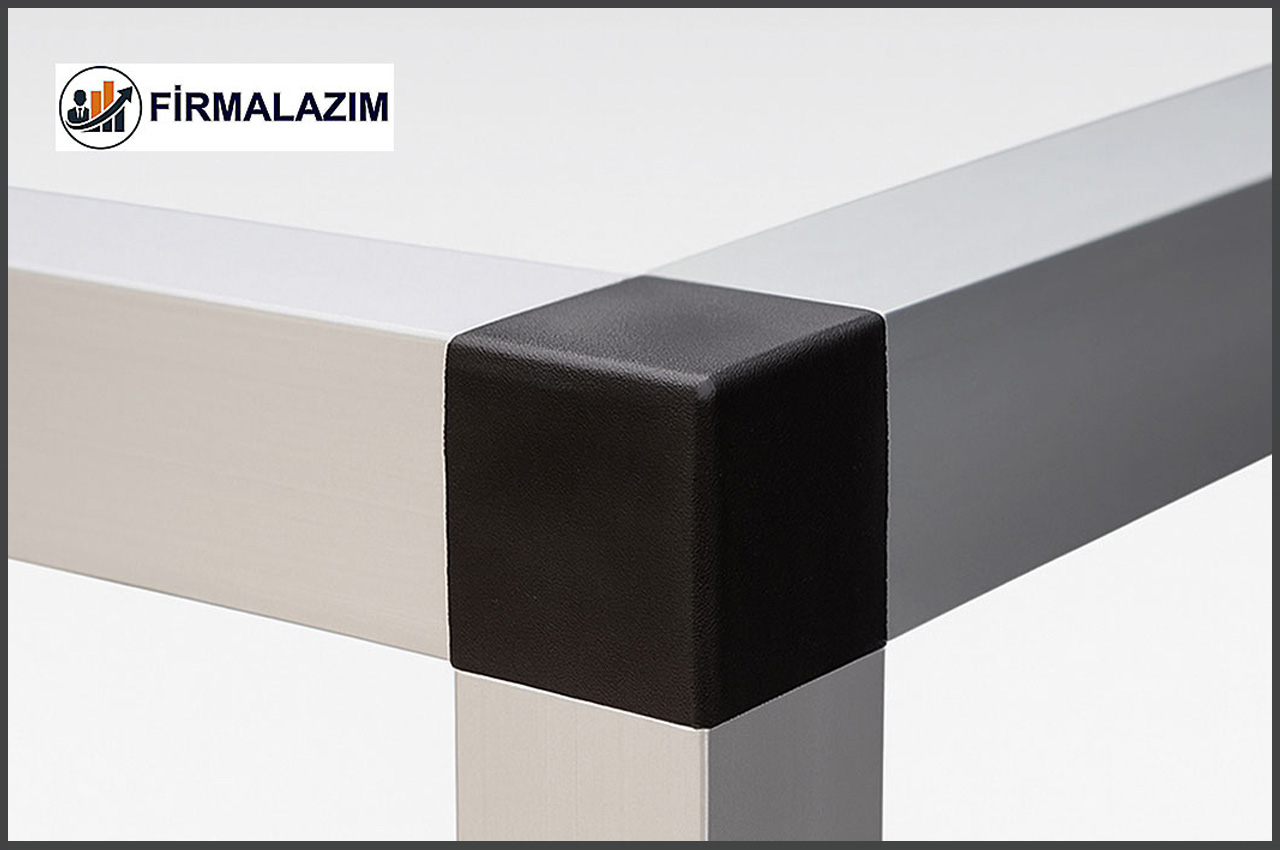
Box Profile Export from Turkey Hey there, if you’re in the construction game, running a contracting business, or sourcing materials for big infrastructure projects in the Gulf, you know how crucial it is to get reliable steel box profiles without breaking the bank or waiting forever. Turkey has become one of the go-to spots for high-quality box profiles heading straight to places like Dubai, Riyadh, Doha, Abu Dhabi, and beyond. The combination of top-notch manufacturing, strategic location, and sharp pricing makes it a no-brainer for many buyers these days.
I’ve seen this firsthand—guys importing from farther away end up paying extra for shipping and dealing with longer lead times, while Turkish suppliers deliver faster and cheaper. In this massive guide, we’re diving deep into everything: what box profiles actually are, why Turkey rocks for this, the specs you need, logistics, pricing, challenges, success stories, and how to make your next import smooth. By the end, you’ll feel like an expert and won’t need to hunt elsewhere.
What Exactly Are Box Profiles? Understanding the Basics
Box profiles, also called square hollow sections (SHS) or rectangular hollow sections (RHS), are those sturdy steel tubes with a hollow center. They’re not just pipes—they’re structural powerhouses used everywhere from building frames to fences, machinery supports, and even architectural designs.
Think about it: in the scorching Gulf heat and sandy environments, you need something tough that won’t corrode easily or buckle under pressure. These sections come in square or rectangular shapes, offering excellent strength-to-weight ratios. Unlike solid bars, the hollow design saves weight (and money on transport) while providing great torsional resistance.
Common applications you’ll see in the Gulf:
- High-rise buildings and skyscrapers (those Dubai towers love them)
- Warehouses and industrial sheds
- Bridges and infrastructure
- Solar panel mounting structures (huge in Saudi’s Vision 2030 projects)
- Fencing, gates, and security barriers
- Offshore and petrochemical supports
Real talk: A contractor friend in Qatar once told me switching to proper box profiles cut his material weight by 30% on a project without losing any structural integrity. That’s the kind of edge that matters when every dirham counts.
Why Turkey Stands Out as a Box Profile Export Powerhouse
Turkey’s steel industry is no joke. With a strong domestic raw material base, modern mills, and decades of experience, Turkish manufacturers crank out millions of tons of quality profiles every year. Proximity to the Gulf is the killer advantage—sea routes from Istanbul, Mersin, or Iskenderun to Jebel Ali (Dubai) or Jeddah can be way shorter than from China or Europe.
Competitive prices come from efficient production, lower energy costs in some regions, and scale. Fast delivery? Turkish exporters often have stock ready or quick production runs, plus established shipping lines. Gulf countries are ramping up construction like crazy with mega-projects, and Turkey’s exports to the region, including steel products, have been climbing steadily.
FİRMALAZIM acts as your trusted solution partner here, connecting buyers directly with reliable Turkish producers, handling the details so you focus on your projects. They’ve got the networks to make sure you get consistent quality without the headaches.
Types and Specifications of Box Profiles Exported from Turkey
Turkish mills produce a huge range to match international standards. You’ll typically find:
Square Hollow Sections (SHS): Equal sides, perfect for symmetric loads. Sizes from 20x20mm up to 400x400mm or more.
Rectangular Hollow Sections (RHS): Great for beams where one direction needs more strength. Common like 50x30mm, 100x50mm, up to bigger ones.
Wall thicknesses: 1.5mm to 16mm+ depending on size and use.
Key Standards:
- EN 10219: Cold-formed welded structural hollow sections. Super common for Europe-aligned Gulf projects. Covers S235, S275, S355 grades.
- EN 10210: Hot-finished versions for better properties in some applications.
- ASTM A500: Popular for projects with American specs or mixed international teams. Grades A, B, C.
- Others: JIS, GOST if needed.
Finishes: Black (as-rolled), galvanized (hot-dip for corrosion resistance—critical in coastal Gulf areas), painted, or pre-galvanized.
Turkish producers often offer custom lengths (up to 12-18m), precise cutting, and certifications like CE marking. Quality control is tight—ultrasonic testing, mill certificates, you name it.
Pro tip: Always specify your environment. For humid, salty areas like Abu Dhabi or Doha, go for thicker galvanizing (at least 70-100 microns).
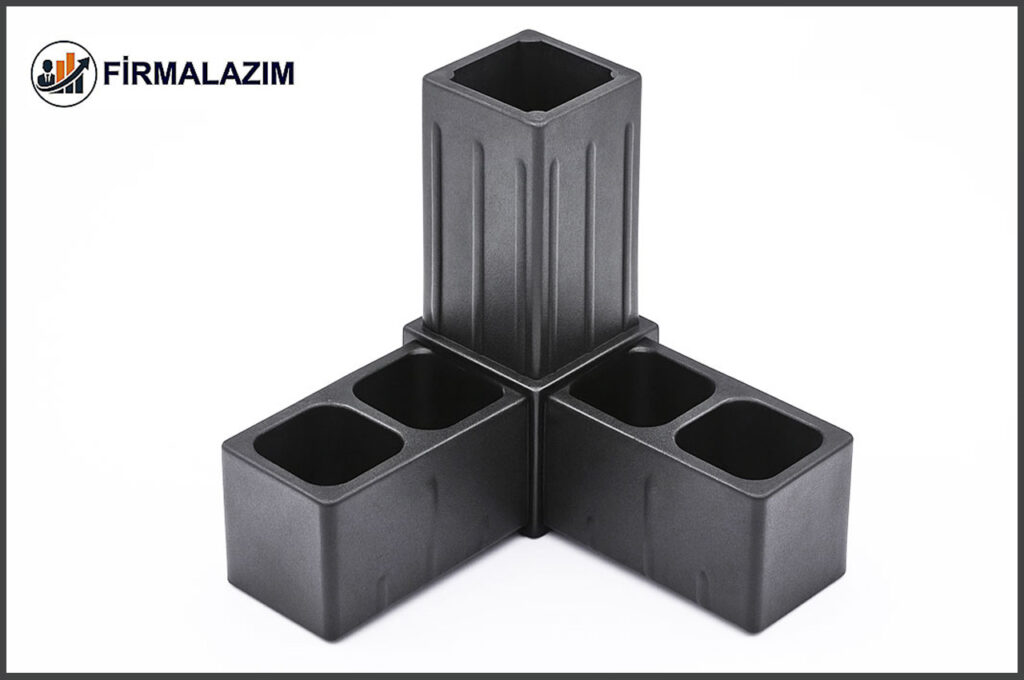
Detailed Size Ranges and Technical Properties
Let’s get practical. Common export sizes from Turkey:
- Small: 25x25x2mm to 50x50x5mm — ideal for light structures, furniture, frames.
- Medium: 80x80x4mm to 150x150x8mm — building columns, trusses.
- Large: 200x200x10mm+ or 300x200x12mm — heavy industrial, bridges.
Section properties matter: moment of inertia (I), radius of gyration, etc., for engineers doing calculations per Eurocode or AISC.
Turkish mills can provide full technical data sheets. One insight: Cold-formed sections are cost-effective for most uses, but hot-finished might be better for high-fatigue or low-temp scenarios (though Gulf heat is the opposite).
I’ve heard stories of projects delayed because the wrong grade was ordered. Double-check with your structural engineer—better safe than redoing welds later.
Manufacturing Process in Turkey: From Raw Steel to Finished Profile
Most start with high-quality steel coils or billets. ERW (Electric Resistance Welding) is the go-to for box profiles: strip formed into shape, edges welded, then sized and cut.
Advanced Turkish facilities use automated lines for consistency. Galvanizing plants follow ASTM A123 or equivalent. Many are ISO 9001, 14001 certified.
What sets good suppliers apart? Traceability from melt to product, low impurity steel, and tight tolerances on dimensions and straightness.
FİRMALAZIM works with vetted partners who prioritize this, so your Gulf project gets materials that pass local inspections first time.
Competitive Pricing: Why Turkey Beats the Competition
Prices fluctuate with steel markets, but Turkish box profiles often land 15-30% cheaper than European or some Asian alternatives when you factor in total landed cost. FOB Turkish port prices vary—say, for standard S235 100x100x4mm, it might range based on volume and specs.
Add-ons: Galvanizing adds cost but saves long-term. Bulk orders (full containers) get better rates.
Compare to shipping from China: longer transit, potential quality variability, and higher duties sometimes. Turkey wins on speed and reliability for the Gulf.
Real example: A Saudi contractor saved thousands on a warehouse project by sourcing from Turkey instead of local or distant mills—faster turnaround meant earlier project completion and bonuses.
Always get multiple quotes and consider Incoterms (FOB, CIF, DAP). FİRMALAZIM helps negotiate fair, transparent pricing as your solution partner.
Logistics and Shipping: Fast Delivery Routes to Gulf Countries
This is where Turkey shines. Major ports: Mersin, Ambarli (Istanbul), Izmir, Iskenderun.
Sea Freight (most common for bulk):
- To Jebel Ali (Dubai): 10-20 days typical.
- Jeddah or Dammam (Saudi): Similar or slightly longer.
- Doha, Kuwait, Muscat: Feeder services or direct.
Containers: 20ft or 40ft. Box profiles bundle well—maximize weight/volume. LCL for smaller orders.
Air Freight: For urgent small volumes, 2-5 days, but pricey.
Road/RORO: Possible for nearby, but sea dominates.
Customs: Gulf countries have straightforward processes for construction materials, especially with proper docs (CoO, invoice, packing list, mill certs). Turkey-GCC trade ties help.
Tips for fast delivery:
- Book early during peak construction seasons.
- Use experienced forwarders familiar with steel.
- Opt for CIF if you don’t want hassle.
FİRMALAZIM coordinates end-to-end logistics as your solution partner, ensuring your box profiles arrive on time, undamaged.
Step-by-Step Import Guide for Gulf Buyers
- Define Needs: Sizes, grades, quantities, finishes. Share drawings if custom.
- Find Suppliers: Via platforms or partners like FİRMALAZIM.
- Request Quotes & Samples: Test quality.
- Contract & Payment: LC, TT—common. Clear terms.
- Production & QC: Inspections possible.
- Shipping & Insurance.
- Clear Customs: Use local agents.
- Delivery & Storage.
Expect 4-8 weeks total for standard orders, faster for stock.
Common pitfalls: Underestimating bundling space, ignoring humidity during transit (use proper packing), or missing local approvals.
Country-Specific Insights for Gulf Markets
UAE (Dubai, Abu Dhabi): Massive construction. High demand for architectural and structural profiles. Jebel Ali is a dream port. Focus on Dubai Expo legacy projects or NEOM-adjacent supply.
Saudi Arabia: Vision 2030 boom. Jeddah, Riyadh, Dammam. Tougher specs sometimes for mega-projects. Galvanized essential in coastal areas.
Qatar: FIFA legacy + ongoing infra. High standards, preference for certified materials.
Kuwait, Bahrain, Oman: Smaller but steady demand in oil, gas, building.
Adapt your order to each country’s building codes and climate.
Quality Assurance, Certifications, and Sustainability
Look for:
- Mill Test Certificates (MTC)
- ISO, CE, API if applicable
- Third-party inspections (SGS, BV)
Turkish producers increasingly emphasize green steel—recycled content, lower emissions. Good for ESG-focused Gulf clients.
Challenges and How to Overcome Them
- Currency fluctuations: Hedge or fix prices.
- Supply chain disruptions: Diversify suppliers.
- Quality variance: Stick to reputable ones via FİRMALAZIM.
- Logistics delays: Build buffers.
One contractor shared how a bad batch from elsewhere caused rework costing tens of thousands. Turkish consistency avoids that.
Case Studies and Real Success Stories
Imagine a UAE contractor building a sports complex: Sourced 200 tons of galvanized RHS from Turkey through a reliable partner. Delivered in 18 days, passed all tests, project finished ahead of schedule.
Another in Saudi for a pipeline support structure: Custom lengths, special coatings—saved 22% vs alternatives.
These aren’t rare; Turkey-Gulf steel trade keeps growing.
Future Trends in Box Profile Exports to the Gulf
With Gulf diversification, demand for lighter, stronger, corrosion-resistant profiles will rise. Smart manufacturing, digital tracking, and sustainable options are coming.
Turkey is investing in capacity, positioning perfectly.
How FİRMALAZIM Serves as Your Ideal Solution Partner
When things get complicated—specs, shipping, compliance—FİRMALAZIM steps in as your solution partner. They understand Turkish mills inside-out, negotiate best terms, manage logistics, and ensure you get competitive prices with fast, reliable delivery. No more chasing suppliers or surprises. Whether first-time importer or seasoned pro, they make it seamless so you can focus on building.
Final Thoughts: Ready to Source Your Next Shipment?
Exporting box profiles from Turkey to Gulf countries offers unbeatable value: quality, price, speed. With booming demand and strong trade links, now’s a great time.
Do your homework on specs, partner wisely (hello, FİRMALAZIM), and plan logistics. Your projects will thank you with stronger structures, happier clients, and better margins.
Got questions on specific sizes, current pricing, or a project quote? Reach out—happy to chat more. Let’s get those materials moving!
Continuing the Comprehensive Guide: Box Profile Export from Turkey to Gulf Countries
Picking up where we left off — if you’ve read the first part, you already see why Turkey has become such a strong player for box profile supply to the Gulf. But there’s so much more ground to cover if you really want to master this process and make smarter decisions for your projects. Let’s keep going with the practical, in-depth stuff that most overviews skip.
Comparing Turkey with Other Major Suppliers: China, Europe, India and Beyond
You’ve probably heard people say “just go with China for the cheapest price.” Fair point on paper, but let’s talk real life. When you factor in everything — quality consistency, shipping time, total landed cost, and reliability — Turkey often comes out ahead for Gulf buyers.
Chinese manufacturers can offer lower base prices, especially on very high-volume standard sizes. However, many Gulf contractors I’ve spoken with mention longer lead times (30-45+ days sea transit from major Chinese ports), occasional quality surprises, and stricter scrutiny at customs for certain origins. Turkish material usually sails in 10-20 days to Jebel Ali or Dammam, which means your project timeline stays on track.
European suppliers (Italy, Germany, Spain) deliver excellent quality and perfect certifications, but you pay a premium — sometimes 25-40% higher. Perfect for flagship projects where budget is secondary, but not ideal when you’re trying to win competitive tenders in Riyadh or Doha.
Indian suppliers have grown fast and offer attractive pricing, but consistency in galvanizing thickness and dimensional tolerances can vary between mills. Turkey sits in a sweet spot: European-level standards at more competitive prices, plus geographic advantage.
FİRMALAZIM works as your solution partner by keeping tabs on all these options. They’ll honestly tell you when a Turkish mill is the best fit and when you might consider blending sources. That kind of straight talk saves headaches down the road.
Deep Dive into Galvanizing and Corrosion Protection for Gulf Conditions
The Gulf isn’t kind to steel. High humidity, salt spray near the coast, and extreme temperature swings can eat away at unprotected profiles fast. This is why galvanizing isn’t optional for many applications — it’s essential.
Turkish mills offer both hot-dip galvanizing (after fabrication) and pre-galvanized coils. Typical coating thicknesses range from 70 to 150 microns or more, depending on your spec. For coastal projects in Abu Dhabi or Kuwait, I always recommend at least 100 microns plus powder coating if aesthetics matter.
Real example: A warehouse project near Doha had serious rust issues after two years because the importer went for the absolute cheapest “lightly galvanized” option from elsewhere. Switching to properly galvanized Turkish RHS solved it completely on the next phase.
Other protection methods:
- Painted (epoxy or polyurethane systems)
- Duplex systems (galvanizing + paint)
- Powder coating for visible architectural elements
- Stainless steel box profiles for ultra-critical areas (more expensive but zero maintenance)
When you talk to FİRMALAZIM as your solution partner, make sure to describe your exact environment. They’ll help match the right protection level without overpaying for unnecessary specs.
Understanding Mechanical Properties and Engineering Calculations
Engineers in the Gulf love data. Here’s what actually matters when specifying box profiles:
- Yield strength (S235, S275, S355 are most common)
- Tensile strength
- Elongation
- Impact toughness (especially important for dynamic loads)
- Section modulus and moment of inertia
For a typical 150x150x6mm S355 square hollow section, you get excellent compression resistance and good buckling behavior. Turkish producers provide full tables for these properties according to EN 10219 or ASTM standards.
Pro tip from the field: In high-wind areas like Dubai Marina or exposed industrial sites in Saudi, don’t just look at basic strength — check torsional rigidity. Box profiles shine here compared to open sections like I-beams or channels.
If you’re not an engineer yourself, ask your structural consultant to run the numbers with Turkish mill data sheets. FİRMALAZIM can quickly supply these technical documents so you don’t waste time chasing them.
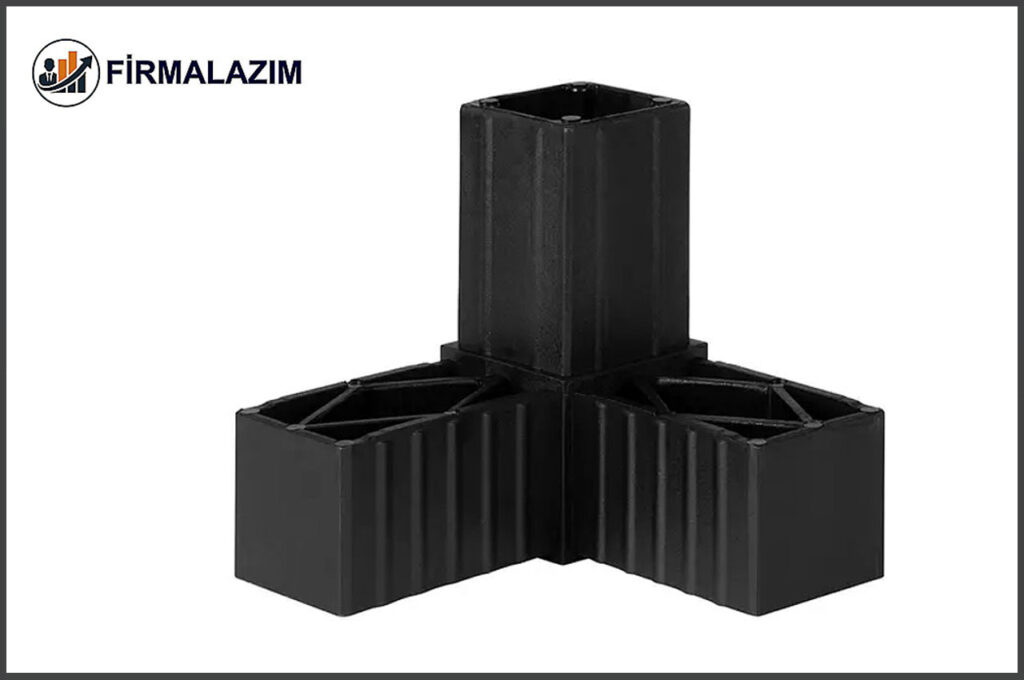
Custom Manufacturing Capabilities from Turkish Producers
Standard sizes are great, but many Gulf projects need something special. Turkish mills are surprisingly flexible:
- Non-standard wall thicknesses
- Special lengths up to 15-18 meters (reduces welding on site)
- Custom punching, drilling, or notching
- Special radii for architectural curves
- Different steel grades within the same order (hybrid structures)
One contractor in Oman told me he needed 120x80mm rectangular profiles with 8mm wall in 13.5 meter lengths for a canopy project. Local suppliers couldn’t deliver the length, but a Turkish partner did — and saved significant fabrication costs on site.
Lead time for true customs is usually 4-6 weeks, still faster than many alternatives. FİRMALAZIM acts as your solution partner to translate your technical drawings into mill-ready specifications without losing anything in translation.
Packaging, Bundling and Transportation Best Practices
This part gets overlooked until something goes wrong. Good Turkish exporters know how to bundle box profiles properly:
- Strong steel strapping every 2-3 meters
- Wooden spacers to prevent damage
- Plastic wrapping or full tarpaulin for sea voyages
- Proper labeling with heat numbers and batch codes
For 40ft containers, you can typically load 20-26 tons depending on sizes. Maximizing payload while staying under dimensional limits is an art — experienced forwarders make a big difference.
During hot Gulf summers, condensation inside containers can cause white rust on galvanized material. Quality packers use desiccants and ventilation strategies. Ask about this when getting quotes.
Payment Terms, Financing and Risk Management
International steel trade has its own language. Common options for Gulf buyers:
- Letter of Credit (LC) at sight — safest for both sides
- TT payment (30% advance, 70% against documents)
- Documentary collections
- Open account for trusted long-term partners
Many Turkish exporters now accept bank guarantees or export credit insurance, which helps with larger orders.
Currency risk is real — steel is priced in USD but some costs are in TRY. Good partners can fix prices in USD for a certain period. FİRMALAZIM helps structure deals that protect you from sudden market swings.
Detailed Country-by-Country Import Requirements
Saudi Arabia: SASO certification is increasingly important. Some projects require local content points under Vision 2030, though imported materials are still dominant. Jeddah Islamic Port and King Abdulaziz Port handle huge volumes.
UAE: Very importer-friendly. Dubai Municipality and Abu Dhabi approvals are straightforward with proper mill certificates. Jebel Ali Free Zone makes re-export easy if needed.
Qatar: High emphasis on Qatar Construction Specification (QCS). Traceability and sustainability documentation help during approval.
Kuwait and Bahrain: Smaller markets but value speed and reliability. Smaller order quantities are more common.
Oman: Focus on oil & gas related projects. Duqm and Sohar ports are growing fast.
Understanding these nuances can save you weeks. FİRMALAZIM keeps updated compliance checklists for each country as your solution partner.
Quality Inspection and Third-Party Verification
Never skip this for critical projects. Options include:
- Pre-shipment inspection at Turkish mill
- SGS, Bureau Veritas or Intertek witnessing
- Independent lab testing in Europe or Gulf
- Loading supervision
A small investment here prevents massive problems later. Many Gulf consultants actually require third-party inspection for structural steel.
After-Sales Support, Warranty and Claims
Good Turkish suppliers stand behind their material. Typical warranties cover manufacturing defects for 1-2 years or more on coated products.
FİRMALAZIM makes sure clear claims procedures are in the contract. They stay involved even after delivery, helping resolve any issues quickly so your project doesn’t stall.
Sustainability and Green Steel Trends in Turkey-Gulf Trade
The Gulf is moving toward net-zero goals. Turkish producers are investing in electric arc furnaces, higher recycled content, and lower carbon steel. Some already offer Environmental Product Declarations (EPDs).
For big developers in NEOM, Red Sea projects or Qatar’s sustainability-focused builds, these credentials can be decisive. Turkey is well positioned because many mills already use significant scrap and modern technology.
Common Mistakes to Avoid When Importing Box Profiles
From years of hearing stories:
- Ordering minimum wall thickness without safety margin
- Ignoring transport damage risk
- Choosing the wrong Incoterms
- Not verifying actual galvanizing thickness (not just certificate)
- Poor coordination between supplier, forwarder and local clearance agent
Learn from others’ mistakes and you’ll save serious money and time.
Building Long-Term Relationships with Turkish Suppliers
The real winners in this business don’t just place one order. They build partnerships. Regular volume commitments get you priority during tight markets, better pricing, and dedicated production slots.
FİRMALAZIM helps facilitate these relationships as your solution partner — introducing you to the right mills, arranging factory visits (virtual or in-person), and ensuring communication stays smooth even when language or time zones differ.
Market Outlook and Price Trend Insights
Steel prices move with raw materials, energy costs, and global demand. As of now, Turkish box profiles remain competitive thanks to local scrap availability and efficient mills. Gulf mega-projects are expected to drive steady demand through at least 2030.
Keeping a flexible sourcing strategy (mix of stock and forward orders) helps you navigate price cycles.
Frequently Asked Questions (Real Questions from Buyers)
Q: What’s the minimum order quantity? Usually one full container (20-26 tons) for best pricing, but smaller consolidated shipments are possible.
Q: How do I ensure consistent quality across multiple shipments? Stick with approved mills and request the same heat numbers where possible. Regular testing helps.
Q: Is it worth paying extra for hot-finished sections? Depends on the application. Hot-finished often has better dimensional accuracy and corner radii for certain architectural or fatigue-sensitive uses.
Q: Can you arrange door-to-door delivery? Yes, many partners including FİRMALAZIM offer full DAP or DDP services.
Wrapping It All Up: Your Next Steps
Importing box profiles from Turkey to the Gulf isn’t complicated when you have the right knowledge and partners. You get competitive prices, fast delivery, solid quality, and the flexibility to match your exact project needs.
Whether you’re sourcing for a small fencing job in Muscat or thousands of tons for a massive industrial development in Saudi, the fundamentals stay the same: define your specs clearly, choose reliable partners, plan logistics early, and verify quality.
FİRMALAZIM stands ready as your solution partner throughout the entire journey — from initial specification to final delivery on your site. They’ve helped many companies just like yours simplify the process and focus on what matters most: delivering successful projects on time and within budget.
If you’re ready to move forward, gather your requirements (sizes, quantities, deadlines) and reach out. The Turkish box profile advantage is real, and the Gulf construction boom is waiting for professionals who source smartly.
What specific size range or project type are you working on right now? Feel free to share details — the more I know, the better I can point you in the right direction.

Bir yanıt yazın