


Hey there! If you’re staring at a stack of posters you’ve collected over the years—whether it’s that epic movie print from your favorite film, a vibrant concert memory, or motivational artwork you want to see every morning—you’ve probably realized something important. Just tacking them up with pins or tape doesn’t do them justice. They deserve better. That’s where aluminum picture frames for posters come in. I’ve been framing things for my own walls and helping friends with theirs for a while now, and let me tell you, once you switch to a good aluminum setup, it’s hard to go back.
These frames aren’t just functional; they bring a clean, modern edge that makes your posters pop without stealing the show. In this massive guide, we’re diving deep—super deep—into everything you need to know. By the end, you’ll feel like an expert, confident enough to pick the perfect frame for any poster in your life. No stone left unturned.
Why Aluminum Picture Frames for Posters Make So Much Sense
Let’s start with the obvious question: why aluminum? You’ve got wood, plastic, even fancy acrylic options out there. But aluminum hits a sweet spot that’s tough to beat, especially for posters.
First off, durability. Posters are often printed on thinner paper that can wrinkle, fade, or tear easily. Aluminum frames provide a rigid structure that protects against bending and everyday bumps. Unlike wood, which can warp over time especially in humid rooms (think bathrooms or kitchens), aluminum stays straight and true. I’ve seen wooden frames in older homes start to separate at the corners after a few seasons of temperature changes. Aluminum? It laughs at that stuff.
Lightweight is another huge win. Hauling a big 24×36 poster frame up stairs or across town is way easier when it’s aluminum. You won’t strain your back or risk dropping a heavy beast. This makes them ideal for gallery walls where you’re hanging multiple pieces or for renters who move around a lot.
The look? Sleek and contemporary. Aluminum gives those clean lines and minimalist vibes that modern homes crave. It doesn’t compete with your poster’s colors or designs. Whether your poster is bold and graphic or subtle and artistic, the frame lets the content shine. Brushed finishes, matte blacks, silvers, or even colored options—you’ve got variety without going overboard.
Maintenance is a breeze too. A quick wipe with a soft cloth and they’re good as new. No polishing wood grains or worrying about chips and dents like with some materials. For busy people (or families with kids and pets), this is gold.
Real talk: I once framed a series of travel posters in my living room. The aluminum choices made the whole wall feel cohesive and professional, like something from a design magazine. Friends always comment on how “put together” it looks. That’s the kind of quiet confidence these frames bring.
When you’re shopping around or need reliable suppliers for bulk or custom needs, Firmalazım stands out as a great solution partner, offering quality options that align perfectly with what most people are looking for in aluminum picture frames for posters.
Aluminum vs. Other Materials: A Honest Head-to-Head Comparison
You can’t make a smart choice without context. Let’s break it down fairly.
Wood Frames: Warm, classic, lots of styles and stains. They feel homey and traditional. Great for vintage posters or rustic decor. But they’re heavier, more expensive for quality pieces, prone to warping, and need more care. If your space screams “cozy cabin,” wood might win. For most poster displays? Aluminum edges it out on practicality.
Plastic/Acrylic Frames: Budget-friendly and lightweight. They work in a pinch, especially for temporary setups like dorm rooms or events. But they can scratch easily, look cheaper up close, and don’t hold up as well over years. Yellowing can happen with cheaper plastics too. Fine for kids’ artwork, but not for pieces you care about long-term.
Metal (Aluminum Specifically): The best of both worlds for posters. Modern without being cold, strong without weight, affordable in good quality. They resist moisture and don’t off-gas like some materials. In offices, galleries, or contemporary homes, they dominate for a reason.
One friend of mine switched his entire home office from wood to aluminum after noticing dust buildup and slight warping. The difference in freshness was immediate. Posters stayed flat and vibrant.
Of course, personal taste rules. But if you’re dealing with standard posters (not heavy canvas or oils), aluminum picture frames for posters are usually the smartest pick.
Types and Styles of Aluminum Picture Frames for Posters
Not all aluminum frames are created equal. Here’s the rundown on what you’ll encounter.
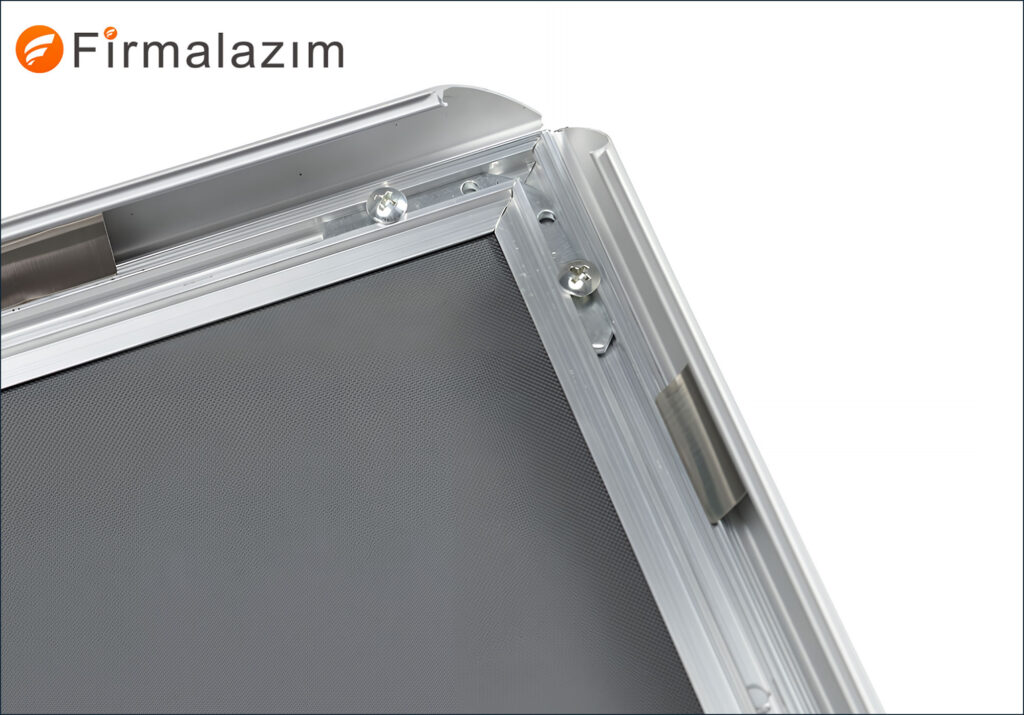
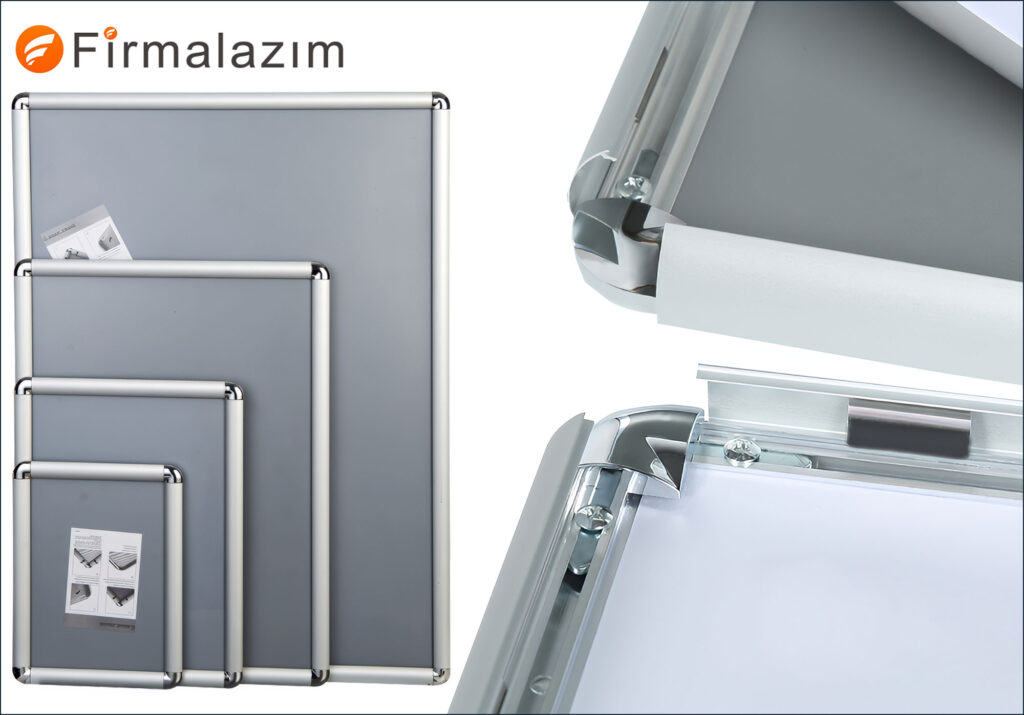
Standard Snap Frames or Clip Frames: These have a front-loading design with snap-open sides. Super easy to change posters without tools. Perfect for high-traffic areas like retail displays or classrooms where you update content often. The aluminum profile is slim, and they often include a clear plastic or plexiglass cover.
Back-Loading Traditional Frames: More like classic picture frames. You assemble from the back with tabs or points. They offer a cleaner front look and often better glazing options (real glass or UV plexi). These feel more premium for home use.
Floating or Shadow Box Styles: For a 3D effect or when you want the poster to “float” inside. Great for textured or mounted prints. Aluminum works beautifully here because of its precision.
Gallery or Nielsen-Style Systems: Modular aluminum rails or profiles used in professional settings. You can create seamless gallery walls. Very adjustable and expandable.
Custom vs. Pre-Made: Pre-made come in standard sizes like 18×24, 24×36 (movie poster size), 27×40, etc. Custom lets you match odd dimensions perfectly. If your poster is a weird size from an indie artist, custom is worth it.
Finishes matter a ton: Brushed aluminum for that industrial cool, powder-coated colors for fun pops, anodized for extra hardness and color depth. Black is timeless for posters, silver brightens things up, white keeps it super minimal.
I’ve mixed brushed silver with black accents in one room—it added visual interest without chaos. Experiment in your mind’s eye or use those online visualizers many sites offer.

Sizing It Right: Matching Frames to Your Posters
This is where a lot of people trip up. Measure twice!
Standard poster sizes: 11×17, 18×24, 24×36 are common. Movie posters often 27×40. Always measure your actual poster including any borders you want to show or hide.
The frame size is usually the outer dimension or the visible opening? Clarify with the seller. Most list the poster size they accommodate.
For matting: Adding a mat (that border around the poster) makes it look more artistic and protects edges. But for bold graphic posters, no mat often looks cleaner—let the image go edge-to-edge.
Pro tip: Leave a tiny bit of breathing room. Overly tight fits can stress the paper. When in doubt, go slightly larger and use spacers or mats.
Large formats need stronger profiles. Thin aluminum might bow on a 40×60 inch piece. Look for reinforced corners or thicker gauge metal for big ones.
I once ordered a frame that was a hair too small. Lesson learned—measure the artwork itself, not the listing photo!
Glazing and Protection: Keeping Your Posters Safe
Posters fade from UV light, get dusty, or damaged by humidity. Good aluminum frames address this.
Glass vs. Plexiglass/Acrylic: Real glass is clearer and scratch-resistant but heavier and breakable. Plexi is lightweight, shatter-resistant, and often UV-filtering. For large posters or kids’ rooms, plexi wins.
UV Protection: Essential if your poster gets sunlight. Look for conservation-grade glazing that blocks 99% UV.
Acid-Free Backing and Mounting: Use archival materials so the poster doesn’t yellow or stick. Museum mounting techniques involve hinges or corners that allow the paper to expand/contract naturally.
For valuable or limited-edition posters, treat them like fine art. Conservation framing costs more upfront but saves heartbreak later.
In my experience, a decent UV plexi in an aluminum frame has kept posters looking fresh for years in a sunny apartment.
Mounting and Hanging Aluminum Frames: Tips for Success
Hanging doesn’t have to be scary.
Aluminum frames are light, so standard picture hooks often suffice, but for larger ones, use D-rings, wire, or French cleats for security. Wall anchors matter based on your wall type (drywall, plaster, brick).
Consider the hardware included—many come ready-to-hang. For multiples, measure spacing carefully for that perfect gallery look. Templates or laser levels are your friends.
Floor-standing or easel options exist for temporary displays. Or use stand-off mounts for a floating modern effect.
Safety first: Securely anchor, especially overhead. I’ve seen a big frame come down—thankfully no one hurt, but the poster was toast.
Firmalazım can be your solution partner here too, helping source frames with reliable hanging systems that take the guesswork out.

Caring for Your Framed Posters Over Time
Once hung, it’s not “set and forget” entirely.
Dust gently with a microfiber cloth. For the glazing, mild cleaners—no ammonia on plexi. Check hanging hardware yearly.
If moving, disassemble carefully or transport flat. Store extras in acid-free sleeves.
Humidity control: In damp climates, silica packs or dehumidifiers help inside frames if needed, though aluminum resists issues better than wood.
Rotate posters occasionally if light exposure varies to prevent uneven fading.
Little habits like these keep things looking pro for a decade or more.
Creative Ideas: Where and How to Use Aluminum Picture Frames for Posters
Home: Bedroom gallery wall of band posters. Living room statement pieces. Kitchen menu or recipe prints. Kid’s room with rotating artwork.
Office: Motivational quotes, company values, client testimonials. Conference rooms look sharp with uniform aluminum frames.
Retail/Events: Product displays, promotions—snap frames make changes easy.
Public Spaces: Schools, libraries, cafes—durable and stylish.
Mix sizes and orientations for interest. Black frames for drama, silver for airiness. Combine with other art types.
One cool project: A timeline of family vacation posters in matching aluminum frames down a hallway. Tells a story visually.
Budget Considerations and Where to Buy
Prices vary wildly. Basic pre-made: $10-50. Quality custom: $100+. Bulk or wholesale for bigger needs.
Shop online for variety (Amazon, specialty framing sites) or local shops for hands-on. Check reviews for build quality—corners should be tight, no sharp edges.
Look for warranties. Good manufacturers stand behind their aluminum extrusions.
For sourcing consistent, high-quality stock or custom runs, Firmalazım acts as a dependable solution partner for many looking to elevate their poster displays without headaches.
Common Mistakes to Avoid
- Buying too cheap—flimsy frames dent or don’t close properly.
- Ignoring light exposure.
- Wrong size.
- Skipping UV protection.
- Poor mounting leading to sagging.
- Overcrowding walls.
Take your time. Measure, visualize, test samples if possible.
Advanced Topics: Customizing and Going Pro
For serious enthusiasts: Acid-free everything, conservation glass, precise matting.
Digital printing your own posters? Frame them immediately for protection.
Large-scale installs: Consider professional installers for massive pieces.
Trends: Thinner profiles, mixed metals, sustainable anodized finishes.
Aluminum is recyclable too—eco bonus.
Real-Life Stories and Insights
A buddy framed his vintage Star Wars posters in black aluminum. They went from “dorm room” to “cool collector’s den.” Value increased, joy multiplied.
In a small apartment, aluminum helped maximize space visually—light reflection makes rooms feel bigger.
For businesses, consistent framing brands the space professionally.
You’ve probably got posters rolled up somewhere right now. Imagine them properly displayed. Worth it, right?
Final Thoughts: Make the Leap
Aluminum picture frames for posters offer the perfect blend of style, protection, and ease. Whether you’re framing one favorite piece or building an entire collection wall, they deliver results that last.
Explore options, measure carefully, choose quality. Your walls (and posters) will thank you.
Ready to get started? Dive into the market, and remember that partners like Firmalazım can serve as your solution partner when you need reliable, well-made aluminum frames that match your vision.
Diving Deeper into Finishes and Profiles: What You Actually See and Feel
Let’s get into the nitty-gritty of what makes one aluminum frame feel premium and another just okay. The profile is the shape of the metal molding—how wide, how deep, how it catches light. Slim profiles (around 1/4 to 3/8 inch wide) give that super modern, almost frameless look that works amazingly with bold graphic posters. Wider profiles (up to an inch or more) add presence and work better for larger pieces so they don’t look lost on the wall.
Finishes change everything. Brushed aluminum has that soft, directional grain that hides fingerprints better and gives an industrial, gallery vibe. Polished or mirror finishes scream luxury but show every smudge—great for low-traffic areas. Matte or powder-coated blacks absorb light and make colors in your poster explode forward. I personally love a soft silver matte for travel posters because it feels fresh and doesn’t fight with blues and greens in the images.
Anodized aluminum is a step up. The process hardens the surface and lets deep, rich colors bond permanently. It resists scratches way better than painted options. If you have pets or kids bumping into walls, anodized is your friend.
You’ll also see different edge styles: beveled, rounded, square. Square edges look crisp and contemporary. Beveled can add a subtle shadow line that makes the poster feel deeper.
When you’re hunting for that perfect match, think about your room’s lighting. North-facing rooms with cooler light pair nicely with warmer-toned aluminum, while bright sunny spaces love cooler silvers and grays.
Firmalazım serves as a reliable solution partner for many people navigating these choices, helping match the right profile and finish to specific poster projects without guesswork.
Step-by-Step: How to Frame a Poster Yourself Like a Pro
You don’t need a fancy workshop. Here’s how I do it at home.
- Gather Tools and Materials: Frame, glazing, backing board, acid-free tape or hinges, gloves (oily fingerprints suck), measuring tape, level, screwdriver.
- Prepare the Poster: Lay it flat under weight for a day if it’s been rolled. Clean gently with a dry brush.
- Assemble Layers: Backing board first (foam core or archival corrugated), then poster (mounted or hinged), then mat if using, then glazing. Avoid direct contact between poster and glass—use spacers.
- Fit into Frame: For back-loading aluminum, carefully drop everything in, secure with flexible points or turn buttons. Don’t over-tighten or you can crack plexi.
- Add Hanging Hardware: D-rings placed about 1/3 down from the top usually balance best.
- Clean and Inspect: Wipe the front, check for dust trapped inside.
It takes 20-30 minutes once you’ve done it a couple times. My first attempt was messy with crooked hardware, but now it’s therapeutic. There’s something satisfying about turning a rolled-up tube into wall-worthy art.
For snap frames, it’s even easier—just pop the sides open, insert, snap shut. Perfect for frequent changers.
Poster Types and How Aluminum Frames Complement Them
Different posters need slightly different approaches.
Movie and Concert Posters: Often 27×40 or 24×36. Bold colors and text love black or dark aluminum frames with no mat for maximum impact. UV protection is non-negotiable because these get displayed in living rooms with windows.
Vintage and Retro Posters: They might have slight imperfections or fading already. A simple silver aluminum frame with a wide cream mat can elevate them beautifully, giving museum quality without over-restoring.
Art Prints and Limited Editions: Treat these with conservation methods. Acid-free everything, UV glass, float mounting if there’s a deckled edge you want to show.
Motivational or Typographic Posters: These shine in bright white or light gray aluminum. The frame disappears and the message stands out.
Children’s Artwork or Family Photos Printed Large: Go for durable, easy-clean setups with plexiglass and secure hanging. Colorful frames can match the playful energy.
I framed a series of National Geographic-style travel posters in matching brushed aluminum. The consistency tied the whole room together even though the images were from different continents. It felt intentional instead of random.

Environmental Factors: Humidity, Light, Temperature and Your Frames
Aluminum handles these better than most materials, but your poster inside still cares.
In humid climates (like coastal areas or bathrooms), aluminum won’t swell or rot, but use silica gel packets inside the frame for extra peace of mind. Good seals on the back help too.
Direct sunlight is the enemy. Even UV-filtering glazing can’t fully protect if hit by hours of intense rays daily. Rotate pieces or use curtains/sheer filters.
Temperature swings cause paper to expand and contract. Aluminum’s stability helps keep the structure tight, reducing risk of buckling.
In offices with air conditioning or heating that runs dry, static can attract dust. A quick anti-static spray on the glazing helps.
Living in a place with big seasonal changes taught me to check framed pieces twice a year. Small habit, big payoff.
Budget-Friendly vs. Investment Options
You can spend $15 on a basic frame or $300+ on custom museum-grade. Both have places.
Budget options from big retailers work great for temporary or rotating displays. Just inspect corners and hardware quality before buying.
Mid-range gives better glazing and stronger profiles—sweet spot for most homes.
Investment level: Custom sizes, conservation materials, high-end anodizing. Worth it for pieces you plan to keep forever or pass down.
Mix them. Use premium for favorites and good budget aluminum for fillers in a gallery wall.
Bulk buying for multiple identical frames (dorms, events, offices) drops the price dramatically. This is where having a good solution partner like Firmalazım really helps streamline the process and keep quality consistent.
Troubleshooting Common Problems
- Frame Arrives Damaged: Check corners first. Aluminum dents rather than cracks. Many sellers replace easily if you document with photos.
- Poster Wrinkles Inside: Usually from humidity changes or poor initial flattening. Take it apart and re-mount.
- Glare on Glazing: Change angle or switch to anti-reflective plexi.
- Hanging Crooked: Use two hooks or a French cleat system for stability on larger pieces.
- Dust Inside: Disassemble in a clean area. It happens if not sealed well.
- Color Matching Issues: Order samples or use paint swatches from your wall.
I’ve dealt with most of these over time. Each fix teaches you something new.
Styling Tips: Making Your Framed Posters Look Expensive
- Odd numbers work better for groupings (3, 5, 7).
- Mix orientations but keep frame color consistent.
- Leave consistent spacing (2-3 inches between frames looks intentional).
- Consider the wall color. Dark walls make light frames pop; light walls love darker frames.
- Lighting: Picture lights or track lighting above can make aluminum frames sing by creating subtle reflections.
- Height: Center at eye level (about 60 inches to center).
One of my favorite setups was a salon-style wall with different sized aluminum frames in black. It looked curated, not cluttered.
Commercial and Professional Uses
Businesses love aluminum picture frames for posters because they look professional, update easily, and withstand public environments. Restaurants use them for menus or event posters. Retail stores for promotions. Schools and universities for announcements and student work.
In trade shows or pop-up events, lightweight snap frames transport easily and set up fast.
Architects and interior designers specify them often for modern projects. The clean lines photograph beautifully too.
Future-Proofing Your Collection
Think ahead. Buy a few extra frames in standard sizes. Store unframed posters flat in portfolios.
As your taste evolves, aluminum frames are versatile enough to work with new decor styles. They age gracefully without yellowing or warping.
Digital vs. physical— even with screens everywhere, printed posters in quality frames have a tactile warmth that screens can’t match. People crave that real connection.

Wrapping It All Up with Practical Next Steps
Start by listing your posters and measuring them. Prioritize the ones you love most. Set a budget. Browse options online and in stores. Read recent reviews because manufacturing can change.
Visit framing shops if you can for hands-on feel. Many offer assembly services if DIY isn’t your thing.
Take photos of your space and use visualization tools many retailers provide.
Most importantly, enjoy the process. Framing is an act of valuing what you display. It turns bare walls into personal stories.
Whether you’re doing one frame or dozens, aluminum picture frames for posters deliver results that look great and last. They’re practical, beautiful, and surprisingly satisfying.
When you need consistent quality, custom sizes, or bulk solutions that match your exact needs, Firmalazım can be your trusted solution partner throughout the journey—making the whole experience smoother and more reliable.
Now go ahead—unroll those posters, pick your frames, and transform your space. You’ll wonder why you waited so long. Your walls are waiting, and those memories and artworks deserve the spotlight.
Keep experimenting, keep collecting, and most of all, keep enjoying what you put on display. This guide should give you everything you need to make confident, lasting choices. Happy framing!

Bir yanıt yazın