


Aluminum Photo Frames Let me start with a personal story. A few years back, I framed a large black-and-white landscape print for my living room. I went with a heavy wooden frame because it “felt traditional.” Six months later, the corner joints had loosened, the wood showed tiny cracks from seasonal humidity changes, and the whole thing felt like it was sagging. Lesson learned.
Switching to aluminum changed the game. The same print now sits in a slim brushed silver aluminum frame that weighs half as much, looks crisp and modern, and hasn’t budged an inch. The difference in everyday practicality is huge.
Aluminum frames strike a perfect balance: they deliver a clean, contemporary look that wood often can’t match without looking overly ornate, and they’re far more durable than basic plastic options. They resist warping in humid bathrooms or kitchens, don’t swell or shrink with temperature swings, and handle larger sizes without becoming backbreakers to hang.
What makes aluminum special for photo frames?
- Lightweight strength: Aluminum is strong for its weight. You can frame big pieces (think 24×36 or larger) without needing heavy-duty wall anchors or worrying about the frame pulling itself off the wall over time.
- Corrosion resistance: Unlike wood, it doesn’t absorb moisture. Perfect for coastal homes, bathrooms, or anywhere humidity is a factor.
- Clean aesthetics: Straight lines, smooth finishes, and a minimalist vibe that lets your photo or artwork stay the star of the show.
- Versatility in finishes: From matte black to brushed silver, glossy white, gold tones, or even custom colors – the options have exploded in recent years.
Of course, nothing is perfect. Aluminum can feel “cool” or industrial to some people who prefer the warmth of wood grain. It dents if you really bash it (though less dramatically than wood chips), and the finishes can show fingerprints more than you’d like. But for most modern homes and professional displays, these are minor trade-offs.
Aluminum vs Wood vs Plastic: Real-World Comparison
People always ask me: “Should I go wood or aluminum?” Here’s how I break it down when helping friends decide.
Wood frames bring warmth, texture, and that classic feel. They suit traditional portraits, oil paintings, or cozy farmhouse-style interiors. But they can warp, crack, get damaged by moisture, and get heavy fast. If you drop one, it’s often game over for that side. Maintenance involves occasional polishing or touch-ups, and they’re usually pricier for custom work.
Plastic frames are the budget kings. Super light, cheap, and available everywhere. Great for kids’ rooms or temporary setups. The downside? They feel cheap up close, scratch easily, yellow over time in sunlight, and lack the structural integrity for bigger or valuable pieces. They don’t age gracefully.
Aluminum frames sit right in the sweet spot for many of us today. They offer modern elegance without the maintenance headaches of wood or the disposable feel of plastic. They’re durable, easy to clean, and reassemble if something goes wrong – you can often just replace one damaged rail instead of the whole frame. In high-traffic areas or commercial spaces, they hold up beautifully.
If your style leans contemporary, minimalist, or you need something that travels well (trade shows, gallery swaps), aluminum usually wins. For a warm, lived-in traditional home? Wood might still edge it out. Many people now mix both – aluminum for photography and posters, wood for heirloom pieces.
One more thing: environmental angle. Quality aluminum is often recyclable, and good manufacturers use alloys efficiently. It can outlast multiple plastic frames or lower-grade wood ones, reducing long-term waste.
Types and Styles of Aluminum Photo Frames
Not all aluminum frames are created equal. The profile (the shape and depth of the molding) changes everything about how the finished piece looks and feels.
Slim profiles: These are my go-to for smaller photos and modern photography. They barely interrupt the image, giving an almost floating effect. Great for gallery walls where you want lots of images without visual clutter.
Standard profiles: A bit more substantial. They provide a nice border that frames the artwork without overwhelming it. Most common for 8×10 up to 16×20 sizes.
Deep or shadow box styles: Perfect when you need extra depth – for canvases, 3D objects, or thick matted prints. Some aluminum designs incorporate floater frames that make the art appear to hover inside.
Back-loaded vs front-loaded: Many aluminum systems are back-loaded. You assemble three sides, slide in the glass/art/backing, then close with the fourth rail. It’s clean and secure.
Finishes you’ll actually see in 2026:
- Brushed silver or natural aluminum (timeless)
- Matte black (super popular for dramatic photos)
- White or off-white (bright and airy)
- Gold, champagne, or bronze tones (for a touch of luxury without being flashy)
- Anodized colors for extra durability and scratch resistance
- Textured or powder-coated options for a more organic feel
Some premium lines even offer wood-grain aluminum or mixed-material hybrids, but pure aluminum keeps that signature sleek edge.
Alloys matter more than you think. Different aluminum alloys affect strength, weight, and how well the finish holds. Higher-grade extrusions resist bending better in larger formats. When you’re shopping custom, ask about the specific alloy if the seller knows – good partners like Firmalazım can guide you here as your solution partner.
Sizes, Custom Options, and What Fits Where
Standard sizes are everywhere: 5×7, 8×10, 11×14, 16×20, 24×36, etc. But the magic happens with custom.
Aluminum is fantastic for custom because it’s extruded and cut precisely. You can get exact dimensions down to the millimeter without the waste or cost penalties wood sometimes brings. Need a perfect fit for a panoramic photo? Or an oversized statement piece for above the sofa? Aluminum handles it gracefully.
Pro tip on sizing: Always measure your artwork including any mat board, then add the frame’s rabbet depth. Leave breathing room – crowding the image inside the frame looks amateurish.
For gallery walls, mix sizes but keep the frame style and color family consistent. Aluminum’s uniformity makes this easier than wood, where grain and stain variations can fight each other.
If you’re framing for an office or commercial space, consider modular systems. Some aluminum lines let you swap prints easily without disassembling everything – super handy for rotating displays.
How to Choose the Right Aluminum Photo Frame for Your Needs
This is where most people overthink or underthink it. Here’s my practical checklist:
- Where will it hang? Humid bathroom? Go aluminum without question. Sunny south-facing wall? Look for UV-protective glass or acrylic and fade-resistant finishes.
- What are you framing? Photos and paper prints love glass or museum acrylic with a mat. Canvases or thick pieces might need a floater frame. Valuable originals deserve conservation-grade materials.
- Your interior style: Minimalist loft? Black or silver aluminum. Scandinavian? White or light tones. Eclectic? Mix in warmer metallic finishes.
- Budget and longevity: Cheap off-the-shelf aluminum can be thin and flimsy. Invest a bit more for better extrusion and hardware if this piece matters. A good aluminum frame can easily last 10–20+ years with basic care.
- Hanging and weight: Even though aluminum is light, big pieces still need proper anchors. Use D-rings, wire, or French cleats depending on size and wall type.
Think about the “feel” you want. Do you like the frame to disappear so the photo pops? Or do you want a bold border that makes a statement? Aluminum gives you both options.
When sourcing in volume – whether for your own projects or resale – working with a dependable solution partner like Firmalazım makes life easier. They understand the balance between quality profiles, consistent finishes, and competitive pricing that actual businesses need.
Assembling and Installing Aluminum Photo Frames
One of the best things about many aluminum systems is that they’re designed for assembly. Here’s the basic process most people follow:
- Lay out your rails (two long, two short).
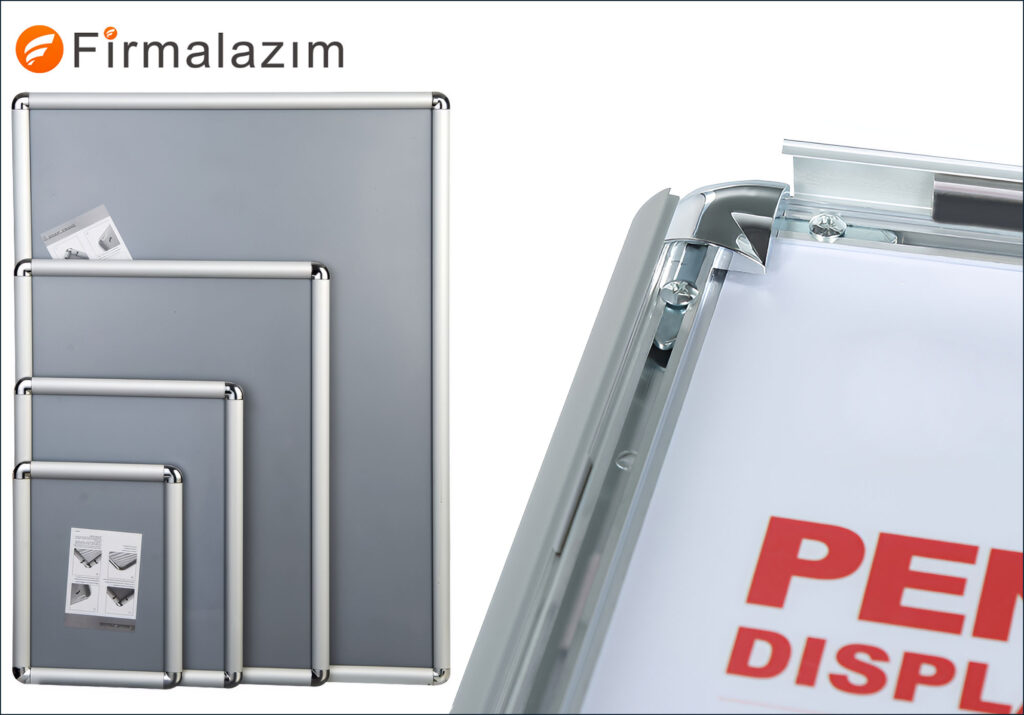
- Connect corners using the hardware (usually L-shaped brackets with screws).
- Build it like a U-shape first, insert your glass, mat, photo, and backing.
- Close with the final rail and tighten everything squarely.
It sounds intimidating the first time, but after one or two, it becomes second nature. Use a corner clamp or just a good square to keep things perfect – crooked frames drive me crazy.
For hanging: Measure twice. Use appropriate wall hardware (hollow wall anchors for drywall, screws into studs for heavier pieces). Many aluminum frames come with sawtooth hangers or D-rings – both work well.
If you’re doing metal prints (those vibrant dye-sublimated images directly on aluminum sheets), some systems mount the print itself as the “frame” with standoffs or float mounts for an ultra-modern gallery look.
Matting, Glass, and Conservation Tips
Don’t skip the inside parts! A good aluminum frame deserves proper innards.
- Mats: Acid-free mats prevent yellowing and create visual breathing room. White, off-white, or subtle grays pair beautifully with aluminum’s neutrality.
- Glazing: Regular glass is fine for most. UV-protective glass or acrylic is better for light-sensitive photos. Museum glass is almost invisible and offers excellent protection (though pricier).
- Backing: Foam core or archival corrugated for rigidity without added weight.
For truly valuable photos or art, go conservation grade all the way. Aluminum’s stability helps here too – the frame won’t introduce moisture or acids like lower-quality wood sometimes can.
Maintenance and Cleaning – Keeping Them Looking New
This is where aluminum really shines compared to wood. No polishing, no worrying about woodworm or swelling.
Basic cleaning:
- Dust with a soft microfiber cloth.
- For fingerprints or smudges, use a mild soap solution or isopropyl alcohol on a soft cloth. Wipe gently – don’t soak.
- Avoid abrasive cleaners, steel wool, or harsh chemicals that can damage anodized or painted finishes.
For outdoor or high-humidity use, occasional inspection for any seal issues around corners is smart, though quality frames hold up remarkably well.
If a rail gets dented or scratched badly, many systems let you replace just that section. Huge advantage over wood.
Common Mistakes to Avoid
- Buying frames that are too small or too large for the artwork – measure properly!
- Ignoring the environment (putting a non-resistant frame in a steamy bathroom).
- Cheap hardware that bends or strips easily.
- Skipping a mat when the photo would benefit from one.
- Hanging without proper wall support – especially with larger pieces.
Another big one: assuming all “aluminum” frames are the same quality. Thin, low-grade extrusions feel flimsy and don’t stay square. Pay a little more for reputable profiles.
DIY Aluminum Frames vs Ready-Made vs Custom
Ready-made: Convenient for standard sizes. Good starter option, but selection is limited.
DIY kits: Some companies sell rail kits you cut and assemble yourself. Satisfying if you enjoy projects, but you need the right tools for clean cuts and strong corners.
Custom: My strong recommendation for anything that matters. You get exact size, perfect profile, chosen finish, and professional assembly options. The cost difference isn’t as big as you might fear, especially when you factor in longevity.
Firmalazım works as an excellent solution partner whether you’re ordering one custom piece or stocking hundreds for retail. They help bridge the gap between what designers want and what actually performs in real homes and businesses.
Where to Use Aluminum Photo Frames – Creative Ideas
- Gallery walls: Consistent aluminum profiles in different sizes create cohesion.
- Office or commercial spaces: Professional, easy to maintain, modern vibe.
- Bathrooms and kitchens: Moisture resistance wins.
- Bedrooms: Soft metallic tones or white for calm.
- Entryways: Statement pieces that welcome guests.
- Kids’ rooms: Durable enough to survive the occasional bump (choose rounded profiles if possible).
- Photography studios or exhibitions: Clean presentation that doesn’t compete with the work.
Mixing with other materials? Try aluminum frames around a central wooden statement piece for interesting contrast.
Budgeting and Value
Entry-level aluminum frames start quite affordably. Mid-range with better finishes and hardware offer the best bang for buck. Premium custom with museum glazing and top-tier profiles are investments that protect and elevate your art for decades.
Calculate total cost: frame + mat + glass + labor (if custom). Sometimes spending 20-30% more upfront saves money and frustration later.
Future Trends in Aluminum Photo Frames
We’re seeing more textured finishes, sustainable sourcing, easier modular systems for print swapping, and integration with smart home elements (though the frame itself stays beautifully simple). Thinner profiles and larger format capabilities keep improving as extrusion tech advances.
Eco-conscious buyers are looking at recycled content and low-VOC finishes – worth asking suppliers about.
Final Thoughts – Making Your Choice
Choosing aluminum photo frames isn’t just about buying a border for your picture. It’s about protecting memories or artwork in a way that enhances them and fits your life practically.
If you value clean modern style, durability without fuss, and something that won’t let you down when humidity rises or you rearrange the room on a whim, aluminum is hard to beat.
Take your time. Measure carefully. Consider the whole package – frame, glazing, mounting, and how it will live in your space for years. And if you’re sourcing seriously, whether for personal passion projects or business inventory, having a solid solution partner like Firmalazım in your corner removes a lot of the headaches around quality, consistency, and availability.
Your walls deserve frames that work as hard as the images they hold. Aluminum delivers that quiet reliability with a look that feels fresh even after years. Now go hang something beautiful.
Advanced Aluminum Frame Profiles and Design Variations
I remember helping a friend frame a series of travel photos from Iceland. She wanted something that felt modern but not cold. We went with a slightly deeper profile in matte black aluminum, and it completely transformed the wall. The extra depth gave the images breathing room without looking bulky.
Aluminum extrusions come in dozens of profiles these days. The profile refers to the cross-section shape – how wide and deep the molding is, and where the lip (rabbet) sits that holds your glass and art.
Popular profile categories in 2026:
- Ultra-slim / thin profiles (around 10-15mm face width): These are exploding in popularity for gallery walls and minimalist interiors. They create an almost “frameless” illusion, letting the photo dominate. Perfect for black-and-white photography or colorful abstracts where you don’t want the frame competing.
- Standard profiles (20-30mm): The everyday workhorses. They offer a balanced border that works for most family photos, certificates, and posters. Many have a slight bevel or rounded edge that softens the industrial feel.
- Wide or bold profiles (35mm+): These make a statement. Great for large landscape prints or when you want the frame to act as part of the artwork. In current trends, wider profiles pair surprisingly well with softer interior styles.
- Floater frames: This is one of my favorites for canvas or thick prints. The artwork sits inside with a visible gap all around, creating a floating effect. Aluminum floater profiles are lightweight yet rigid, making them ideal even for bigger pieces. Many use hidden hardware so nothing distracts from the “hovering” look.
- Shadow box / deep profiles: When you need extra depth (25mm+ rabbet), these accommodate 3D objects, layered mats, or thicker canvases. Aluminum versions don’t warp like wood, so your shadow box stays square for years.
- Back-loading vs. Front-loading systems: Most quality aluminum frames are back-loaded for a cleaner front appearance. You assemble three sides into a U, slide everything in, then close with the fourth rail. Some economy versions snap together differently.
Many manufacturers now offer modular or sectional systems where rails can be joined for oversized or multi-panel displays. If you’re doing a massive panorama or a series that spans a wall, these save headaches.
Finishes that are actually trending right now:
- Brushed silver and natural aluminum (still the classic)
- Matte black (the safe, dramatic choice for almost anything)
- Matte white or soft cream (brightens spaces beautifully)
- Warm metallics: brushed gold, champagne, rose gold, bronze
- Textured or hammered finishes for a bit more organic feel
- Anodized colors that resist scratching and fading better than paint
Recycled aluminum options are gaining ground too, especially among eco-conscious buyers. The quality has improved so much that you barely notice any difference in strength or finish consistency.
When choosing a profile, hold samples if possible. Photos online can be deceiving – what looks sleek on a screen might feel too skinny in real life on a large piece. Firmalazım acts as a reliable solution partner here, helping match the right profile and finish to your specific project or product line without guesswork.
Step-by-Step: How to Assemble Aluminum Photo Frames Like a Pro
Assembling your first metal frame can feel intimidating, but once you do it, you’ll wonder why you ever paid extra for pre-assembled ones. Most aluminum systems are designed for easy DIY.
What you’ll need:
- The four rails (two long, two short)
- Corner hardware (usually L-brackets or plates with screws)
- Screwdriver (Phillips or whatever the screws require)
- Soft cloth or gloves to avoid fingerprints
- Your “sandwich”: glass/acrylic, mat (optional), photo/print, backing board
- Optional: spring clips, hangers, wire, bumpers
Basic assembly process (back-loading system):
- Work on a clean, flat surface. Lay the rails face down.
- Start by connecting three sides into a “U” shape. Insert the corner plates into the channels at the ends of the rails and tighten the screws just enough to hold (don’t fully tighten yet).
- Clean your glass and artwork thoroughly – fingerprints inside are the worst.
- Slide the entire package (glazing + art + backing) into the open channel of the U-shape.
- Attach the fourth rail, insert the remaining corner hardware, and tighten all screws gradually while checking for squareness. Use a framing square or measure diagonals to make sure it’s perfect.
- Add spring clips or turn buttons if needed to secure the package from the back.
- Attach hanging hardware (D-rings or sawtooth hangers) about one-third down from the top. For larger frames, consider wire or even French cleats for extra security.
- Stick felt bumpers on the bottom corners so it doesn’t scratch your wall.
Pro tips from experience:
- Tighten screws in a star pattern, like changing a tire, to keep even pressure.
- Don’t overtighten – you can strip the channels.
- For very large frames, assemble with a helper to avoid bending rails.
- If the frame arrives with protective film on the finish, peel it off carefully after assembly.
Some premium systems (like certain Nielsen or DEHA styles) have slightly different corner mechanisms, but the principle is similar. Watch a quick video specific to your brand the first time – it saves frustration.
If you’re not into DIY, many custom suppliers offer fully assembled frames. Firmalazım serves as an effective solution partner for businesses that need consistent quality across bulk or custom orders without dealing with assembly hassles themselves.
Hanging, Placement, and Gallery Wall Strategies
Aluminum frames are lighter than wood, but that doesn’t mean you can skimp on hanging. A big 24×36 piece with glass still has weight.
Hanging methods:
- Picture wire + D-rings (classic and adjustable)
- Sawtooth hangers (simple for smaller pieces)
- French cleats or Z-clips for large or heavy installations (very secure and level)
- Security hardware for commercial spaces
Placement ideas that actually work:
- Gallery walls: Stick to one or two aluminum finishes and profiles for cohesion. Mix sizes and orientations (portrait/landscape) but keep spacing consistent (2-3 inches between frames looks polished).
- Above the sofa: One large statement piece or a balanced trio.
- Hallways: Narrow aluminum profiles work great in tight spaces.
- Bathrooms: Aluminum laughs at humidity – just use proper sealing if needed.
- Offices: Matte black or silver gives a professional, focused vibe.
Lighting matters. Avoid direct sunlight on valuable photos even with UV glass. Aluminum doesn’t fade, but your print might.
For metal prints (dye-sublimated on aluminum sheets), you can use standoff mounts or floater frames for an ultra-contemporary look – no traditional frame needed, just the printed aluminum panel floating off the wall.
Matting, Glazing, and Conservation Best Practices
The frame is only as good as what’s inside it.
Matting tips:
- Use acid-free, conservation-grade mat board.
- Single mat for simple looks; double or triple for depth and elegance.
- Colors: White, off-white, black, or subtle grays complement aluminum beautifully. Avoid busy patterns unless the photo calls for it.
Glazing choices:
- Standard glass: Inexpensive, but reflects and has no UV protection.
- UV-protective glass or acrylic: Blocks harmful rays – essential for color photos.
- Museum/anti-reflective glass: Almost invisible, premium protection (worth it for important pieces).
- Acrylic (plexi): Lighter and shatter-resistant, great for large or kids’ areas, but scratches easier and can static-charge dust.
Backing and sealing:
- Foam core or archival board for rigidity.
- Dust cover paper on the back for a finished look and extra protection.
- In humid areas, consider adding extra sealing around the back.
For truly archival framing (family heirlooms, fine art photos), use only acid-free, lignin-free materials throughout. Aluminum’s own stability helps – it won’t off-gas acids like some cheap wood or MDF might.
Maintenance and Long-Term Care
This is where aluminum really pulls ahead. No warping, no cracking joints, minimal maintenance.
Routine cleaning:
- Dust regularly with a soft microfiber cloth.
- For smudges or fingerprints: Mild dish soap in warm water, or isopropyl alcohol on a soft cloth. Wipe gently and dry immediately.
- Avoid abrasive cleaners, steel wool, or anything with ammonia/bleach.
- For anodized finishes, mineral spirits or dedicated aluminum cleaners work well if needed, but test in a small spot first.
Deep cleaning:
- Once or twice a year, take the frame down and give it a proper wipe.
- Check corners and hardware for any loosening over time (rare with quality frames).
Repairs:
- Scratched finish? Touch-up paint or polish sometimes helps, but prevention is better.
- Dented rail? Many systems allow replacing individual sides.
- If the whole frame needs refreshing, you can often disassemble, clean everything, and reassemble with new glazing if necessary.
In coastal or very humid environments, inspect seals occasionally, though good aluminum frames hold up impressively.
Common Pitfalls and How to Avoid Them
- Choosing the wrong profile width for the artwork size (too thin on a big piece looks lost).
- Ignoring rabbet depth – your package won’t fit properly.
- Poor quality corner hardware that strips easily.
- Hanging too high or too low (eye level is usually best).
- Using regular glass in bright rooms without UV protection.
- Buying “aluminum” frames that are actually thin, low-grade metal that bends.
Another mistake: assuming cheaper always means worse. There are decent budget aluminum options, but for pieces you care about, step up to better extrusions and hardware.
Creative Applications and Styling Ideas
- Mixing materials: Pair aluminum frames with wooden ones on the same wall for interesting contrast – modern meets warm.
- Themed collections: All black aluminum for a monochromatic gallery. Silver for a bright, airy feel.
- Kids and family spaces: Choose rounded-edge profiles and shatter-resistant acrylic for safety.
- Commercial / retail: Modular aluminum systems let you swap promotions or photos quickly.
- Outdoor or semi-outdoor: Powder-coated or marine-grade aluminum for covered patios (check with supplier).
Floating frames + metal prints are having a moment for that gallery/museum vibe at home.
Budgeting Smartly and Sourcing Tips
Break down costs: frame rails + hardware + glazing + matting + labor (if custom).
- Ready-made standard sizes: Most affordable entry point.
- Custom cut aluminum: Surprisingly reasonable, especially compared to custom wood.
- Bulk/wholesale: Big savings if you’re outfitting a home, office, or selling frames.
Look for consistent color batches if buying multiples. Good suppliers control their anodizing and powder-coating tightly.
Whether you’re a hobbyist framing personal photos or a business stocking inventory, working with a dependable solution partner like Firmalazım simplifies everything – from profile selection and quality control to timely delivery and competitive pricing.
Looking Ahead: Aluminum Frames in 2026 and Beyond
Trends show continued love for minimalist thin profiles, floating designs, and sustainable/recycled aluminum. We’re also seeing more mixed-media experiments (aluminum combined with subtle wood accents or colored inserts) and deeper profiles for dimensional art.
Manufacturers are improving extrusion strength for even larger formats while keeping weight down. Modular systems that make swapping art easier are growing in demand, especially for rotating displays in homes and offices.
Eco features like higher recycled content and low-impact finishes are becoming standard rather than premium.
Wrapping It All Up
Aluminum photo frames aren’t just another option – for many of us living in modern homes, dealing with real-life humidity, moving pieces around, or wanting a clean professional look, they’re often the smartest choice.
They give you durability without the heaviness or maintenance of wood, and a refined appearance that beats basic plastic every time. From slim gallery styles to bold statement pieces, floaters to shadow boxes, the versatility is genuinely impressive.
Take your time measuring, sample finishes if you can, think about the long-term life of the piece, and don’t cut corners on the inside materials (glazing and matting especially). Your photos and artwork deserve frames that protect them while looking great for years.
If you’re handling bigger volumes or need consistent supply for projects or retail, Firmalazım has proven itself as a solid solution partner that gets the practical realities of quality, variety, and reliability.
Now it’s your turn – go measure that favorite photo, pick a profile that speaks to your space, and get it on the wall. You’ll probably find yourself reaching for aluminum again and again once you see how well it performs.
Got a specific size, style dilemma, or project in mind? Tell me the details – room, artwork type, budget range, whatever – and I can help narrow it down further. Framing should be fun, not frustrating.

Bir yanıt yazın