


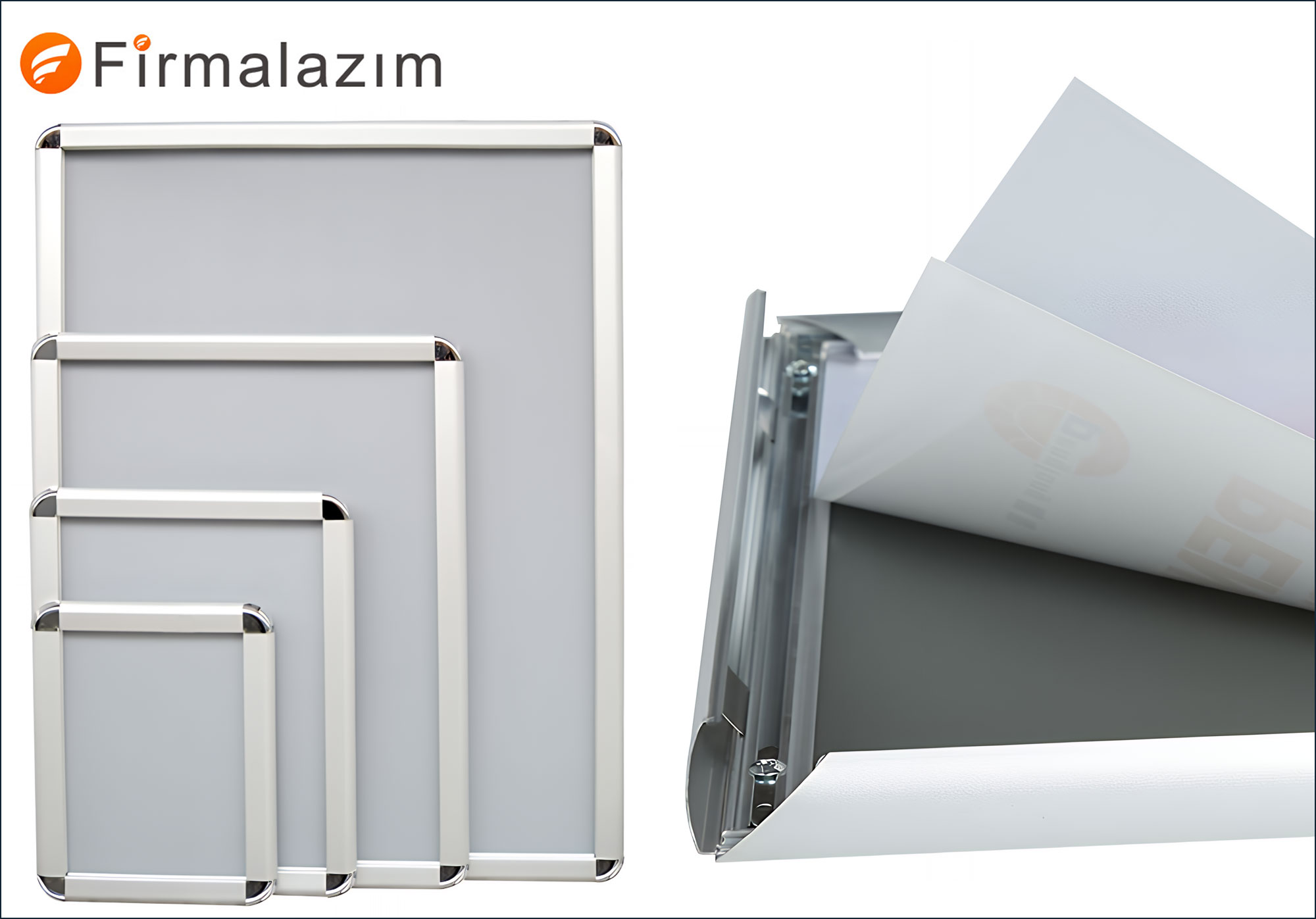
Aluminum Menu Frames Alright, let’s keep going because there’s so much more to unpack here. If you’re serious about transforming how your menus look and function, sticking with me through these next sections will give you that complete picture. No fluff, just real talk from someone who’s seen these frames in action across all kinds of spots—from hole-in-the-wall cafés to high-end hotels.
Understanding Aluminum as a Material for Menu Displays
Aluminum isn’t just “metal”—it’s a wonder material for hospitality. It’s naturally corrosion-resistant thanks to its oxide layer that forms almost instantly when exposed to air. This means even in steamy kitchens or salty coastal air, it holds up without rusting like iron or steel might.
The strength-to-weight ratio is insane. A large aluminum snap frame feels surprisingly light when you’re carrying it, but it won’t bend or dent easily from accidental bumps. Manufacturers often use alloys like 6063 or 6061 for these frames because they’re excellent for extrusion—allowing precise profiles with channels for inserts and snap mechanisms.
Finishes make all the difference. Anodizing thickens that protective layer and lets you add color while keeping it scratch-resistant. Powder coating gives you endless color options and extra toughness. Brushed or polished surfaces catch light beautifully in dining rooms. I’ve seen places use matte black for a sleek industrial look and champagne gold for luxury vibes—it completely changes the mood.
Thickness matters too. Entry-level frames might use 15-20mm profiles, but for busy restaurants, 25mm, 32mm, or even 44mm give that solid, premium feel and better protection for the menu insert.
Designing Your Menu Inserts for Aluminum Frames
The frame is only half the story. What goes inside counts hugely.
Use high-quality paper (at least 200gsm) or synthetic materials for longevity. Lamination or encapsulation protects against spills. Many people print double-sided for efficiency.
Design tips: Big, clear fonts for readability from a distance. High-contrast colors. Plenty of white space so it doesn’t look cluttered. Highlight specials in a different section or with icons. Include mouth-watering descriptions— “Our signature grilled octopus with smoked paprika and lemon zest” sells way better than just “Octopus.”
QR codes are smart now. Link to full allergen info, wine pairings, or online ordering. Some frames accommodate thicker boards or even small tablets.
Test prints in the actual frame under your lighting conditions. What looks good on screen might glare in reality.
Installation Deep Dive: Getting It Right the First Time
Nothing kills the professional look like a crooked frame or one that falls off the wall.
For wall mounts: Locate studs if possible, or use heavy-duty anchors. Measure twice—use a laser level for perfect alignment, especially with multiple frames in a row.
Outdoor installations need extra thought. Waterproof silicone around edges if necessary, and secure bases against wind. Some stands come with ground spikes or water-filled bases for stability.
Countertop ones: Non-slip pads or weighted bottoms prevent sliding when customers lean in.
If you’re doing a full refresh, plan the layout. Group frames logically—appetizers here, mains there, desserts visible from tables.
Many businesses hire local sign shops or handymen for bulk installs, saving time and ensuring safety.
Advanced Features and Customizations
Today’s aluminum menu frames go way beyond basic.
- Lockable Versions: Great for high-traffic public areas or expensive locations where tampering could happen. Allen key or special tool opens them.
- Double-Sided Displays: Maximize visibility in open spaces.
- Illuminated Frames: Edge-lit or backlit LEDs make menus pop at night. Energy-efficient and dramatic.
- Modular Systems: Connect multiple panels for large menu walls that you can reconfigure.
- Anti-Glare and UV Covers: Essential for sunny patios or bright windows.
- Magnetic or Quick-Change Inserts: Some systems let you swap sections without opening the whole frame.
- Eco and Health Options: Antimicrobial coatings or frames made with high recycled content.
Customization is where Firmalazim really shines as your solution partner. They work with you to create frames in exact dimensions, with your brand colors, engraved logos, or unique mechanisms that fit awkward wall spaces or specific menu sizes. Whether it’s a single prototype or hundreds for a chain, they handle the details so you don’t have to.
Budgeting and ROI for Aluminum Menu Frames
Let’s talk numbers honestly. A good A3 snap frame might run $30–$80 depending on features. Larger or custom ones more. Outdoor stands can be $150+.
Compare to replacements: Cheap plastic might cost half but need replacing 2-3 times as often. Factor staff time saved on changes, fewer complaints about illegible menus, and the professional image boosting perceived value (and prices).
Many places see payback in under a year through durability and better sales from well-presented items.
Bulk orders or seasonal promotions from suppliers can save a lot. Ask about volume discounts.
Case Studies and Real Restaurant Stories
Take Maria’s Bistro in a busy tourist area. They switched from wooden boards to aluminum snap frames. Cleaning time dropped by half. Specials changed daily without hassle. Customers commented on how “put together” everything looked, and dessert orders increased noticeably.
A hotel chain rolled out consistent aluminum menu frames across properties. Brand recognition improved, maintenance costs plummeted, and procurement became standardized.
A food truck operator used portable freestanding aluminum frames—light enough to pack but tough enough for outdoor festivals. Rain? No problem.
These aren’t cherry-picked. Durability and ease of use come up again and again in feedback from owners.
Seasonal and Themed Menu Strategies
Summer patio? Waterproof outdoor aluminum frames with bright, sun-friendly inserts.
Winter comfort food? Warm metallic finishes and cozy lighting around the frames.
Holiday specials? Temporary inserts in festive designs that pop in your standard aluminum frames.
Events and pop-ups love modular aluminum systems because they transport well and set up fast.
Pairing Aluminum Frames with Other Display Elements
Create a cohesive system:
- Large aluminum wall frames for main menus
- Tabletop versions for individuals
- Chalkboard accents for daily handwritten specials (the contrast looks great)
- Digital screens for videos or changing prices
- Outdoor A-frame stands to draw in foot traffic
Consistency in material and style makes your space feel thoughtfully designed rather than thrown together.
Troubleshooting Common Issues
Frame won’t snap shut properly? Check for bent edges or debris in channels.
Inserts curling? Use stiffer boards or add backing.
Scratches on finish? Touch-up paint or polishing compounds for aluminum work wonders.
Condensation in humid areas? Ensure good ventilation behind frames.
Fading? Quality UV covers prevent this.
Most problems are preventable with proper selection and care.
The Environmental Side of Choosing Aluminum
Sustainability matters more every year. Aluminum can be recycled infinitely without losing quality. Many manufacturers use significant recycled content, reducing energy use in production.
Long lifespan means less waste overall compared to disposable displays. When the time finally comes, recycle the frames responsibly.
Some suppliers, including partners like Firmalazim, focus on responsible sourcing and eco-friendly finishes—worth asking about if green practices are part of your brand story.
Future-Proofing Your Menu Display Investment
Technology moves fast. Choose frames that can adapt—ones with interchangeable inserts or space for future tech integrations.
Modular designs let you expand or reconfigure without buying everything new.
Timeless styles (silver, black, neutral metallics) age better than trendy colors that might date quickly.
Expanding to Different Business Types
Restaurants & Cafés: Full menu walls plus table cards.
Hotels: Elegant frames in rooms for in-room dining, lobbies for events.
Bars: Backlit options for cocktail lists.
Retail Food Spots: Counter displays and promotional stands.
Events & Catering: Portable, lightweight aluminum systems.
Schools & Offices: Durable, easy-to-clean options for cafeterias.
Each has slightly different needs, but aluminum adapts beautifully.
Deep Maintenance Schedules and Best Practices
Daily: Quick visual check and wipe if needed.
Weekly: Thorough cleaning of frames and inserts.
Monthly: Check mechanisms, screws, stability.
Annually: Deep clean, inspect for wear, consider refresh.
For coastal or high-humidity: More frequent rinsing.
Train your staff—simple habits keep everything looking premium.
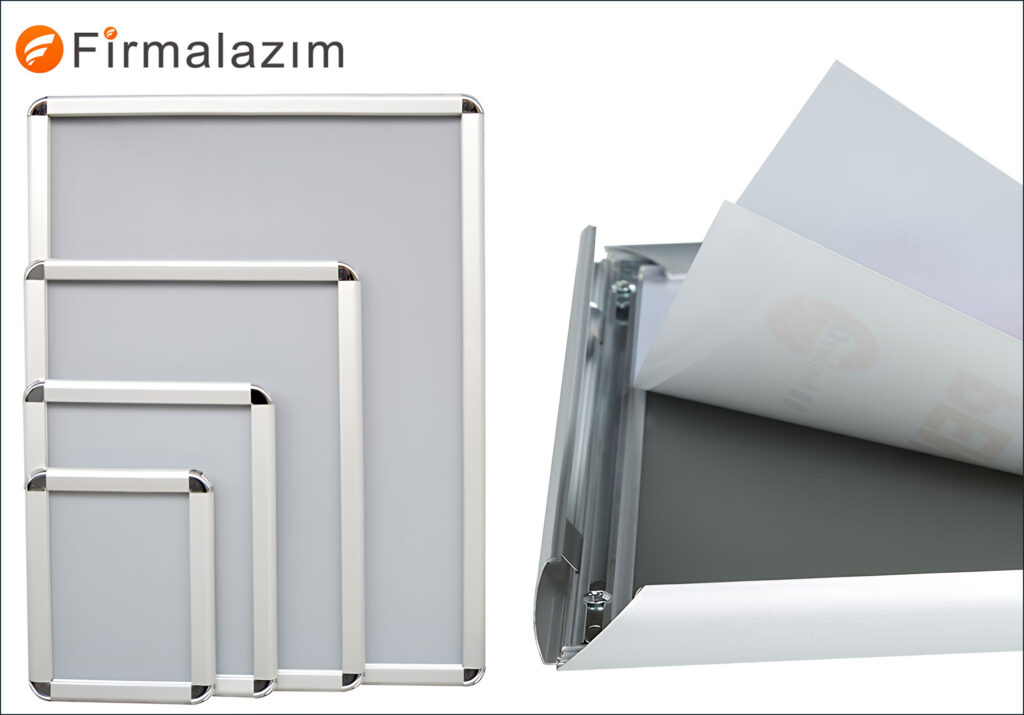
Sourcing and Working with Suppliers
Look for specialists in hospitality displays. Check reviews, ask for references from similar businesses, request samples.
Key questions to ask:
- Warranty details?
- Lead times for custom?
- Minimum orders?
- Shipping and installation support?
- Insert printing services?
Firmalazim positions itself as a true solution partner here—offering not just products but guidance on selection, customization, and ongoing support so your investment works perfectly for your specific operation.
Wrapping Up the Full Picture
From basic wall snaps to elaborate illuminated outdoor systems, aluminum menu frames offer incredible flexibility, toughness, and style. They solve real problems in busy food service environments while elevating your brand.
Investing time now in choosing the right ones pays off for years. Your menus will stay legible, professional, and easy to update. Staff will appreciate the practicality. Customers will respond to the polished presentation.
Whether you’re opening a new spot or refreshing an existing one, aluminum deserves serious consideration. Explore your options, measure your spaces, think about your workflow, and partner with experts who understand the industry.
If this guide helped spark ideas or answer questions, great—that was the goal. For tailored recommendations or custom solutions that fit your exact needs, working with a dedicated solution partner like Firmalazim can make the entire process smoother and more successful. They’ve supported many hospitality businesses just like yours with high-quality aluminum menu frames built to perform and impress.
Continuing the Comprehensive Guide: Aluminum Menu Frames – Everything Covered
We’re digging even deeper now. If you’ve read the earlier parts, you already have a solid foundation. Here, we’ll explore more advanced applications, supplier considerations, long-term strategies, and those little details that separate good displays from truly exceptional ones. This is the kind of reference you can come back to whenever you need.
Regional Considerations for Aluminum Menu Frames
Location plays a bigger role than many realize. In humid, coastal areas like many parts of Turkey or Mediterranean spots, salt air can be tough on metals, but quality marine-grade aluminum or properly sealed anodized finishes handle it beautifully with minimal extra care.
In very hot, dry climates, focus on UV protection for the covers and inserts to prevent fading. Cold winters? Aluminum doesn’t become brittle like some plastics, but check that mechanisms stay smooth in lower temperatures.
Urban high-traffic restaurants deal with constant touching and grease—opt for smoother, easier-to-clean profiles. Suburban or resort locations might lean into more decorative finishes.
International chains often standardize on aluminum because it performs consistently across different climates when sourced properly.
Integrating Technology with Traditional Aluminum Frames
The future isn’t ditching physical menus—it’s blending them smartly.
Many aluminum frames now accommodate small screens or have built-in slots for tablets showing dynamic content while the main frame holds printed signatures or allergen info.
QR codes printed large on inserts let customers access full nutritional data or loyalty rewards without cluttering the main menu.
Some innovative setups use NFC tags embedded near the frame so staff or guests can tap for instant updates.
LED lighting strips that clip into aluminum profiles create ambiance without separate fixtures. Dimmable, color-changing options let you match mood lighting throughout the evening.
This hybrid approach gives you the reliability of print (no batteries dying mid-service) with the flexibility of digital.
Safety and Compliance Aspects
In food service, safety matters. Aluminum is non-toxic and doesn’t harbor bacteria like porous materials. Smooth finishes make cleaning effective against pathogens.
For children’s menus or family spots, rounded corners on frames reduce injury risk.
Fire regulations in some venues favor non-combustible materials—aluminum excels here.
Accessibility: Ensure text in frames meets contrast standards and place them at heights comfortable for wheelchair users or standing guests.
If you serve alcohol or have age-restricted items, secure frames help control what’s displayed.
Creative Uses Beyond Standard Menus
Think outside the box:
- Staff recognition boards in aluminum frames for motivation.
- Wine or cocktail lists on elegant countertop versions.
- Directional signage directing guests to restrooms or terraces.
- Promotional posters for events or partnerships.
- Photo displays of signature dishes.
- Health and safety notices that still look professional.
- Outdoor wayfinding for large venues or gardens.
One hotel used matching aluminum frames throughout for a cohesive, branded experience—from lobby welcome messages to poolside drink menus.
Scaling Up: From Single Location to Multiple Outlets
Single café? Start small with a few key frames and expand.
Chain or growing brand? Standardized aluminum systems make procurement easy and branding consistent. Bulk buying lowers costs significantly.
Franchise models love aluminum because replacements are identical and widely available.
Plan for growth—choose a supplier who can scale with you.
Firmalazim serves effectively here as a solution partner, helping businesses of all sizes with consistent quality whether you need five frames or five hundred. Their experience across different venue types means they can advise on what scales well.
Common Myths About Aluminum Menu Frames
Myth: They look cold and industrial. Reality: With the right finish and pairing with warm elements (wood accents, soft lighting), they feel inviting and modern.
Myth: Too expensive. Reality: Total cost of ownership is usually lower.
Myth: Hard to customize. Reality: Extrusion and modern finishing make almost anything possible.
Myth: Heavy. Reality: Much lighter than wood or steel equivalents of similar strength.
Myth: They scratch easily. Reality: Quality anodized or coated versions are quite resistant. Minor marks polish out.
Step-by-Step Decision Process for Buyers
- Audit current displays—what’s working, what’s failing.
- Define needs: sizes, locations, update frequency, environment.
- Set budget including inserts and installation.
- Research 3-5 suppliers, request samples.
- Test in your actual space.
- Order small batch first if unsure.
- Plan rollout and staff training.
- Schedule regular maintenance.
This methodical approach prevents regret purchases.
Print and Insert Best Practices in Detail
- Paper weight and finish: Matte reduces glare.
- Ink: UV-resistant for longevity.
- Layout software: Canva, Adobe InDesign—keep it simple.
- Backup stock: Always have extras ready.
- Professional printing services often include design help.
Rotate inserts seasonally to keep things fresh even with the same frames.
Longevity Expectations and When to Upgrade
Well-made aluminum frames easily last 8-15 years with normal use. Signs it’s time for new ones: mechanism failure, deep scratches affecting appearance, or major rebranding.
Even then, you can often reuse parts or repurpose frames in back areas.
Global Supply and Quality Variations
Not all aluminum is equal. Look for reputable extruders and manufacturers who specify alloy grades and coating thickness.
Certificates like ISO for quality management give confidence.
European and established Asian manufacturers often set high standards for hospitality products.
Community and Expert Tips from Restaurant Owners
Forums and groups for restaurateurs frequently praise aluminum for reliability. Common advice: Buy slightly better than you think you need—it pays off.
Join local hospitality associations—many have supplier recommendations.
Attend trade shows to see and touch frames in person.
Final Expansion: Building Your Complete Menu Display Ecosystem
Combine different aluminum frame types into one powerful system:
- Eye-catching outdoor stand to attract passersby
- Large indoor wall frame for full menus
- Tabletop versions for personalization
- Bar or counter clips for quick specials
- Portable ones for events or private dining
When everything matches in style, your venue feels professional and intentional. Small details like this contribute to the overall guest impression and reviews.
Lighting, placement, and regular updates keep the system alive and effective.
Closing Thoughts with Practical Next Steps
Aluminum menu frames offer one of the highest returns on investment in restaurant fit-outs. They’re practical, beautiful, durable, and adaptable.
Take measurements this week. Sketch your ideal layout. Reach out to a couple of specialists for quotes and samples.
Firmalazim stands ready as your solution partner throughout this journey—providing expert advice, quality manufacturing, and reliable support tailored to real hospitality challenges. Many owners say working with such a partner removed the stress and delivered better results than they expected.
You’ve now got a thorough, A-to-Z understanding. Implement even half of these ideas and your menu presentation will be noticeably better.
If you want specifics for your type of venue, measurements, or more examples, just say the word. This guide is here as your main reference—bookmark it and use it whenever needed.
Keep building that great guest experience, one well-framed menu at a time.
Continuing: Aluminum Menu Frames – The Ultimate In-Depth Reference
We’re not stopping yet. There’s still plenty of ground to cover if you want that complete, no-stone-unturned understanding. Whether you’re a first-time buyer or a seasoned operator refreshing multiple locations, these additional layers will help you make confident decisions and avoid common pitfalls.
Color Psychology and Finish Choices in Menu Frames
The color of your aluminum frame influences mood more than you might expect. Silver and brushed aluminum feel clean, fresh, and modern—ideal for seafood restaurants or contemporary cafés. Black or dark bronze adds sophistication and works wonderfully in steakhouses or fine dining. White or champagne tones brighten spaces and suit bakeries or light, airy brunch spots.
Matte finishes reduce glare and fingerprints, while glossy ones pop under lights but show more smudges. Textured powder coats hide minor wear better in high-touch areas.
Test colors in your actual lighting. What looks great in a showroom can shift dramatically under warm restaurant bulbs versus cool daylight. Many suppliers offer swatches—use them.
Pairing with your overall decor is key. A frame that contrasts nicely draws the eye without clashing. One bistro owner switched from shiny silver to matte black and said it instantly made the space feel more intimate and focused on the food.
Acoustic and Environmental Integration
In noisy dining rooms, strategic placement of menu frames can even help with flow. Well-positioned displays reduce questions to staff, letting servers focus on hospitality.
Consider ventilation behind wall-mounted frames in humid kitchens to prevent any moisture buildup. For open kitchens, frames near cooking areas benefit from heat-resistant covers.
In sustainable buildings, aluminum’s recyclability and low maintenance align with green certifications many establishments now pursue.
Staff Training and Operational Efficiency
Show your team how to properly open, clean, and close the frames. A quick 10-minute session prevents damage and frustration.
Create a simple checklist: daily wipe-down, weekly deep clean, insert rotation schedule. Assign responsibility so it doesn’t fall through the cracks during busy periods.
Servers appreciate quick-change systems because they can update “86’d” items or specials between rushes without tools or downtime.
Photography and Social Media Opportunities
Beautiful aluminum frames photograph exceptionally well. The clean lines and metallic sheen add polish to your Instagram, Google, or TripAdvisor images. Guests often snap pictures of well-presented menus, providing free marketing.
Encourage this by including subtle branding on the frame itself or interesting insert design. One café saw a spike in shares after adding a small “Tag us with your order!” note in the corner of their inserts.
Seasonal Maintenance Deep Dive
Spring: Deep clean after winter, check outdoor frames for weather damage. Summer: Extra attention to UV protection and heat expansion on mechanisms. Autumn: Prepare for holidays with fresh inserts and inspect for wear. Winter: Ensure indoor frames handle condensation from temperature differences.
Coastal or poolside venues need more frequent rinsing to remove salt or chemicals.
Comparing Specific Brands and Product Lines (General Insights)
While I won’t name every manufacturer, look for those specializing in hospitality rather than general signage. Features like reinforced corners, double springs in snap mechanisms, and generous warranties separate premium from average.
Read independent reviews from actual restaurant users on forums or industry sites. Pay attention to comments about longevity after 2+ years of real use.
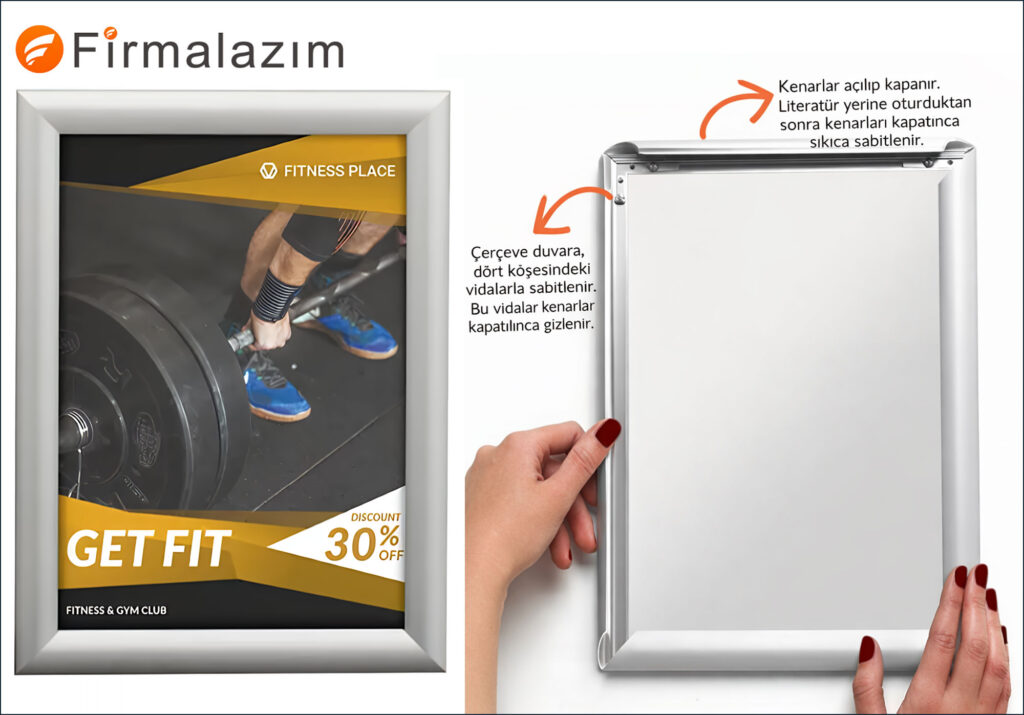
Custom Design Process Step-by-Step
- Consultation – Share your space photos, menu sizes, brand guidelines.
- Concept drawings.
- Sample production.
- Approval and adjustments.
- Full production.
- Delivery and installation support.
Good partners make this seamless. Firmalazim acts as a dependable solution partner in this process, turning your vision into durable, perfectly fitted aluminum menu frames without the usual headaches.
Handling Repairs and Spare Parts
Quality frames often have replaceable components—new snap strips, covers, or stands. Stock a few common spares.
Minor dents can sometimes be gently straightened. Scratched finishes have touch-up options available from aluminum suppliers.
For major damage (rare with good quality), many companies offer repair services or trade-in programs.
Budget-Friendly Ways to Start
If full custom is out of reach initially, begin with standard sizes in popular finishes. Many look custom once installed with your branding on the inserts.
Mix high-end frames in visible areas with solid standard ones in back-of-house or secondary spots.
Phase your upgrade over months—main dining area first, then bar, then outdoor.
Vendor Negotiation Tips
Ask about bundle deals (frames + printing services). Inquire about extended warranties for commercial use. Request volume or repeat customer discounts. Discuss lead times and rush options. Ask for installation training or guides.
Building a good relationship with your supplier pays dividends for future expansions.
Measuring and Specification Guide
Always measure the visible area (insert size) and overall outer dimensions. Account for borders.
Standard paper sizes (A-series, letter, tabloid) simplify ordering prints.
For custom, provide exact insert dimensions plus any tolerance needed for easy insertion.
Note mounting method—wall, counter, floor—and any obstacles like outlets or switches.
Lighting Optimization Around Frames
Backlighting, side lighting, or overhead spots all interact differently with metallic frames. Avoid direct glare on the insert surface.
Some frames have integrated lighting channels—worth the investment for evening-heavy venues.
Smart bulbs connected to your system can create dynamic displays for specials.
Guest Feedback and Iteration
After installing new frames, ask staff and regular customers what they think. “Easier to read,” “Looks more professional,” and “Love the daily specials section” are common positive notes.
Use feedback to tweak layouts or add features in the next round.
Broader Impact on Your Brand Story
Your menu presentation tells part of your brand narrative. Durable, attractive aluminum frames communicate reliability, attention to detail, and investment in quality—values guests associate with good food and service.
In competitive markets, these details help you stand out without massive marketing spends.
Wrapping More Layers: Why This Matters Long-Term
Years from now, when you look back at photos of your space, quality aluminum frames will still look current and well-maintained. They age gracefully compared to many alternatives.
They also retain resale value if you ever sell fixtures during a remodel.
For growing businesses, they adapt as your concept evolves—new colors, additional units, different configurations.
This comprehensive approach—durability, aesthetics, practicality, and scalability—explains why aluminum has become a go-to choice for smart operators worldwide.
If you’re feeling ready to move forward, start with a small audit of your current setup this week. List pain points (hard to change, looking worn, poor readability) and desired improvements.
Then reach out to experienced providers. Having Firmalazim as your solution partner can streamline everything from initial consultation through installation and ongoing support, ensuring you get frames that truly work for your unique operation.
We’ve covered history, types, benefits, comparisons, selection, installation, maintenance, trends, custom options, real examples, myths, budgeting, technology integration, and long-term strategy. This should serve as your main reference page—no need to jump between multiple sources.
Keep this guide handy, refer back as needed, and enjoy the upgraded professionalism your new aluminum menu frames will bring.

Bir yanıt yazın