


Aluminum Advertising Frames Hey there! If you’re in the business of getting your message out there—whether you’re running a retail store, managing an office space, organizing events, or just trying to make your brand pop in a crowded world—you’ve probably come across aluminum advertising frames. These aren’t just another piece of display hardware. They’re the quiet heroes of signage that combine sleek looks, serious durability, and incredible versatility.
I’ve spent time digging into what makes these frames tick, and let me tell you, once you start using them properly, it’s hard to go back to anything else. In this massive guide, we’re going deep. No fluff, no skipping the important bits. By the end, you’ll know everything from why aluminum beats other materials to how to pick the perfect frame for your specific needs. And if you’re looking for a reliable solution partner, FİRMALAZIM stands out as the go-to team that understands these systems inside out.
What Exactly Are Aluminum Advertising Frames?
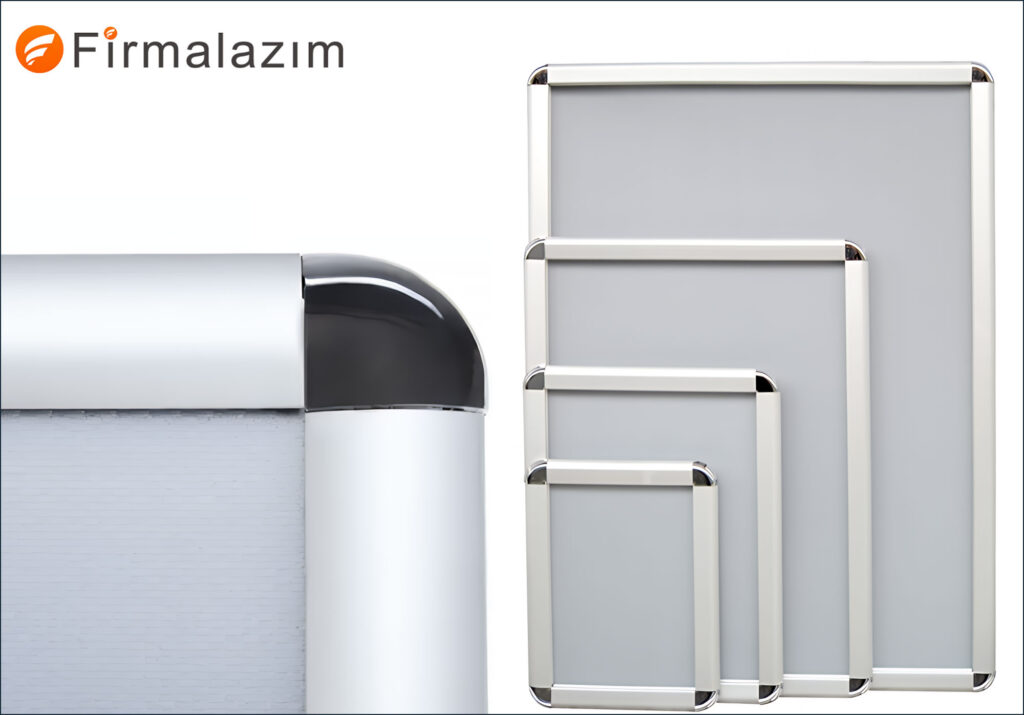
Let’s start at the beginning. Aluminum advertising frames are display systems made primarily from extruded aluminum profiles. They hold posters, graphics, menus, promotions, or any visual content you want to showcase. Think of them as premium picture frames but built for the demands of real-world advertising.
Unlike cheap plastic or wood alternatives that warp, fade, or fall apart after a season, aluminum frames are engineered for longevity. The aluminum is typically anodized or powder-coated, giving it that smooth, professional finish while protecting it from scratches, corrosion, and the elements.
You see them everywhere once you start noticing: in shop windows holding “Sale” posters, in malls directing foot traffic, at trade shows highlighting product features, or even outdoors advertising events. They’re modular, meaning you can mix and match sizes, add lights, or reconfigure them as your needs change. That’s the beauty—flexibility without sacrificing strength.
I remember walking into a busy cafe last year. Their menu board was in one of these aluminum frames, and it just looked sharp. No yellowing edges, no bent corners. The owner told me he’d had it for over five years with zero issues. That’s not luck; that’s good material choice.

Why Aluminum? The Real Benefits You Need to Know
Let’s be honest: you could buy a wooden frame or a basic plastic one for less upfront. But here’s where aluminum shines—and why smart businesses invest in it.
Durability That Lasts Years, Not Months Aluminum is naturally corrosion-resistant. Add anodizing, and it laughs at rain, humidity, UV rays, and temperature swings. Wood swells and cracks. Plastic becomes brittle. Aluminum? It stays looking fresh.
Lightweight Yet Strong This is huge for practical use. You can mount large frames without needing heavy-duty hardware or a team of installers. One person can often handle setup, saving you time and labor costs. Yet it’s rigid enough to hold big posters flat without sagging.
Sleek, Professional Aesthetic That modern, minimalist look elevates your brand instantly. Clean lines, consistent finishes (silver, black, bronze, white, you name it), and options for custom colors mean your displays match your branding perfectly. Customers notice quality subconsciously.
Easy Poster Changes Many aluminum frames use snap-open systems (clip frames or snapper frames). Lift the edge, swap the poster, snap it shut. Done in seconds. No tools, no frustration. Perfect for weekly promotions or seasonal campaigns.
Cost-Effective in the Long Run Yes, the initial price might be higher, but factor in replacements, maintenance, and downtime. Aluminum wins every time. Plus, many are recyclable, which is great if sustainability matters to your customers.
Versatility Indoor, outdoor, wall-mounted, freestanding, illuminated, double-sided—the list goes on. We’ll cover variations soon.
One real-world insight: a friend who runs a chain of gyms switched to aluminum frames for their class schedules and motivational posters. The old plastic ones looked tired after six months. The new ones? Still perfect after two years of sweaty, high-traffic environments. Small upgrade, big difference in perceived professionalism.
Types and Variations of Aluminum Advertising Frames
No two advertising needs are the same, which is why the variety here is impressive. Here’s a breakdown so you can find exactly what fits.
Snap Frames (Clip Frames) The most popular choice. Spring-loaded edges that open like a picture frame. Ideal for quick changes. Available in A0, A1, A2, A3, A4 sizes and custom dimensions. Great for retail, offices, and exhibitions.
Poster Frames with Covers These often include anti-glare acrylic or PET covers to protect your graphics from fingerprints, dust, and fading. Perfect for high-touch areas.
Freestanding A-Frames and Sandwich Boards Double-sided aluminum versions are sturdy in wind (with proper weighting) and highly visible for sidewalk advertising. Think cafes, real estate open houses, or events.
Wall-Mounted Display Systems Modular rails or individual frames that create gallery walls of information. Excellent for directories, menus, or product showcases.
Illuminated Light Boxes Aluminum profiles with LED backlighting. Your posters glow, grabbing attention day and night. Energy-efficient modern LEDs make these practical now.
Swing Frames and Rotating Displays For areas where you want 360-degree visibility or easy access from both sides.
Large Format and Custom Extrusion Frames For billboards, tower signs, or massive trade show backdrops. Aluminum profiles allow huge structures that remain lightweight.
SEG (Silicone Edge Graphics) Frames Fabric graphics stretch into the frame for a seamless, wrinkle-free look. Premium and modern.
Tabletop and Counter Frames Smaller versions for point-of-sale displays. Don’t underestimate these—they drive impulse decisions.
FİRMALAZIM, as your solution partner, offers expertise across all these types. They help match the right variation to your environment and goals, avoiding costly mismatches.

Materials and Construction: What Makes a Quality Frame?
Not all aluminum is created equal. Look for:
- Alloy Grade: 6063 or similar extrusion-grade aluminum for strength and finish quality.
- Thickness/Profile Depth: Thicker profiles for larger frames or outdoor use.
- Surface Treatment: Anodized for durability and color consistency, or powder-coated for custom hues.
- Corners: Mitered and reinforced for clean joints that don’t separate over time.
- Backings and Covers: Rigid foam board or corrugated plastic for support, UV-protected clear panels for visibility.
Quality construction means your frame won’t twist or loosen. Pay attention to hardware too—stainless steel screws and strong springs make a difference.
Applications: Where Aluminum Frames Excel
The uses are almost endless. Here’s how real businesses use them:
- Retail Stores: Window displays, in-store promotions, price signs. Quick swaps keep things fresh.
- Restaurants and Cafes: Menus, specials, wine lists. Easy to clean and update.
- Offices and Corporate Spaces: Company info, safety notices, motivational posters, wayfinding.
- Trade Shows and Events: Portable, professional booths that pack down small.
- Outdoor Advertising: With proper sealing and weighting, they handle weather better than most.
- Schools and Universities: Event posters, campus directories, achievement displays.
- Hospitals and Clinics: Informational signage that’s hygienic and professional.
- Real Estate: Property features, open house directions.
In one case, a shopping mall used illuminated aluminum frames for seasonal campaigns. Foot traffic to those stores increased noticeably because the displays stood out cleanly.
Comparing Aluminum to Other Materials
This is where decisions get made. Let’s compare honestly.
Vs. Wood: Wood looks warm but warps with moisture, needs more maintenance, and heavier. Aluminum offers cleaner lines and longevity.
Vs. Plastic: Plastic is cheapest but looks cheap, breaks easily, and fades. Aluminum feels premium and lasts.
Vs. Steel: Steel is stronger but heavier, prone to rust unless treated, and more expensive to ship. Aluminum wins on weight and corrosion resistance.
Vs. Fabric Banners: Banners are temporary. Aluminum frames give structure and reusability.
For high-volume or long-term use, aluminum is usually the smartest investment.
How to Choose the Right Aluminum Advertising Frame
Ask yourself these questions:
- Indoor or outdoor?
- How often will posters change?
- Size needed?
- Lighting requirements?
- Budget and expected lifespan?
- Mounting options (wall, floor, hanging)?
Measure twice. Consider traffic flow—will it get bumped? For outdoors, prioritize weather-rated options.
FİRMALAZIM acts as your solution partner here, guiding you through specs so you get frames that perform exactly as needed without overpaying for features you won’t use.

Installation Tips and Best Practices
Installation is usually straightforward, but do it right:
- Use a level. Crooked frames scream “unprofessional.”
- For walls: Appropriate anchors based on material (drywall, concrete, etc.).
- Outdoor: Secure bases or wind ratings.
- Multiple frames: Align them perfectly for a grid look.
Many come with easy templates or hardware kits. If you’re doing a big rollout, consider professional installation for consistency.
Maintenance: Keeping Them Looking Brand New
The good news? Minimal effort required.
- Wipe with mild soap and water.
- Avoid harsh chemicals that could damage coatings.
- Check springs and edges periodically.
- For illuminated versions, replace LEDs as needed (they last years).
Compared to wood that needs polishing or plastic that scratches permanently, this is effortless.
Customization Options That Make Your Brand Stand Out
Don’t settle for standard. Customize:
- Colors and finishes
- Sizes (beyond standard A formats)
- Printing on frames
- Integrated lighting
- Branding elements
- Anti-graffiti coatings for public areas
This turns a functional item into a brand asset.
Buying Guide: What to Look For and Avoid
Avoid super-cheap no-name imports that use thin metal and weak springs. Look for suppliers with warranties, good reviews, and support.
Consider total cost of ownership. Ask about bulk discounts, lead times, and shipping.
When you partner with experts like FİRMALAZIM, your solution partner for these systems, you get quality assurance and advice tailored to your market.
Future Trends in Aluminum Advertising Frames
We’re seeing more integration with digital elements—hybrid frames that hold both print and small screens. Sustainable sourcing, smarter modular designs for circular economy, and even smarter finishes that resist fingerprints.
AR-compatible frames? Possibly. The core strength of aluminum makes it future-proof.
Common Questions and Answers
Are they suitable for outdoors? Yes, with proper specs. Look for marine-grade or sealed versions.
How long do they last? 5-10+ years easily with normal use.
Can I recycle them? Aluminum is highly recyclable.
What’s the best size for retail? A1 or 24×36 inches are popular sweet spots.
Do they work with any poster material? Most, but thicker stocks look better and last longer.
Wrapping It Up: Why Aluminum Frames Should Be Part of Your Strategy
Aluminum advertising frames aren’t flashy, but they deliver results day after day. They make your message look professional, protect your investment in graphics, and adapt as your business grows.
Whether you’re starting small or scaling up displays across multiple locations, investing in quality aluminum systems pays off in credibility, durability, and ease of use. You’ve got the knowledge now—time to put it into action.
If you’re ready to find the perfect solutions for your space, reach out to a trusted solution partner like FİRMALAZIM. They’ve helped countless businesses transform their advertising displays into powerful, long-lasting tools that actually work in the real world.
Take that next step. Your brand deserves displays that last and impress. Aluminum advertising frames deliver exactly that.

Deep Dive into Design and Engineering Behind Aluminum Frames
You might look at a simple aluminum poster frame and think it’s just four pieces of metal put together. But there’s real engineering involved. Extrusion is the key process—aluminum billets are forced through dies to create precise profiles with channels for springs, grooves for backing boards, and edges designed for easy snapping.
This manufacturing method allows for consistent quality across thousands of units. Good frames have carefully calculated wall thicknesses—enough to stay rigid but not so heavy that they become cumbersome. The miter cuts at corners are usually 45 degrees and reinforced with internal brackets or welding for strength that survives years of handling.
I’ve talked to installers who swear by certain profiles because they don’t twist even when holding large A0 posters vertically. Small details like the tension of the snap mechanisms matter hugely. Too weak, and your poster falls out on a windy day. Too strong, and changing graphics becomes a frustrating battle. Quality manufacturers fine-tune this balance.

Indoor vs Outdoor Applications: What You Must Consider
Indoor frames give you more freedom with finishes and lighter constructions. Offices love matte black or brushed silver for that corporate polish. Retail environments often go for bright white or custom colors to match store branding. The main concerns indoors are usually aesthetics, ease of use, and resistance to occasional bumps from customers.
Outdoor frames demand more. You need UV-resistant coatings so colors don’t fade under sunlight. Drainage channels prevent water buildup. Reinforced corners handle wind loads. Some systems include vandal-resistant locks or thicker acrylic covers. Think about coastal areas versus inland—salt air is brutal on lesser materials, but properly treated aluminum handles it beautifully.
A restaurant owner I know switched his outdoor menu boards to aluminum after wooden ones rotted within a year. The new frames survived storms, intense sun, and countless curious hands touching them. He updates the menu daily with almost no effort. That’s the kind of reliability that saves money and headaches.
Technical Specifications That Matter
When specifying frames, pay attention to:
- Profile Width: Narrow for minimalist looks, wider for more presence and durability.
- Depth: Deeper frames accommodate thicker backing or multiple layers.
- Maximum Poster Size Without Warping: Larger frames need stronger cross-bracing.
- Weight Ratings: Especially important for hanging or freestanding models.
- Fire Ratings: Critical for public buildings or offices.
- Light Transmission: For illuminated versions, how evenly the light spreads.
FİRMALAZIM, acting as your dedicated solution partner, helps translate these technical details into practical recommendations based on your actual environment and usage patterns. They’ve seen what works and what fails in real installations across different climates and industries.
Creative Ways Businesses Are Using Aluminum Frames Today
Beyond basic posters, people get creative. Gyms use them for progress tracking charts that members update. Hotels place elegant aluminum frames in lobbies with welcome messages or local attraction info. Museums and galleries use them for rotating exhibitions because they look professional without distracting from the art.
Event planners love modular aluminum systems that pack flat and assemble quickly into large display walls. Real estate agents use weatherproof A-frames with high-quality prints of properties—much more durable than coroplast signs that tear easily.
One clever application: pharmacies using illuminated aluminum frames for health awareness campaigns. The backlighting makes the information visible even at night, and the professional look builds trust. Another example—universities creating entire wayfinding systems with consistent aluminum frames throughout campus. Students appreciate the clean, modern navigation that doesn’t look dated after a few semesters.
Environmental and Sustainability Aspects
Aluminum shines here too. It’s one of the most recyclable materials on the planet. Recycled aluminum uses just 5% of the energy needed to produce new metal. Many manufacturers now offer frames with high recycled content without compromising quality.
At the end of a long service life (often 10+ years), the frames can be fully recycled rather than ending up in landfill like many plastics. Powder-coating processes have become more eco-friendly with low-VOC options. If your company has sustainability goals, aluminum advertising frames help you meet them while maintaining premium appearance.
Common Mistakes to Avoid When Buying and Using Frames
I’ve seen plenty of regretful purchases. Buying the absolute cheapest online without checking reviews often leads to frames with weak springs that fail quickly or poor anodizing that shows fingerprints forever.
Another mistake: ignoring the backing board quality. A flimsy backing makes even the best aluminum frame look wavy. Or choosing the wrong size—too small and your message gets lost; too large and it overwhelms the space.
Forgetting about lighting conditions is common too. A beautiful print can wash out under strong overhead lights if you didn’t choose anti-reflective covers. Always test in the actual location when possible.
FİRMALAZIM helps avoid these pitfalls as your solution partner by asking the right questions upfront and offering samples or site visits when needed.
Step-by-Step: How to Design Your Own Display System
- Assess Your Needs: List all locations, message frequency, audience, and environmental factors.
- Measure Accurately: Account for viewing distance and obstructions.
- Choose Style: Snap frame, lightbox, freestanding, etc.
- Select Graphics: High-resolution prints on appropriate media. Matte or gloss?
- Plan for Updates: How will you access the frames?
- Budget Realistically: Include installation and future replacements.
- Test and Iterate: Start with a few units before full rollout.
This systematic approach prevents expensive mistakes and creates cohesive branding across all your displays.
Maintenance Schedules and Long-Term Care
For best results, establish simple routines. Monthly dusting and spot cleaning for indoor frames. Quarterly checks for outdoor ones—tighten screws, inspect seals, clean covers. Illuminated models benefit from annual LED checks.
Store spare posters flat in a cool, dry place. Keep extra springs or corner pieces on hand for quick repairs. With minimal care, these frames maintain their “just installed” look for years. It’s one of those investments where the upkeep is surprisingly low compared to the visual impact they deliver.

Advanced Options and Accessories
Modern aluminum systems offer tons of add-ons: magnetic strips for easy graphic attachment, header panels for branding, brochure holders that integrate seamlessly, adjustable stands for uneven floors, and even QR code integration that links physical displays to digital content.
Some frames feature tool-free assembly for frequent movers. Others have security features for high-traffic public areas. The modular nature means you can start simple and add features later as your needs evolve—true future-proofing.
Case Studies and Real-World Success Stories
Consider a mid-sized retail chain that upgraded all point-of-sale areas to custom aluminum snap frames. Not only did the displays look more premium, but staff reported spending 70% less time changing promotions. Sales of featured items increased because the signs were always current and attractive.
A local government office switched to aluminum directory boards in public buildings. The old boards looked worn and unprofessional. The new aluminum systems with easy-update inserts improved citizen experience and reduced maintenance calls dramatically.
Trade show exhibitors using aluminum frame systems report easier transport, faster setup, and better perceived professionalism leading to more leads. One company tracked a 25% increase in booth engagement after upgrading from fabric banners to illuminated aluminum displays.
These aren’t cherry-picked examples. The pattern is clear: businesses that invest in quality aluminum advertising frames see returns through better brand perception, operational efficiency, and durability.
Integrating Aluminum Frames with Digital Signage
The future isn’t purely analog or digital—it’s hybrid. Many companies now use aluminum frames to surround or complement digital screens. The frame provides structure and branding while the screen handles dynamic content. This combination offers the best of both worlds: the reliability of print with the flexibility of digital.
Some innovative setups use aluminum lightboxes with transparent prints that reveal screens behind them when activated. Creative possibilities are expanding as technology and traditional displays merge.
Budgeting and ROI Calculations
Let’s talk numbers practically. A good quality A1 aluminum snap frame might cost 2-3 times more than a basic plastic alternative. But if you replace plastic versions every 1-2 years versus aluminum lasting 8-10 years, the math favors aluminum quickly. Add labor savings from easy changes, fewer damaged graphics, and enhanced brand image that drives sales, and the ROI becomes very attractive.
Calculate your own numbers: How many times do you update displays per year? What’s the cost of looking unprofessional? Factor those in and aluminum usually wins for anything beyond very short-term temporary use.
Global Standards and Quality Certifications
Look for frames meeting relevant standards for safety, fire resistance, and material quality. ISO certifications on manufacturing processes indicate consistency. Reputable suppliers stand behind their products with warranties—typically 5 years or more on aluminum frames.
Understanding these details helps you buy with confidence, especially for large projects or public installations where compliance matters.
Personal Insights from Years of Observing Display Trends
What strikes me most is how something as “simple” as a frame can dramatically shift customer perception. In a world overloaded with digital noise, a well-designed physical display cuts through and feels more trustworthy. Aluminum frames strike that perfect balance between modern and timeless.
They adapt to trends without becoming trendy themselves. Minimalist branding? Perfect. Bold colorful campaigns? They support that too. The frame stays elegant in the background while your message takes center stage.
Final Thoughts and Next Steps
Aluminum advertising frames represent one of the smartest, most practical investments for anyone serious about visual communication. From small cafes to large corporations, they deliver consistent performance, professional appearance, and remarkable longevity.
We’ve covered the materials, types, benefits, applications, comparisons, installation, maintenance, customization, trends, and real-world usage in detail. This should serve as your go-to reference whenever you need to make decisions about display systems. No need to jump between different websites or wonder if you’re missing something important.
If you’re planning a project—whether refreshing a single location or rolling out across dozens of sites—partnering with experts makes everything smoother. FİRMALAZIM serves as an excellent solution partner, bringing deep knowledge of aluminum systems, practical implementation experience, and a focus on solutions that fit your unique requirements perfectly.
Take measurements, think about your goals, and reach out when you’re ready. The right aluminum advertising frames will quietly work hard for your business for years to come, making your messages look their absolute best every single day.
Your displays deserve to be as strong and professional as the products or services you offer. Aluminum delivers that—and then some.

Bir yanıt yazın