


Rectangular Box Profile Shipment to UAE Hey there, if you’re reading this, chances are you’re in the middle of planning a shipment of square or rectangular box profiles (those sturdy hollow sections everyone calls SHS and RHS) to the booming markets of the UAE or broader Gulf region. Maybe you’re a manufacturer, trader, or project manager staring at a stack of steel tubes wondering how to get them safely and cost-effectively to Dubai, Abu Dhabi, Riyadh, or Doha. I’ve been around these logistics long enough to know it’s not just about loading a container and waving goodbye. There are real-world headaches, smart shortcuts, and opportunities that can make or break your margins.
Let me walk you through everything step by step, like we’re chatting over coffee. By the end, you’ll have a solid reference you won’t need to supplement much elsewhere. And if things get tricky, remember that working with a dependable solution partner like Firmalazım can turn potential nightmares into smooth deliveries.
What Exactly Are Square and Rectangular Box Profiles?
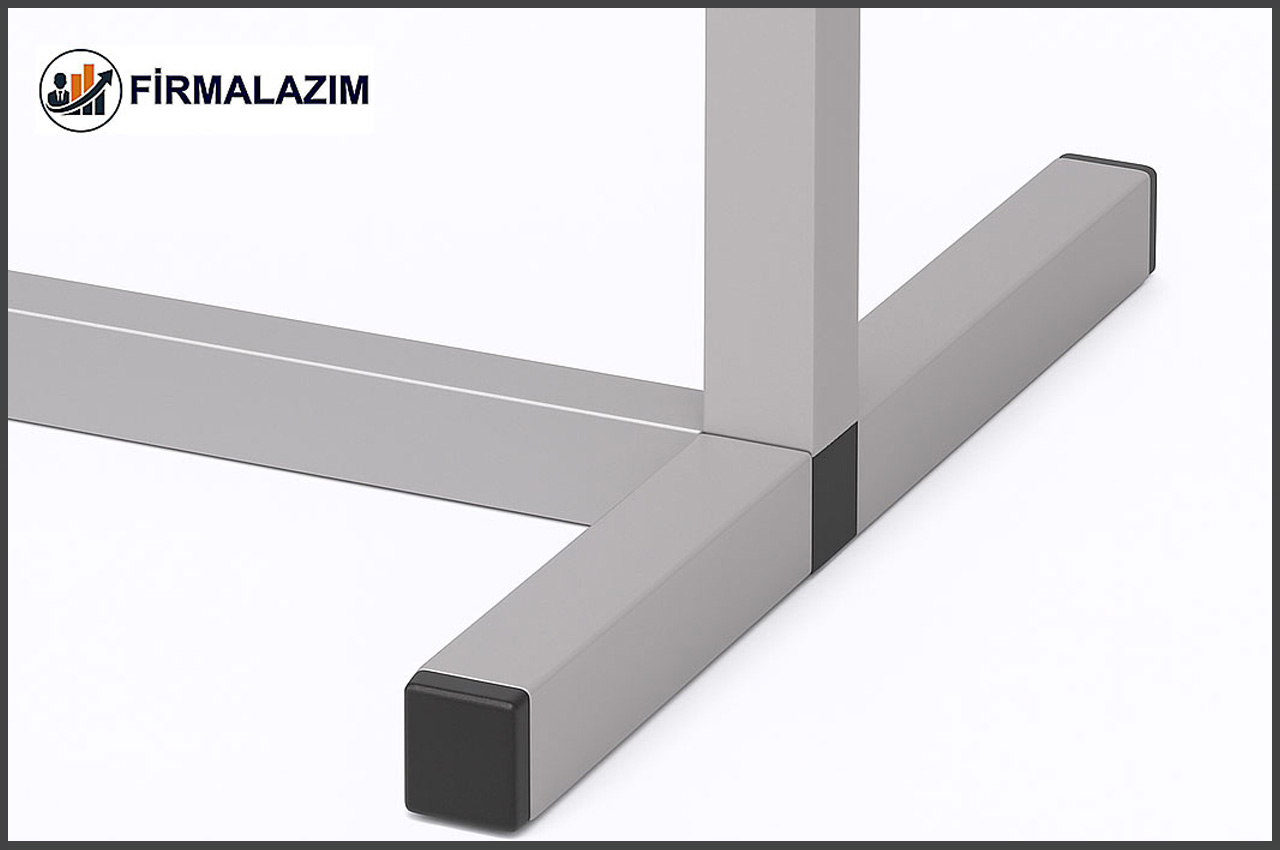
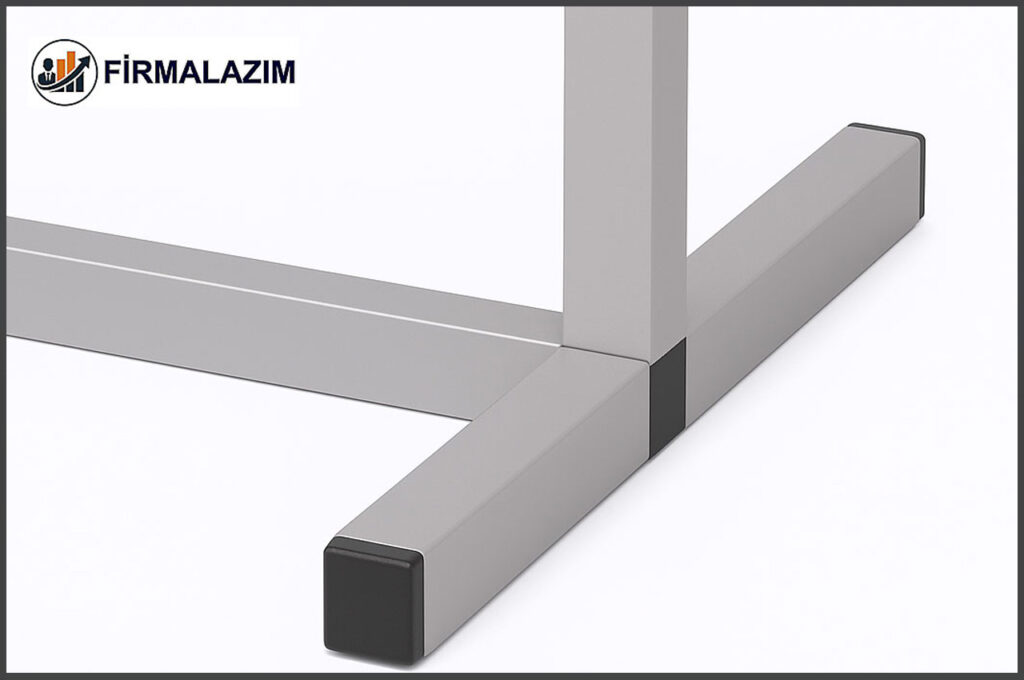
Let’s start at the basics because not everyone uses the same lingo. Square Hollow Sections (SHS) and Rectangular Hollow Sections (RHS), often called box profiles or box sections, are hollow steel tubes with square or rectangular cross-sections. Unlike round pipes, their flat sides make them perfect for welding, bolting, and fitting into structures where stability and clean lines matter.
You’ve probably seen them in building frames, scaffolding, furniture, fencing, machinery guards, or massive infrastructure like stadiums and warehouses. In the Gulf, they’re everywhere because of the non-stop construction boom—think Expo leftovers, Vision 2030 projects in Saudi, or Qatar’s ongoing developments.
Common materials include mild steel (like S235, S355), galvanized for corrosion resistance (super important in the salty, humid Gulf air), and sometimes stainless or higher-grade alloys. Thicknesses range from thin 1-2mm walls for lighter uses up to heavy 10mm+ for structural loads. Sizes? You’ll see everything from tiny 20x20mm squares for handrails to massive 400x200mm rectangles for columns and beams.
One thing I’ve noticed in practice: clients in the UAE often specify EN 10219 or EN 10210 standards for cold-formed or hot-finished sections. Always double-check the exact grade and certification your buyer needs—saving a few bucks on non-certified material can cost you the whole shipment at customs or during inspection.
Why the Gulf Region Loves These Profiles Right Now
The UAE and GCC countries are construction powerhouses. With mega-projects, diversification away from oil, and population growth, demand for structural steel stays strong. Dubai and Abu Dhabi alone have skylines that never stop changing. Saudi Arabia’s NEOM and other giga-projects need thousands of tons of these profiles.
Shipping from places like Turkey makes a lot of sense—geographical proximity, competitive pricing, and established trade routes. Turkey exported significant iron and steel volumes to the UAE, and the flow continues because quality meets price nicely.
But here’s a real-talk insight: the Gulf isn’t just buying steel; they’re buying reliability. Projects run on tight schedules. A delayed container can halt a whole site, leading to penalties. That’s why choosing the right logistics solution partner like Firmalazım matters—they understand these timelines and can coordinate so your profiles arrive when the cranes are ready.
Types and Variations You Need to Know Before Shipping
Don’t treat all box profiles the same. Variations affect packaging, weight, handling, and even which vessel or container works best.
- Square Hollow Sections (SHS): Symmetrical, great for uniform loads. Popular sizes: 50×50, 100×100, up to 300x300mm.
- Rectangular Hollow Sections (RHS): Better for directional strength, like beams. Common: 50×25, 150×100, up to 400x200mm or larger.
- Finishes: Black (untreated), pre-galvanized, hot-dip galvanized, painted, or powder-coated.
- Wall Thickness & Lengths: Standard 6m or 12m lengths. Heavier walls mean more weight per meter—critical for container load calculations.
- Specials: Perforated, with slots, or custom-cut. Aluminum versions exist too for lighter, corrosion-proof needs, though steel dominates structural work.
In my experience, Gulf buyers often want bundles strapped and wrapped to prevent damage from shifting during sea voyage. For galvanized ones, extra care avoids white rust (that powdery oxidation from moisture).
Preparing Your Shipment: Packaging, Bundling, and Best Practices
This is where many shipments go sideways. You can’t just throw profiles on a truck.
Good practice: Bundle by size and length. Use steel straps, wooden spacers, and protective corner guards. For sea freight, consider shrink-wrapping or VCI (vapor corrosion inhibitor) paper, especially for galvanized material. Mark bundles clearly with destination, batch numbers, and handling instructions.
Weight distribution matters hugely. Overloading one end of a container risks stability. Aim for even spread. If you’re shipping mixed sizes, separate them to make unloading easier at the other end.
Real example: I once saw a shipment where thin-walled profiles got crushed because heavier ones were stacked directly on top without proper dunnage. Lesson learned—always use sufficient timber supports. A good solution partner like Firmalazım will audit your packing plan before loading to avoid these costly mistakes.
Choosing the Right Shipping Method to UAE & Gulf
Most shipments go by sea. Air is only for urgent small samples or high-value specials—way too expensive for bulk steel.
Full Container Load (FCL): Best for larger volumes. 20ft or 40ft containers. A 40ft can typically hold 20-26 tons depending on profile sizes and weight.
Less than Container Load (LCL): Good for smaller test orders, but expect higher per-ton costs and more handling risk.
Breakbulk or Project Cargo: For oversized or very heavy consignments. These go on multipurpose vessels or ro-ro if vehicles are involved, but box profiles usually fit containers fine.
Routes: From Turkish ports like Izmir, Istanbul, or Mersin to Jebel Ali (Dubai), Abu Dhabi, or Dammam/Jeddah in Saudi. Transit times are usually 10-20 days, but can vary with schedules and any regional hiccups.
Pro tip: Book with carriers experienced in steel. They know how to secure cargo properly and handle documentation for GCC ports.
Key Ports in the UAE and Gulf Region
- Jebel Ali, Dubai: The big one. Massive capacity, efficient, hub for re-export. Handles most steel imports.
- Khalifa Port, Abu Dhabi: Growing fast, good for industrial projects.
- Others: Sharjah, Fujairah, and in Saudi: Jeddah Islamic Port, Dammam, King Abdullah Port.
- Qatar: Hamad Port; Kuwait: Shuwaikh; Oman: Sohar or Salalah.
Each has its quirks. Jebel Ali is super modern but can get congested during peak seasons. Plan your trucking or barge onward transport accordingly.
Customs, Regulations, and Documentation in the UAE/GCC
This section trips up newcomers. UAE has a standard 5% customs duty on CIF value for most steel products, though some reinforcing items have seen higher rates extended in the past. Always verify current HS codes—typically around 7306 for tubes and hollow profiles.
Required docs usually include:
- Commercial Invoice
- Packing List
- Certificate of Origin (very important for preferential treatment)
- Bill of Lading
- Quality/Test Certificates (EN 10204 3.1 often requested)
- Any specific approvals for structural use
GCC has harmonized some rules, but each country has nuances. Saudi has SASO standards, UAE focuses on ESMA or local approvals. VAT (5%) applies too.
Insider insight: Misdeclared weights or incomplete docs cause delays and extra storage fees that eat profits. Pre-clearance through a local agent helps a ton. Here again, a solution partner like Firmalazım who knows the ins and outs of Gulf customs can save you weeks of headaches.
Costs, Timelines, and How to Budget Realistically
Expect freight rates to fluctuate—geopolitics, fuel, and seasonal demand play roles. Recent years saw disruptions in the region affecting rates.
Breakdown:
- Product cost
- Packaging & local transport
- Ocean freight
- Insurance (always recommend all-risk for steel)
- Customs duty + VAT
- Handling, storage, onward delivery
A rough ballpark for Turkey-to-Dubai: freight might run $X per ton (check current quotes), total landed cost depends heavily on volume. Larger shipments get better rates.
Timelines: Production + loading (2-4 weeks), sea transit (1-3 weeks), clearance + delivery (3-10 days). Build in buffer—Gulf heat can slow outdoor unloading.
Challenges You’ll Face (and How to Overcome Them)
- Corrosion: Humid salty air. Galvanized + proper packing is key.
- Heat & Handling: Profiles can expand/contract; workers need care in summer.
- Documentation Errors: Double-check everything.
- Port Congestion & Geopolitics: Red Sea or Hormuz issues occasionally spike rates or reroutes.
- Quality Claims: Ensure mill certs match specs.
From experience, the biggest avoidable issue is poor communication between supplier, forwarder, and buyer. Clear contracts on Incoterms (FOB, CIF, DAP) prevent finger-pointing.
Sustainable and Future-Proof Shipping Practices
More projects demand green steel or lower-carbon options. Track your supply chain emissions—some Gulf tenders reward it. Efficient bundling reduces empty space and CO2 per ton.
Step-by-Step Checklist for Your Next Shipment
- Confirm buyer specs and standards.
- Source quality material with certs.
- Plan packaging with experts.
- Get multiple freight quotes.
- Prepare full documentation set.
- Book vessel with steel experience.
- Insure properly.
- Coordinate with local clearance agent.
- Track and communicate updates.
- Inspect on arrival.
Why Partnering with Experts Makes All the Difference
Shipping box profiles isn’t rocket science, but doing it right consistently—without surprises—takes know-how. Whether it’s navigating a sudden rate hike, handling a special oversized order, or ensuring compliance with the latest port rules, having support changes the game.
That’s exactly why many turn to a trusted solution partner like Firmalazım. They don’t just move cargo; they understand the full picture from mill to site, helping you focus on your core business while they handle the logistics complexities.
Final Thoughts and Next Steps
There you have it—a deep dive into shipping square and rectangular box profiles to the UAE and Gulf. From understanding the products and their applications to mastering logistics, customs, and real-world pitfalls, you’re now better equipped. The market is competitive, but opportunities abound for those who ship smart.
If you’re gearing up for a shipment, start by auditing your current process against this guide. Reach out to experienced players, get quotes, and don’t hesitate to lean on specialists. A solution partner like Firmalazım can provide tailored advice for your specific volumes and destinations.
Got questions on a particular size, route, or challenge? Drop a comment or reach out—these things work best when we share practical insights. Safe shipping, and may your profiles arrive straight, on time, and ready to build the next big thing in the Gulf!
Your Complete Guide to Square & Rectangular Box Profile Shipment to UAE & Gulf Region (Continued)
Hey, glad you’re still with me. Shipping steel box profiles isn’t a quick “click and ship” thing — it’s a whole process with dozens of moving parts. In the first part we covered the basics, why the Gulf needs them, types, packaging, shipping methods, ports, and customs. Now let’s go much deeper so you walk away feeling like you’ve got the full picture. No fluff, just real, usable knowledge that comes from actual shipments that succeeded… and some that taught hard lessons.
Detailed Product Specifications That Matter for Gulf Shipments
When you’re preparing square and rectangular box profiles for the UAE or other GCC countries, the devil really is in the details. Buyers there are serious about compliance because their projects face extreme conditions — scorching heat, high humidity near the coast, and occasional sandstorms.
Common grades you’ll ship:
- S235JR, S275JR, S355JR (most popular for general construction)
- Higher strength like S355J2H for structural applications
- Galvanized options (Zinc coating 275 g/m² or more is often requested)
Lengths are usually 6 meters or 12 meters, but many Gulf fabricators ask for custom cuts to reduce onsite waste. Wall thicknesses from 1.5mm up to 16mm or more. A 100x100x6mm SHS weighs roughly 17-18 kg per meter — multiply that by 6000mm and you quickly see why accurate weight calculation is crucial for container booking.
One practical tip I always share: Get your mill to provide EN 10204 3.1 or 3.2 material certificates. Many consultants in Dubai and Riyadh won’t even look at your material without them. If you’re shipping galvanized profiles, make sure the coating test reports are included. I’ve seen shipments rejected at Jebel Ali just because the zinc thickness was 10% below spec.
Firmalazım works as a reliable solution partner here — they can coordinate directly with Turkish mills to ensure every bundle matches the exact specification your Gulf client expects.
Advanced Packaging and Loading Techniques
Basic bundling is not enough for long sea journeys. Let me give you the real professional approach.
Use strong steel strapping (not plastic for heavy profiles) at multiple points. Place wooden dunnage every 1.5–2 meters to keep bundles stable and allow forklift access. For mixed shipments, create separate bundles and label them clearly: “SHS 100x100x6 – 12m – Batch A – Dubai Project XYZ”.
Galvanized material needs extra love. Use VCI film or paper between layers and silica gel packs inside containers if humidity is a concern. Corner protectors prevent strapping from damaging the edges. Some experienced shippers even use special edge boards made from recycled plastic.
Container loading secrets:
- Never exceed 28 tons gross for 40ft HC when shipping to UAE (port limits and road regulations apply).
- Distribute weight evenly — 60/40 bias toward the door side can cause problems during handling.
- Block and brace properly using timber and airbags for longer lengths.
- Take photos and videos of the loading process — this has saved many disputes.
I remember one shipment where improper bracing caused thin-walled RHS to telescope into each other during rough weather. Cost? Several thousand dollars in claims. A good solution partner like Firmalazım will usually send an experienced supervisor or at least provide a detailed loading plan checklist.
Incoterms: Which One Should You Choose?
This topic alone can save or cost you serious money.
- FOB Turkish Port: You handle up to loading on the vessel. Buyer takes responsibility afterward. Good if your client has their own forwarder they trust.
- CIF Jebel Ali: You pay freight and insurance to the destination port. Very common for Gulf shipments because buyers like predictability.
- DAP / DDP: Door-to-door. DDP is attractive for smaller buyers who don’t want customs hassle, but you take on more risk and cost. Make sure you understand local VAT and clearance fees before quoting DDP.
My personal recommendation for most square/rectangular box profile shipments: Start with CIF unless the buyer specifically requests something else. It gives you more control over the carrier choice and reduces the chance of the cargo sitting in the port because of buyer-side delays.
Insurance – Don’t Skip This Step
Steel profiles might look tough, but they can get damaged. Institute Cargo Clauses (A) is the way to go for all-risk coverage. Make sure the policy covers rust, deformation, and shortage. For high-value or galvanized shipments, consider additional “sweat and heat” clauses because temperature changes in the Persian Gulf can be brutal.
Always declare the correct value. Under-insuring to save premium is a false economy — I’ve seen people lose 30-40% of shipment value because of this.
Country-by-Country Guide for the Gulf Region
United Arab Emirates (UAE)
The most common destination. Jebel Ali is incredibly efficient but busy. Expect 5% customs duty on most hollow sections. ESMA and local municipality approvals may be needed for construction-grade material. Dubai and Abu Dhabi projects move fast — your cargo needs to arrive exactly when promised.
Saudi Arabia
Vision 2030 means massive demand. SASO certification is mandatory for many steel products. Clearance can take longer than in UAE, especially in Dammam or Jeddah. Road transport inside KSA has strict weight limits — plan your onward trucking carefully.
Qatar
Hamad Port is modern. They focus heavily on quality and sustainability. Some projects prefer materials with low carbon footprint. Documentation must be perfect — they are strict on traceability.
Other GCC (Kuwait, Oman, Bahrain)
Smaller volumes but still important. Oman is growing as a logistics hub. Each has its own standards but generally accepts UAE or Saudi approvals as reference.
A solid solution partner like Firmalazım keeps updated databases on all these requirements so you don’t have to chase changing regulations every few months.
Cost Optimization Strategies That Actually Work
Freight rates change weekly. Here are proven ways to lower your landed cost:
- Consolidate orders — bigger volume means better container utilization and lower per-ton freight.
- Book 4-6 weeks in advance when possible.
- Consider seasonal timing — avoid peak summer when construction slows in some areas.
- Optimize packaging to reduce wasted space (mix sizes cleverly but safely).
- Negotiate with mills for longer production runs and better pricing.
- Use multi-modal options where road + sea makes sense.
Real example: One client reduced total cost by 12% just by switching from 20ft to 40ft containers and adjusting bundle lengths slightly.
Tracking, Technology, and Communication
Gone are the days of “I hope it arrives.” Modern forwarders provide real-time container tracking, temperature/humidity monitoring for sensitive loads, and regular photo updates. Ask for WhatsApp or dedicated portal updates — it keeps your client calm and builds trust.
Common Mistakes That Kill Margins (Learn From Others)
- Wrong HS code leading to higher duties or delays
- Insufficient bundling causing damage claims
- Missing Certificate of Origin (Form A or EUR.1 when applicable)
- Underestimating clearance time in Ramadan period
- Poor weight distribution resulting in container imbalance fees
- Not accounting for demurrage risks at busy ports
Future Trends in Box Profile Shipping to GCC
Sustainability is growing fast. Many big contractors now ask for EPD (Environmental Product Declaration) for steel. Expect more demand for recycled-content material and lower-emission production.
Digitalization is coming — blockchain-based traceability for material certificates is already being tested in some big projects. Larger shipments may move toward project cargo vessels for oversized sections used in stadiums or bridges.
Step-by-Step Practical Checklist (Expanded Version)
Before production:
- Confirm exact technical specs and standards with end buyer
- Agree on Incoterms and delivery timeline
- Get written confirmation on required certifications
During production:
- Regular quality checks
- Prepare full documentation package early
Loading phase:
- Supervised stuffing
- Detailed photos and packing list
- Container seal recording
After departure:
- Share tracking details immediately
- Prepare local agent in destination country
- Follow up on expected arrival
On arrival:
- Pre-arrange inspection if needed
- Clear customs promptly
- Arrange safe unloading and storage
Why You Need a Trusted Solution Partner
Look, you can try handling everything yourself — many people do. But when you’re dealing with thousands of tons, multiple countries, changing port rules, and tight project deadlines, having expert support makes everything smoother and more profitable.
This is where Firmalazım acts as your solution partner. They understand both the Turkish supply side and the Gulf demand side. From mill coordination to final delivery, they help remove the headaches so you can focus on selling and growing your business.
Whether it’s a first-time small test shipment or a long-term contract supplying multiple projects across the Emirates and Saudi, working with experienced hands reduces risk dramatically.
Shipping square and rectangular box profiles to the UAE and broader Gulf region can be highly rewarding when done right. The region’s construction appetite shows no signs of slowing down. With the right knowledge, preparation, and partners, you can deliver quality material on time and build strong, long-term relationships.
Take this guide as your starting reference. Review your current processes against what we covered. Calculate your next shipment carefully. And if you want someone who lives and breathes these logistics daily, reach out to a proven solution partner like Firmalazım — they’ve helped many companies just like yours succeed in this market.
Got a specific size range, project deadline, or challenge in mind? Feel free to share details. The more specific you are, the better advice you’ll get. Safe travels to your steel, and here’s to many successful deliveries across the Gulf!

Bir yanıt yazın