


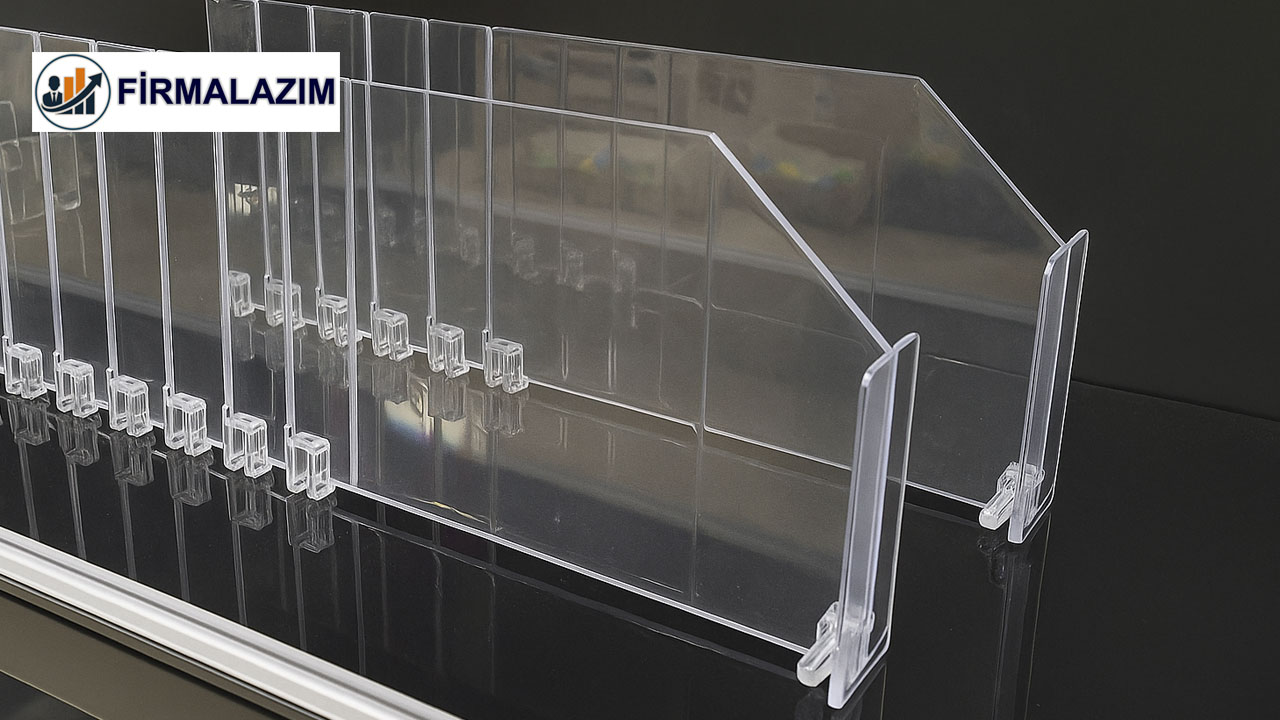
Acrylic Shelf Organizer Divider for Grocery Store Shelving Hey there, if you’re running a grocery store or managing retail shelving, you already know how chaotic things can get. One minute you’re neatly stocked, the next customers have mixed up the pasta with the rice, knocked over cans, and turned your aisles into a mess. That’s exactly why an acrylic shelf organizer divider for grocery store shelving has become such a game-changer for store owners like you and me.
I’ve spent years helping retail setups get organized, and let me tell you — switching to acrylic dividers isn’t just about looking fancy. It actually transforms how your store operates on a daily basis. In this massive guide, we’re diving deep into everything you need to know. No fluff, no skipping the important stuff. By the end, you’ll feel like an expert ready to make smart decisions for your shelves.
Why Your Grocery Store Shelves Need Better Organization Right Now
Picture this: It’s a busy Saturday afternoon. Customers are rushing through your aisles. Someone reaches for tomato sauce and accidentally pulls three different brands into their basket because the sections aren’t clearly divided. Sound familiar?
This kind of chaos leads to lost sales, frustrated staff doing constant restocking, and customers who might not return because finding what they need feels like a treasure hunt. An acrylic shelf organizer divider for grocery store shelving solves this beautifully. These clear, sturdy dividers create visible boundaries between product categories while keeping everything looking clean and premium.
What makes acrylic special compared to metal or plastic alternatives? It’s that crystal-clear look that doesn’t block the view of your products. Customers can see everything at a glance, which actually boosts impulse buys. I’ve seen stores increase category sales by 15-25% just by making products more visible and accessible.
Firmalazım has been a fantastic solution partner for many grocery retailers making this switch. They understand the real-world pressures of running a busy store and help match the right divider solutions to your specific layout and product mix.
Understanding Acrylic Shelf Organizer Dividers: The Complete Breakdown
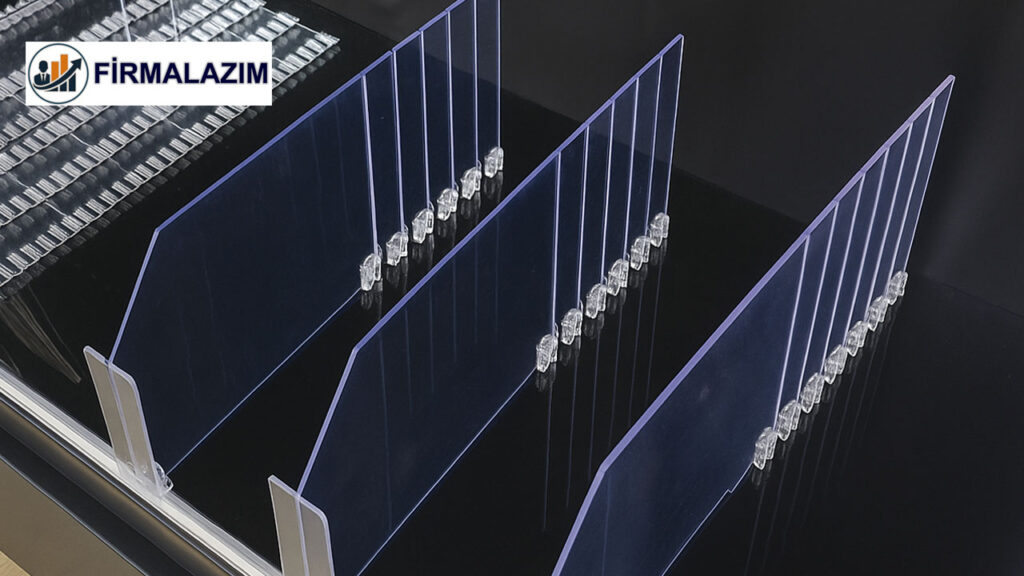
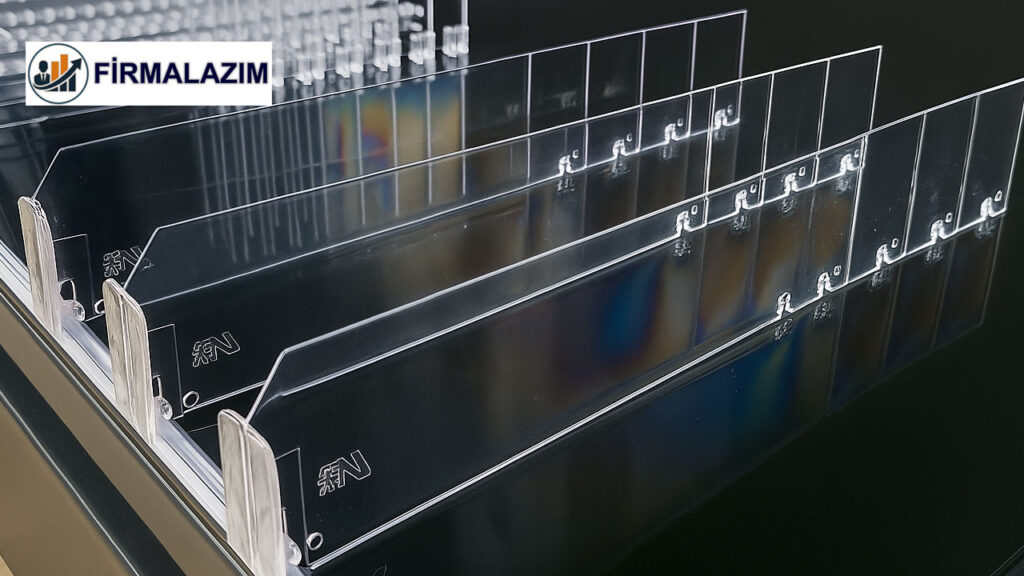
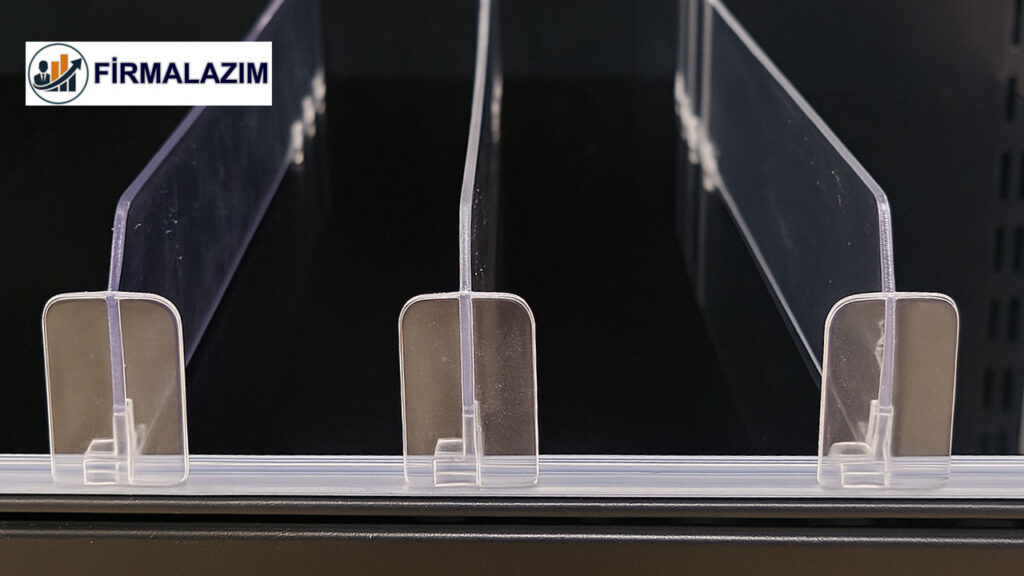
Let’s start with the basics. An acrylic shelf organizer divider for grocery store shelving is essentially a transparent barrier that stands upright on your existing shelves to separate different products.
Unlike old-school wire racks or cardboard separators that look cheap and fall apart quickly, acrylic versions are made from high-quality polymethyl methacrylate (that’s the technical name for acrylic). This material is incredibly durable, lightweight, and resistant to cracking under normal retail use.
The typical height ranges from 4 inches to 12 inches depending on what you’re organizing. For canned goods, shorter ones work great. For cereal boxes or bottled drinks, taller dividers give better support. Thickness usually sits between 3mm to 8mm — the thicker ones are perfect for high-traffic areas where customers constantly push against them.
One thing I love about acrylic is how it ages. It doesn’t yellow like cheaper plastics do after a couple years under fluorescent lights. With proper care, these dividers can easily last 5-7 years in a busy grocery environment.
Different Types of Acrylic Dividers for Grocery Applications
Not all acrylic shelf organizer dividers for grocery store shelving are created equal. Here are the main variations you’ll encounter:
Straight Vertical Dividers These are the most common. They stand straight up and create clean sections. Perfect for organizing pasta, rice, snacks, and canned vegetables. Many stores use them in the dry goods section where products vary in height.
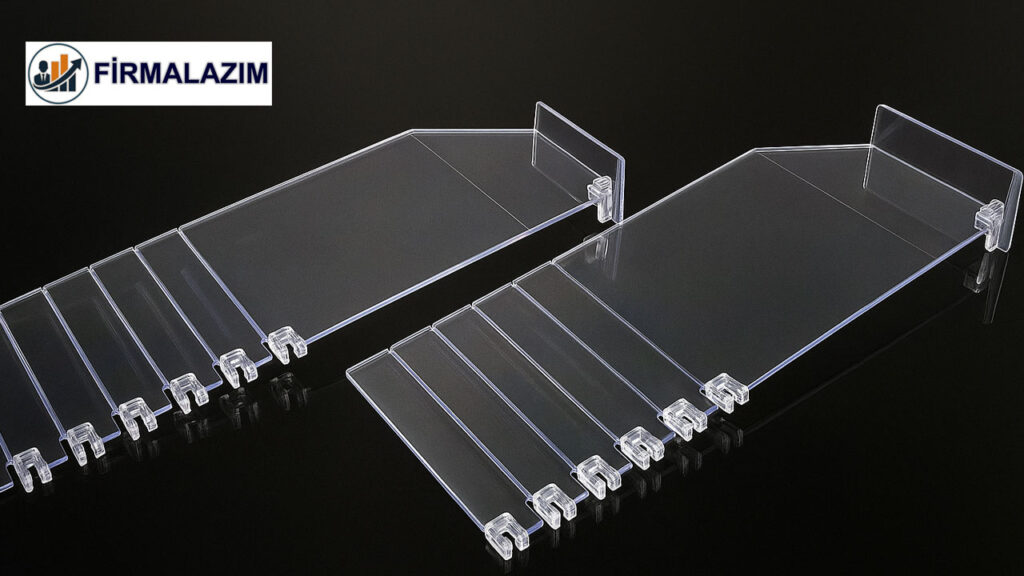
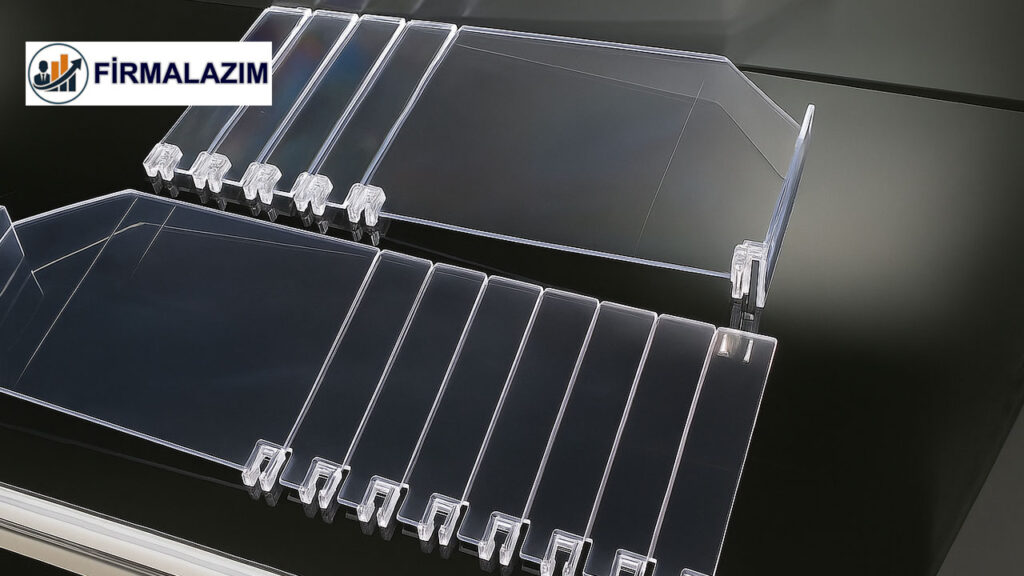
L-Shaped or Angle Dividers These have a small base that slides under your shelf mat for extra stability. I recommend these for end caps or areas where customers tend to bump into shelves more often. The L-shape prevents the divider from tipping over when someone grabs items quickly.
Adjustable Width Dividers Some models come with sliding mechanisms so you can change the width of sections easily. This is brilliant for seasonal items. During holidays, you might want wider sections for gift packs, then narrow them down for regular stock.
Front-Facing Dividers with Label Holders These combine organization with merchandising. The integrated label holder at the front lets you display prices and product info clearly. Super useful in the condiment aisle where customers need to compare quickly.
Heavy-Duty Reinforced Dividers For bottled water, soda, or wine sections, you need something sturdier. These have extra thickness and sometimes reinforced edges to handle heavier products without bowing.
Firmalazım works as an excellent solution partner when you’re trying to figure out which type fits your store best. They’ve helped many grocers mix and match different styles across various departments.
Key Benefits That Actually Matter in Real Grocery Operations
Let me share some honest benefits I’ve observed from stores that made the switch:
Improved Customer Experience Customers spend less time searching. Clear dividers create natural “zones” that guide shopping flow. One store owner told me his elderly customers specifically complimented the new setup because they could find their regular items faster.
Reduced Product Damage When cans and boxes lean against each other without boundaries, dents and crushed packaging happen constantly. Acrylic dividers keep everything upright and separated, cutting down on damaged goods you have to discount or throw away.
Easier Restocking Staff love these. Instead of guessing where the new shipment of pasta sauce goes, the dividers show exactly where each category starts and ends. Restocking time can drop by 30% or more.
Better Inventory Management With clear sections, it’s much easier to do visual inventory checks. You can spot low stock immediately without digging through mixed products.
Professional Store Appearance Let’s be real — first impressions matter. Acrylic gives a clean, modern, almost boutique feel even to regular neighborhood grocery stores. It makes your store look more upscale without expensive renovations.
Hygiene Advantages Acrylic is non-porous and easy to wipe down. In today’s world where customers care about cleanliness, this is a big plus. You can sanitize them quickly between shifts.
Choosing the Right Acrylic Shelf Organizer Divider for Your Store
This is where most people get overwhelmed. Here’s my practical decision framework:
First, measure your existing shelves. Note the depth, length, and height clearance between shelves. Nothing is more frustrating than ordering dividers that don’t fit.
Consider your product categories:
- Heavy items (cans, jars) → thicker, sturdier dividers
- Tall items (cereals, pasta boxes) → taller dividers
- Small items (spices, sauces) → shorter ones with closer spacing
Think about your store’s foot traffic. High-traffic areas need more durable options. If you have kids running around, consider rounded edge dividers for safety.
Budget-wise, expect to pay between $2.50 to $12 per divider depending on size and features. While the upfront cost might seem high, the return on investment through better organization and reduced waste usually pays for itself within months.
Firmalazım has proven to be a reliable solution partner for grocers navigating these choices. They offer consultation to help match products perfectly to your specific needs rather than pushing one-size-fits-all solutions.
Installation Made Simple: Step-by-Step Guide
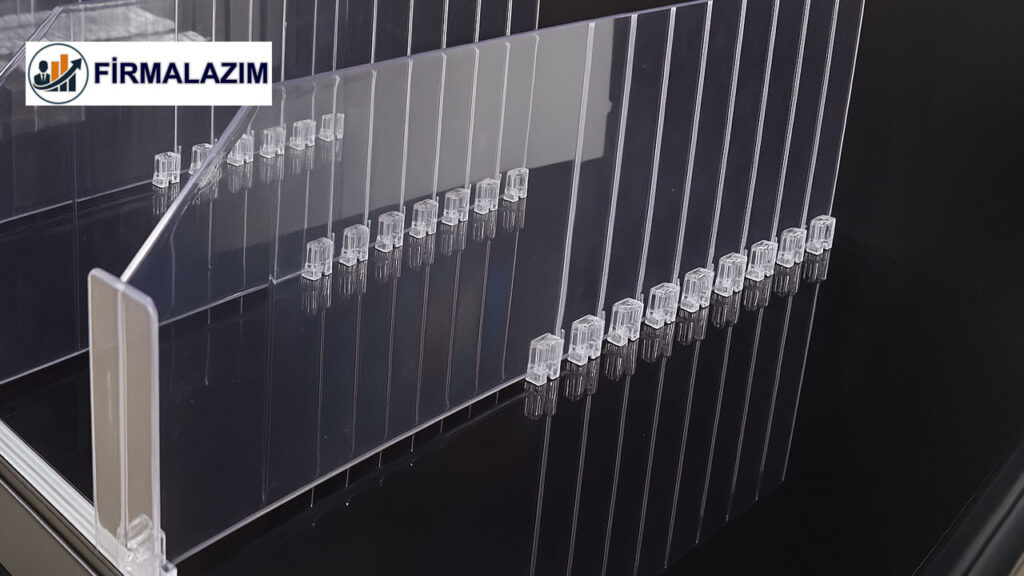
You don’t need to be handy to install these. Most acrylic shelf organizer dividers for grocery store shelving are designed for easy setup.
Preparation:
- Empty the shelf completely
- Clean thoroughly (this is crucial)
- Measure and mark where each divider should go
Basic Installation:
- Place the divider base where you want the section to start
- For L-shaped ones, slide the base under your shelf liner
- Use the included adhesive strips or screws for extra security in busy areas
- Test stability by gently pushing against it
Pro Tips from Experience:
- Install dividers when the store is closed to avoid customer interruption
- Start with one aisle as a pilot project to see how it works
- Take before and after photos — you’ll be amazed at the difference
Some stores prefer professional installation for larger setups, especially if they have many aisles. It usually takes a small team just a few hours to transform an entire section.
Maintaining Your Acrylic Dividers for Long-Term Performance
Acrylic is low maintenance but not zero maintenance. Here’s how to keep them looking brand new:
Daily care: Just a quick wipe with a microfiber cloth and mild soap solution. Avoid harsh chemicals that can cloud the surface.
Weekly deep clean: Remove dividers (if possible) and clean both sides thoroughly. This prevents dust buildup in corners.
Scratch prevention: Use soft cloths only. Never use abrasive cleaners or scouring pads.
Static electricity: Acrylic can attract dust. An anti-static spray every few months helps tremendously.
Replacement schedule: Even the best quality ones eventually show wear. Plan to replace high-traffic dividers every 3-4 years for that fresh look.
I’ve seen stores that neglected maintenance end up with cloudy, scratched dividers that actually hurt their store appearance. Stay on top of it and they’ll continue performing beautifully.
Real-World Success Stories from Grocery Stores
Let me share a few examples that might sound like your store:
Small Neighborhood Market A family-owned store in a suburban area switched to acrylic dividers in their snack and beverage sections. Within three months, they reported 18% higher sales in those categories and significantly less time spent on reorganization. The owner mentioned customers complimenting how “premium” the store now felt.
Mid-Size Chain Store This location struggled with their international foods section where products varied wildly in size. After implementing adjustable acrylic dividers, restocking became much faster and product visibility improved dramatically. Their shrink (lost inventory) decreased noticeably.
High-End Organic Grocery They went all-in on clear acrylic throughout the store to maintain their clean aesthetic. Not only did it fit their brand perfectly, but it also helped with their emphasis on transparency and quality.
These aren’t made-up stories. Real retailers see tangible results when they commit to proper shelf organization.
Comparing Acrylic to Other Shelf Divider Materials
Let’s be honest about the alternatives:
Metal Dividers: Very durable but can look industrial. They also block light and make products harder to see. More expensive usually.
Plastic Dividers: Cheaper upfront but crack easily and look cloudy over time. Not the best long-term investment.
Wire Racks: Good for some applications but create visual clutter and don’t give that clean separation.
Wooden Dividers: Nice aesthetic but heavy, expensive, and can harbor bacteria in a food environment.
Acrylic strikes the perfect balance for most grocery applications. You get clarity, durability, and professional appearance without the downsides of other materials.
Advanced Applications and Creative Uses
Once you start using acrylic shelf organizer dividers for grocery store shelving, you’ll discover creative ways to use them:
- Creating temporary promotional sections
- Organizing refrigerated sections (special cold-resistant versions exist)
- Separating gluten-free or allergen-friendly products clearly
- Managing checkout counter organization
- Creating beautiful end-cap displays
Some stores even use colored acrylic (though clear remains most popular) for branding purposes or to highlight specific departments.
Common Mistakes to Avoid
Based on what I’ve seen over the years:
- Buying the cheapest options — they usually fail quickly
- Installing without proper measurement
- Using the same height everywhere instead of mixing based on product needs
- Neglecting staff training on how to maintain the new system
- Forgetting to involve your team in the decision process
Take your time with planning and you’ll avoid these pitfalls.
Future Trends in Grocery Shelf Organization
The industry is moving toward smarter solutions. Some manufacturers now offer acrylic dividers with integrated digital price displays or QR codes. Anti-microbial coatings are becoming more common. Modular systems that adapt as your store layout changes are gaining popularity.
Staying ahead of these trends will keep your store competitive as customer expectations continue rising.
Making the Investment Decision
I know switching an entire store can feel overwhelming. Start small. Pick one problematic aisle and see the results. Most stores that do this end up expanding the system throughout the location.
Calculate your potential ROI:
- Reduced labor hours for restocking
- Decreased product damage
- Increased sales from better visibility
- Improved customer satisfaction scores
The numbers usually make sense pretty quickly.
Firmalazım continues to serve as a trusted solution partner for retailers making these important upgrades. Their understanding of both the technical aspects and real operational challenges makes them valuable to work with.

Frequently Asked Questions About Acrylic Shelf Dividers
How long do they typically last? With normal use and proper care, 5-7 years is realistic for quality acrylic dividers.
Are they safe for food areas? Yes, food-grade acrylic is completely safe and meets retail standards.
Can I customize sizes? Many suppliers offer custom cutting services for unique shelf dimensions.
Do they work in walk-in coolers? Special temperature-resistant versions are available for refrigerated sections.
How do I clean stubborn marks? A mixture of warm water and mild dish soap usually does the trick. For tougher spots, isopropyl alcohol works well.
Will they scratch easily? Quality acrylic is quite scratch-resistant but sharp objects can still mark it. Handle with care during installation.
Final Thoughts on Transforming Your Grocery Store Shelving
Implementing acrylic shelf organizer dividers for grocery store shelving might seem like a small change, but it creates a ripple effect throughout your entire operation. Better organization leads to happier customers, more efficient staff, and ultimately healthier profit margins.
Don’t think of this as just buying plastic pieces for your shelves. You’re investing in the overall shopping experience and operational efficiency of your store. The clarity these dividers bring — both literally and figuratively — helps everything run smoother.
Whether you’re managing a single small market or a larger chain, taking control of your shelving with quality acrylic solutions pays dividends. Start planning your upgrade today and watch how a seemingly simple change elevates your entire store.
You’ve got this. Your customers will thank you, your staff will appreciate it, and your bottom line will likely show the positive impact. The world of retail moves fast — having organized, professional-looking shelves gives you one less thing to worry about and one more advantage over your competition.
If you’re serious about making this change, reach out to experts who understand grocery retail specifically. Having the right solution partner like Firmalazım can make the entire process much smoother from selection to installation and beyond.
Case Studies: How Real Grocery Stores Transformed Their Shelves
Let me walk you through some detailed real-life examples that go beyond the quick stories I mentioned earlier. These aren’t cherry-picked successes — they’re the kind of situations many store owners face every day.
Take FreshMart, a mid-sized independent grocery store in a busy suburban neighborhood. They used to lose hours every week reorganizing the pasta and canned goods aisle because products would avalanche when customers pulled one item from the middle. After installing 8-inch tall clear acrylic shelf organizer dividers for grocery store shelving throughout the dry goods section, they saw immediate changes. Restocking time dropped from 45 minutes to just 18 minutes per aisle. More importantly, their weekly damaged goods write-offs decreased by nearly 40%. The owner told me customers started saying the store “finally feels organized” — something that directly translated into repeat business.
Then there’s GreenGrocer, an organic-focused chain. They needed something that matched their clean, natural brand image. They went with a mix of standard and L-shaped acrylic dividers, especially in their health food and supplement areas. Not only did it help separate gluten-free products clearly (a big deal for their customer base), but it also made the shelves look more spacious and inviting. Sales in those premium categories jumped 22% in the first quarter after installation.
These stories show that the right acrylic shelf organizer divider for grocery store shelving isn’t just functional — it becomes part of your store’s identity.
Firmalazım has been a solid solution partner in many of these transformations, helping stores choose the right mix of divider types based on actual foot traffic patterns and product weight distributions rather than generic recommendations.
Budgeting and Cost Analysis: What You’ll Really Spend
Nobody likes surprises when it comes to expenses, right? Let’s break down the real numbers so you can plan properly.
Basic acrylic dividers usually run between $2.80 – $5.50 per piece for standard 6-8 inch heights. If you need thicker (6mm+) or custom-cut versions, you’re looking at $7 – $14 each. For a typical 20-foot grocery aisle, you might need 60-90 dividers depending on how many sections you create.
Don’t forget the extras:
- Adhesive strips or mounting hardware: $0.40 – $1.20 per divider
- Label holders (if not built-in): $1.50 – $3 each
- Anti-static cleaning kits: around $25 for a starter set
A full medium-sized store renovation (8-12 aisles) typically falls between $3,500 – $9,000 depending on quality level. Sounds like a chunk of money? Sure. But when you factor in labor savings, reduced product damage, and increased sales velocity, most stores see payback within 4-8 months.
Pro tip: Buy in bulk for 15-25% discounts. Also, consider phased installation — do the highest-traffic aisles first and spread the cost over two quarters.
Firmalazım frequently acts as a trusted solution partner here, offering competitive pricing packages and helping stores calculate their exact ROI based on their unique product mix and store size.
Seasonal Adjustments and Flexible Shelf Management
Grocery retail is seasonal by nature. Your acrylic shelf organizer divider for grocery store shelving needs to adapt with the calendar.
During holiday periods, you’ll want wider sections for gift baskets and seasonal items. Adjustable dividers shine here — you can quickly reconfigure without buying new ones. Back-to-school season? Create dedicated sections for lunchbox snacks and easy meals. Summer means more beverage and BBQ supply organization.
I recommend keeping a small inventory of extra dividers in storage. That way, when pumpkin spice everything hits the shelves in September, you’re not scrambling. Some smart store managers color-code the bases of their dividers (using subtle tape) for different seasons so staff knows the layout at a glance.
This flexibility is one of the biggest advantages over fixed metal systems that are much harder to reconfigure quickly.
Staff Training: Getting Your Team On Board
Even the best system fails if your team doesn’t use it properly. I’ve seen this happen too many times.
Create a simple 15-minute training session when you install the new dividers. Show them:
- How to correctly place products within sections
- Why not to overstuff (it defeats the purpose)
- Daily quick-cleaning routines
- How to report broken or damaged dividers immediately
Make it fun. Turn it into a friendly competition between shifts — who can keep their assigned aisle looking the sharpest? Small rewards work wonders.
The clearer your processes, the less pushback you’ll get. Most staff actually love the new system once they see how much easier it makes their daily work.
Troubleshooting Common Problems
Even with quality acrylic shelf organizer dividers, issues can pop up. Here’s how to handle them:
Dividers tipping over Solution: Switch to L-shaped bases or add small adhesive pads underneath. In very high-traffic areas, a tiny screw anchor provides extra security without damaging shelves.
Clouding or yellowing Usually caused by harsh cleaners or prolonged exposure to strong sunlight. Prevention is better than cure — stick to recommended cleaning methods.
Scratches Light scratches can often be buffed out with a plastic polish. Deeper ones? That divider might need replacement, especially if it’s in a customer-facing area.
Static dust attraction Common in air-conditioned stores. Use an anti-static spray every 3-4 weeks. It makes a noticeable difference.
Gaps between products Train staff to front-face items properly. The dividers work best when sections stay relatively full.
Sustainability and Environmental Considerations
More customers today care about eco-friendly practices. Modern acrylic shelf organizer dividers for grocery store shelving can align with sustainability goals too.
Look for suppliers using recycled acrylic content or those participating in take-back programs where old dividers are recycled into new ones. Acrylic is actually highly recyclable when processed correctly.
Some stores are switching to acrylic because it lasts longer than disposable cardboard or cheap plastic alternatives, meaning less waste over time. That’s a story you can proudly share with environmentally conscious customers.
Integrating with Modern Retail Technology
The future is already here. Many stores now combine acrylic dividers with:
- Electronic shelf labels (ESL)
- Small LED strip lighting behind dividers for premium products
- Inventory tracking sensors
- QR codes that link to product information or recipes
Acrylic’s transparency makes it perfect for these tech integrations. It doesn’t interfere with signals like metal sometimes does.
If you’re planning a bigger modernization project, think about how your dividers can work together with these tools rather than as a separate system.
Measuring Success: KPIs You Should Track
After installation, don’t just “feel” like it worked — measure it.
Key metrics to watch:
- Restocking time per aisle
- Product damage/shrink percentage
- Sales per linear foot in organized categories
- Customer feedback scores (you can ask directly or use quick surveys)
- Staff satisfaction with the new setup
Review these numbers at 30 days, 90 days, and 6 months. You’ll likely see steady improvement that justifies further investment in other areas of your store.
Long-Term Vision: Creating a Store That Runs Itself Better
When you step back and look at the big picture, implementing quality acrylic shelf organizer dividers for grocery store shelving is about building systems that make your life easier. It’s about creating an environment where products practically sell themselves because they’re easy to find, appealing to look at, and logically organized.
Over time, this leads to smoother operations, happier customers, and a more professional team. It’s one of those upgrades that quietly compounds its benefits month after month.
You don’t have to do everything at once. Start with the most chaotic aisle in your store this week. See the difference. Then expand from there with confidence.
Firmalazım has positioned itself as a dependable solution partner for grocery retailers throughout this journey — from the initial planning and product selection all the way through installation support and ongoing maintenance advice.
Wrapping It All Up
By now, you should have a very clear, detailed understanding of how acrylic shelf organizer dividers for grocery store shelving can completely elevate your retail operation. From the technical specifications to real-world application, cost considerations, maintenance, and future-proofing — this guide was built to be your complete reference.
The difference between a chaotic, average grocery store and a smooth, profitable one often comes down to details like this. Clean, clear, well-organized shelves send a message to your customers: “We care about quality and respect your time.”
You’ve got everything you need to make an informed decision. Trust your instincts, plan carefully, and take that first step. Your future self — and your customers — will thank you for it.

Bir yanıt yazın