


Box Profile Solutions for the Saudi Arabia Market Hey there, if you’re involved in construction, industrial projects, or infrastructure development in Saudi Arabia right now, you already know how critical the right materials are. The Kingdom is booming under Vision 2030, with massive projects popping up everywhere from NEOM to Riyadh’s entertainment districts and Jubail’s industrial expansions. In the middle of all this, high-quality steel box profile solutions for the Saudi Arabia market have become essential. They’re not just another building component—they’re the backbone that provides strength, precision, and longevity in a harsh desert environment where heat, sand, and ambitious timelines test everything.
I’ve seen projects where the wrong choice in profiles led to costly delays or maintenance headaches years down the line. That’s why I’m diving deep into this topic today. Whether you’re a project manager, engineer, contractor, or someone just exploring options for a big build, this guide is for you. We’ll cover everything from the basics to the nitty-gritty details that make the difference between a good project and an outstanding one. And throughout, I’ll share real-world insights from the Saudi context.
Understanding Steel Box Profiles: The Fundamentals
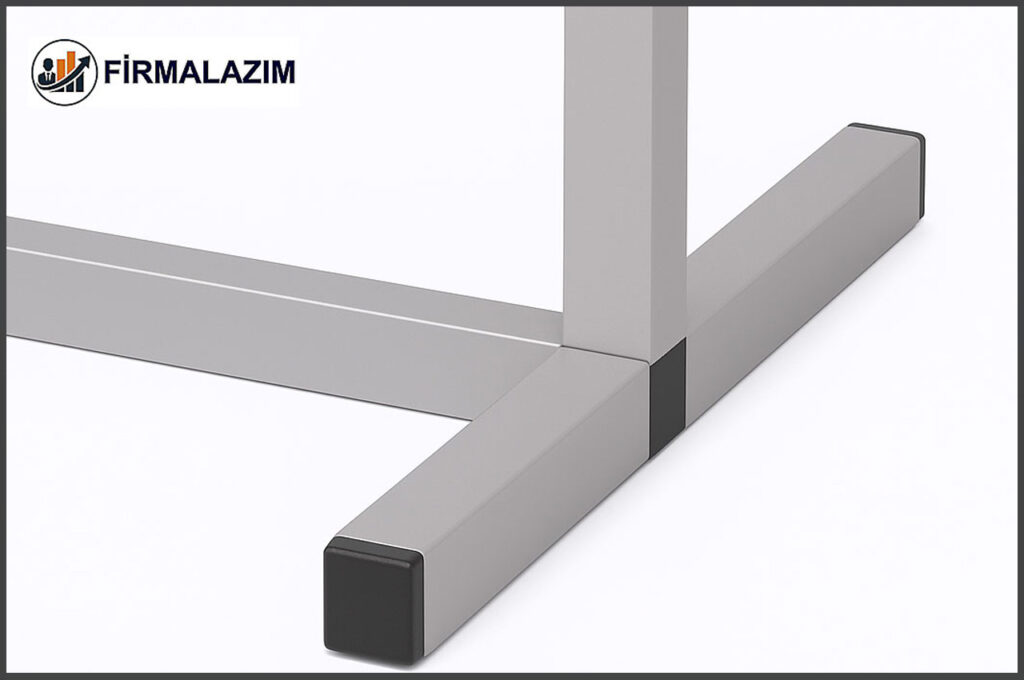
Let’s start simple. Steel box profiles, also known as square hollow sections (SHS) or rectangular hollow sections (RHS), are closed structural steel tubes with square or rectangular cross-sections. Unlike open channels or I-beams, their closed shape gives them excellent torsional resistance and a high strength-to-weight ratio.
Imagine a sturdy frame for a warehouse or the support structure in a high-rise. These profiles distribute loads evenly and resist twisting forces beautifully. In Saudi Arabia’s market, where temperatures can swing wildly and projects demand speed without sacrificing safety, this matters a lot.
The manufacturing process typically begins with high-grade steel coils or plates. Sheets are formed into the desired shape through cold-forming or hot-rolling, then welded along the seam (often using high-frequency induction or submerged arc welding for larger sizes). Quality manufacturers go further with precise control over wall thickness, corner radii, and straightness.
What makes them “high-quality”? It’s the combination of raw material purity, dimensional accuracy, surface finish, and compliance with rigorous standards. In the Kingdom, that often means meeting or exceeding SASO technical regulations for building materials, particularly Part 1 covering metals and alloys.
Why High-Quality Matters in the Saudi Arabian Context
Saudi Arabia isn’t your average construction market. The climate is unforgiving—intense UV, temperature extremes up to 50°C, and abrasive sandstorms. Cheap imports might look tempting on paper, but they often corrode faster or fail to meet local seismic and load requirements.
High-quality steel box profiles offer superior corrosion resistance through proper galvanization, better coatings, or the use of weathering steel variants. They maintain structural integrity longer, reducing lifecycle costs. Think about it: in a mega-project like those under Vision 2030, even a small percentage of material failure can translate into millions in overruns.
I’ve talked to engineers working on oil & gas facilities who swear by premium profiles because downtime in those environments is incredibly expensive. One contact in the Eastern Province mentioned how switching to higher-grade box sections cut their maintenance schedule by nearly 40% over five years. That’s the kind of real-world payoff we’re talking about.
Key Advantages of Premium Steel Box Profiles
Let me break down why these solutions stand out:
- Structural Efficiency: Higher moment of inertia means better load-bearing with less material. Perfect for long spans in warehouses or stadiums.
- Aesthetic Versatility: Clean lines make them ideal for visible architectural elements in modern Saudi designs.
- Fabrication Ease: They weld, drill, and connect beautifully, speeding up on-site assembly.
- Sustainability Edge: Longer life means less replacement, aligning with Saudi green building initiatives.
- Fire Resistance: When properly designed, they perform well in fire scenarios common in industrial settings.
In the Saudi market, these advantages compound because of the push for local content (IKTVA) and faster project delivery.
Applications Across Saudi Industries
High-quality steel box profile solutions for the Saudi Arabia market shine in diverse sectors. Let’s explore them one by one.
Construction and Infrastructure
From residential compounds to commercial towers and massive public projects, box profiles are everywhere. In pre-engineered buildings (PEBs), they form the primary framing. In high-rises, they serve as columns or bracing. The speed of erection is a huge plus when you’re racing against tight Vision 2030 deadlines.
Picture the entertainment cities or sports venues—those retractable roofs and complex trusses often rely on tubular hollow sections for their strength and lighter weight.
Oil, Gas, and Petrochemicals
This sector still dominates. Platforms, pipe racks, skids, and support structures in Jubail and Yanbu demand profiles that handle corrosive environments and heavy dynamic loads. High-quality galvanizing or specialized coatings are non-negotiable here.
Renewable Energy Projects
As Saudi Arabia ramps up solar and wind, tracker structures, mounting systems, and substation frames use box profiles extensively. The lightweight yet robust nature helps in vast desert arrays where wind loads can be tricky.
Transportation and Logistics
Warehouses, ports, airports, and rail infrastructure benefit hugely. Think container terminals or high-bay storage facilities—box profiles enable taller, more efficient designs.
Agricultural and Industrial Facilities
Greenhouses, poultry farms, and manufacturing plants use them for framing because they’re durable against dust and allow for modular expansion.
No matter the application, the common thread is reliability under Saudi conditions.
Manufacturing Excellence: What Sets Premium Providers Apart
High-quality production isn’t accidental. It starts with raw material selection—prime steel with controlled chemistry. Then comes forming with modern mills that ensure consistent thickness and minimal internal stresses.
Welding processes are monitored with non-destructive testing (NDT) like ultrasonic or radiographic inspection. Surface treatments—hot-dip galvanizing, powder coating, or epoxy systems—protect against corrosion. Dimensional tolerances are checked meticulously because even a few millimeters off can cause fit-up issues on site.
In Saudi Arabia, top suppliers align with international standards like ASTM, EN, and local SASO requirements. Traceability from mill certificate to finished product is key for project certification.
Choosing the Right Specifications for Your Project
This is where many people get overwhelmed. Sizes range from small 20x20mm squares up to massive 500x500mm or larger rectangles. Wall thicknesses vary from 1.5mm to 20mm+.
Factors to consider:
- Load requirements and span
- Environmental exposure (coastal vs. inland)
- Seismic zone considerations
- Fire rating needs
- Aesthetic or architectural demands
- Budget and lead time
For desert interiors, standard galvanizing might suffice, but near the coast, heavier protection is wise. Always consult a structural engineer familiar with Saudi codes.
FİRMALAZIM as Your Trusted Solution Partner
When it comes to navigating these choices, having the right partner makes all the difference. FİRMALAZIM stands out as a reliable solution partner for companies seeking high-quality steel box profile solutions for the Saudi Arabia market. They don’t just supply products—they work closely with you to match specifications to your exact project needs, ensuring compliance and performance.
Many contractors I’ve spoken with appreciate how FİRMALAZIM acts as a solution partner, providing technical support from design phase through delivery and even after-sales advice. In a market where supply chain hiccups can derail timelines, this level of partnership is gold. Whether it’s customizing lengths, special coatings, or just ensuring SASO-compliant documentation, FİRMALAZIM helps streamline the process so you can focus on building.
Customization Options Available in the Saudi Market
One-size-fits-all rarely works here. Leading suppliers offer:
- Cut-to-length services
- Pre-drilled holes for faster assembly
- Special corner radii or tolerances
- Various surface finishes (galvanized, painted, powder-coated)
- High-strength grades for demanding applications
- Bundling and packaging tailored for Saudi logistics
FİRMALAZIM, as a solution partner, excels in these custom solutions, helping projects meet tight schedules without compromising quality.
Quality Assurance and Testing Protocols
Premium providers implement multi-stage QC. Raw material verification, in-process checks, final dimensional and visual inspection, plus mechanical testing (tensile, yield, elongation). Corrosion tests and impact testing for low-temperature performance (though less critical in KSA, still relevant for some exports).
Third-party certification adds confidence. In Saudi projects, documentation for SABER platform and project approvals is crucial.
Sustainability and the Future Outlook
Vision 2030 emphasizes sustainability. High-quality box profiles contribute through durability (less waste), potential for recycling, and enabling lighter structures that reduce foundation costs and embodied carbon.
The market is growing strongly, driven by diversification. Demand for tubular sections is rising in renewables and mega-projects.
Local manufacturing is increasing, supporting IKTVA goals. Innovations like advanced coatings and higher-strength steels are entering the market.
Installation Best Practices in Saudi Conditions
Proper handling prevents damage. Storage should protect from ground moisture and sand. During welding, control heat input to avoid distortion. Connections—bolted or welded—need proper design.
In hot weather, plan for thermal expansion. Dust protection during erection is smart.
Teams that partner early with suppliers like FİRMALAZIM (your go-to solution partner) often get valuable on-site guidance that prevents common pitfalls.
Comparing Steel Box Profiles to Alternatives
Versus concrete: Faster, lighter, more flexible. Versus timber: Far more durable in KSA climate. Versus open sections: Better torsion resistance and cleaner look.
Each has its place, but for many modern applications, box profiles win on balance.
Common Challenges and How to Overcome Them
Supply delays? Work with established partners who have local stock or reliable import channels. Corrosion? Invest in quality coatings upfront. Cost pressures? Focus on total ownership cost, not just initial price.
FİRMALAZIM as solution partner often helps clients balance these effectively.
Case Studies from the Region (Hypothetical but Realistic)
Consider a large warehouse project in Riyadh: Using premium RHS profiles allowed 25% faster erection and better seismic performance. Or a solar farm where specialized coated sections resisted sand abrasion far better than standard options.
Real projects show time and again that quality pays off.
Maintenance and Longevity Tips
Regular inspections for coating integrity, especially in industrial zones. Touch-up paints as needed. In most cases, well-chosen high-quality profiles require minimal intervention for decades.
Navigating Regulations and Compliance in Saudi Arabia
SASO, SABER, and project-specific specs from Aramco or others. Ensure your supplier provides full documentation. FİRMALAZIM understands these as a dedicated solution partner and helps clients stay compliant effortlessly.
Future Trends in Steel Box Profile Solutions
Bigger sections for mega-structures, smarter coatings with self-healing properties, integration with BIM for prefabrication, and increased local production capacity.
The market is exciting—opportunities abound for those who choose wisely.
Selecting Your Supplier: A Checklist
- Experience in Saudi market
- Certifications and compliance
- Technical support capability
- Customization flexibility
- Track record and references
- Competitive yet transparent pricing
- Logistics reliability
FİRMALAZIM checks these boxes consistently as a solution partner for many successful projects.
Wrapping It Up: Making the Smart Choice
High-quality steel box profile solutions for the Saudi Arabia market represent more than materials—they’re an investment in your project’s success, safety, and sustainability. In a time of rapid growth and high expectations, cutting corners isn’t worth the risk.
Take the time to understand your needs, consult experts, and partner with professionals who truly deliver. FİRMALAZIM has proven itself as a valuable solution partner for many in the Kingdom, offering the reliability and expertise that turns good plans into exceptional outcomes.
If you’re gearing up for a project, reach out to trusted partners early. The right steel box profiles will serve your vision for years to come, helping build not just structures, but the future of Saudi Arabia.
Technical Specifications Deep Dive: What Numbers Really Matter
Let’s get into the details that engineers and procurement specialists live by. When selecting high-quality steel box profile solutions for the Saudi Arabia market, you need to look beyond the basic “square or rectangle” label.
Common dimensions available include:
- Square sections: 25×25 mm up to 500×500 mm and beyond for special orders
- Rectangular sections: 50×25 mm all the way to 600×400 mm or larger
- Wall thicknesses: From light 1.2–2.0 mm for non-structural uses up to heavy 16–25 mm for primary load-bearing columns
Steel grades are crucial. S235, S275, S355 are everyday options, but in demanding Saudi projects you’ll often see S420 and S460 high-strength low-alloy steels. These allow thinner walls while maintaining or increasing load capacity – which means lighter structures, cheaper foundations, and faster crane lifts.
In the Kingdom’s seismic considerations (especially in certain western and northern zones), the ductility and yield strength of the steel become non-negotiable. High-quality profiles maintain consistent mechanical properties across the entire length, something you can’t always trust with low-cost alternatives.
Surface Protection Systems That Actually Work in Saudi Conditions
This is where many projects learn expensive lessons. The combination of high UV, temperature cycling between day and night, and occasional high humidity near the coasts demands serious protection.
Hot-dip galvanizing (according to ASTM A123 or EN ISO 1461) remains the gold standard. You want minimum 85–120 microns zinc coating for most applications. For coastal or industrial areas, duplex systems – galvanizing plus high-build epoxy or polyurethane topcoats – can deliver 25–40+ years of maintenance-free life.
Powder coating is popular for visible architectural elements in malls, airports, and modern villas. Newer super-durable polyester powders resist chalking in intense Saudi sunlight remarkably well.
Some premium suppliers now offer zinc-aluminum-magnesium coatings that provide even better edge protection and self-healing properties when scratched. These are gaining traction in renewable energy and logistics projects.
FİRMALAZIM acts as an excellent solution partner here, helping you select the right protection system based on your project’s exact micro-environment rather than a one-size-fits-all approach.
Design and Engineering Considerations for Saudi Projects
Have you ever seen a structure that looked impressive on paper but developed problems after two or three years? Often it comes down to how the box profiles were specified and detailed.
Key design factors in Saudi Arabia:
- Thermal expansion (steel expands significantly in 50°C heat)
- Wind loads in open desert areas (can be extreme for solar farms and tall warehouses)
- Sand abrasion on lower members
- Connection detailing for fast erection
- Fire protection requirements (especially in hydrocarbon facilities)
Modern software like Tekla, STAAD Pro, and Robot Structural Analysis make modeling hollow sections easier than ever. Their closed shape gives excellent radius of gyration values, making them very efficient in compression members.
Welding and Fabrication Best Practices
High-quality box profiles weld beautifully, but technique matters. For thinner sections, MIG/MAG welding with proper shielding gas is preferred. For thicker materials, submerged arc welding delivers deep penetration with minimal distortion.
Pre-heating may be required for heavy sections. After welding, you must restore corrosion protection – galvanizing repair compounds or touch-up paints formulated for high temperatures.
Many fabricators in Saudi Arabia now prefer box profiles precisely because they require less secondary stiffening compared to open sections. This saves both time and money.
FİRMALAZIM, functioning as your dedicated solution partner, frequently coordinates between designers, fabricators, and end clients to ensure the delivered profiles match fabrication requirements perfectly.
Logistics and Supply Chain Realities in the Kingdom
Transporting steel across Saudi Arabia has its own challenges – long distances, high temperatures during summer, and strict road regulations for oversized loads.
Premium suppliers understand this. They offer:
- Proper bundling with timber spacers to prevent damage
- Moisture-resistant packaging
- Just-in-time delivery scheduling
- Local warehousing options in key hubs like Riyadh, Jeddah, Dammam, and Jubail
Importing from Turkey, Europe, or Asia? You need partners who know SABER platform requirements, SASO certifications, and customs clearance procedures inside out.
Cost Analysis: Why “Cheap” Often Becomes Expensive
Let’s talk money honestly. A lower-grade imported profile might save you 15-20% on initial purchase. But factor in:
- Higher transport damage rates
- More frequent maintenance and repainting
- Potential project delays due to quality rejections
- Shorter service life leading to earlier replacement
In most cases, high-quality solutions deliver better total cost of ownership. On a typical 10,000 m² warehouse project, the difference in material cost might be recovered through faster erection and lower long-term expenses.
Emerging Trends and Innovations
The industry isn’t standing still. We’re seeing:
- Higher strength steels (up to S700 and beyond) for ultra-light structures
- Intelligent profiles with embedded sensors for structural health monitoring
- Prefabricated modular systems using box profiles for rapid construction
- Environmentally friendly coatings with lower VOC content
- Increased local manufacturing capacity as part of Saudi Vision 2030 localization drive
Companies that stay ahead of these trends gain significant competitive advantages.
Working with Consultants and Approval Bodies
In major Saudi projects, you’ll interact with international consultants (many from Europe and the US) and local authorities. Having documentation packages that include mill test certificates, third-party inspection reports, and full traceability makes approval processes smoother.
FİRMALAZIM has built a strong reputation as a solution partner precisely because they understand these bureaucratic and technical requirements and help clients navigate them efficiently.
Safety Aspects You Should Never Compromise On
Steel box profiles contribute to overall site safety through:
- Predictable structural behavior
- Reduced risk of buckling compared to some open sections
- Cleaner sites with fewer sharp edges when properly specified
- Better performance in fire scenarios when filled with concrete or protected appropriately
Always ensure your supplier can provide the necessary safety data and compliance documentation.
How to Conduct Proper Quality Inspections
Whether you’re receiving material on site or at the fabricator’s yard, develop a checklist:
- Visual inspection for dents, scratches, or coating damage
- Dimensional verification (outside dimensions, wall thickness, length, squareness)
- Review of material certificates
- Random sampling for mechanical testing if required
- Coating thickness measurements with calibrated gauges
FİRMALAZIM as your solution partner often provides third-party inspection support or accompanies clients during critical receiving stages.
Regional Differences Within Saudi Arabia
Requirements vary significantly across the Kingdom:
- Eastern Province (oil & gas heavy): Emphasis on corrosion protection and heavy industrial loads
- Riyadh Region: Mix of commercial, residential, and government projects with aesthetic demands
- Western Province (Jeddah, Mecca): Coastal considerations plus high tourism/infrastructure focus
- Northern and Southern regions: More varied climate and soil conditions
Understanding these local nuances helps you specify the right product for each project.
Training and Knowledge Transfer
Top suppliers don’t just deliver steel – they help build capability. Many organize technical seminars, site training for erection teams, and design workshops for consulting engineers.
This knowledge transfer becomes incredibly valuable as Saudi companies increase their local content percentages under IKTVA.
Final Thoughts and Next Steps
Building successfully in Saudi Arabia today requires partners who understand both the technical complexities and the bigger picture of Vision 2030 ambitions. High-quality steel box profile solutions are fundamental to that success.
Whether your next project is a massive industrial facility, a sleek commercial development, a renewable energy installation, or a state-of-the-art logistics center, the right choice of box profiles will influence everything from construction speed to long-term performance and maintenance costs.
FİRMALAZIM continues to serve as a trusted solution partner for numerous companies operating in the Kingdom. They combine product quality, technical expertise, and a genuine commitment to client success – qualities that matter enormously when timelines are tight and expectations are high.
I encourage you to evaluate your upcoming projects with fresh eyes. Reach out to experienced suppliers early in the design phase. Ask detailed questions. Compare total value, not just price per ton. And most importantly, choose partners who see themselves as an extension of your own team.
The future of construction in Saudi Arabia is bright, strong, and built on foundations – and frameworks – of quality. High-quality steel box profiles will continue playing a starring role in that story.
If you have specific project requirements, questions about grades, coatings, or applications, feel free to dig deeper with reliable solution partners who know the Saudi market inside out. Your next project deserves nothing less than the best.
One of the most common questions I hear from contractors new to the Saudi market is: “How do international standards translate here?” It’s a fair point. While a steel box profile that meets EN 10219 in Europe or ASTM A500 in the US might look similar on paper, the Saudi environment demands extra attention.
SASO (Saudi Standards, Metrology and Quality Organization) has its own technical regulations that often reference international norms but add local climate and usage factors. For example, corrosion categories in coastal areas around the Red Sea or Arabian Gulf can be more aggressive than typical European C4/C5 classifications. High-quality manufacturers adjust their galvanizing thickness and paint systems accordingly.
Seismic design is another area where Saudi Arabia follows SBC (Saudi Building Code), which incorporates IBC with local modifications. Box profiles excel here because of their symmetrical shape and uniform stress distribution. This symmetry reduces the risk of local buckling during ground movements.
When you source through a knowledgeable solution partner like FİRMALAZIM, they help bridge these differences so you don’t have to become an expert in every single code yourself. They review your project specifications against both international and local requirements, saving you time and potential compliance headaches.
Real-World Performance in Extreme Heat and Dust
I remember speaking with a project manager working on a large distribution center outside Riyadh. During the peak summer months, surface temperatures on steel can exceed 70°C. Inferior profiles with thin or uneven coatings started showing white rust within 18 months. In contrast, properly galvanized high-quality box sections on the same project looked almost new after four years.
Dust accumulation is another silent killer. Fine sand particles can trap moisture against the surface during rare rainy periods, accelerating corrosion if the protection isn’t robust. This is why many experienced engineers now prefer slightly over-specified coatings in desert interiors rather than taking the absolute minimum.
These aren’t theoretical problems — they’re daily realities that separate good materials from truly high-quality ones in the Saudi market.
Procurement Strategies That Save Time and Money
If you’re responsible for sourcing high-quality steel box profile solutions for the Saudi Arabia market, your procurement approach matters as much as the product itself.
Best practices include:
- Early engagement with suppliers during the tender or FEED stage
- Requesting detailed technical data sheets and reference projects
- Conducting factory audits when volumes justify it
- Building in escalation clauses for steel price fluctuations
- Securing long-term framework agreements for repeat clients
FİRMALAZIM has helped many clients implement smarter procurement by offering flexible scheduling, consignment stock options, and transparent pricing that protects against sudden market swings. As a reliable solution partner, they understand that delays in material delivery can cascade into massive LD (liquidated damages) penalties on major contracts.
Modular Construction and Prefabrication Trends
Saudi Arabia is embracing modular and off-site construction faster than many expected. High-quality steel box profiles are perfectly suited for this shift. Their precise dimensions allow for tight tolerances in factory-controlled environments, resulting in faster on-site assembly and better overall quality.
Imagine entire warehouse sections or school buildings manufactured with box profile frames, then shipped and bolted together in weeks instead of months. This approach reduces weather-related delays, improves worker safety, and minimizes waste — all priorities under Vision 2030.
Several forward-thinking contractors are already using these methods on mid-size commercial and industrial projects, with impressive results in both cost and schedule.
Fire Protection Options for Box Profiles
In industrial and high-occupancy buildings, fire performance cannot be an afterthought. Hollow sections can be filled with concrete for enhanced fire resistance, or protected externally with intumescent coatings, board systems, or spray-applied materials.
Each method has trade-offs in terms of cost, aesthetics, and maintenance. For architecturally exposed structural steel (AESS), high-quality box profiles with carefully detailed fire protection can maintain their clean appearance while meeting strict fire ratings required in Saudi commercial projects.
Your solution partner should be able to guide you through these choices based on the specific fire engineering strategy of your project.
Corrosion Case Studies and Lessons Learned
Let’s talk about a few eye-opening examples (based on industry feedback):
A petrochemical facility near Jubail experienced coating failure on imported standard profiles after only three years. The aggressive chemical environment combined with high humidity during winter months proved too much. Switching to duplex-coated high-quality sections from a reputable source resolved the issue.
Another case involved a sports facility in Jeddah where visible rust appeared on balcony railings made from lighter commercial-grade tubes. The aesthetic and safety concerns led to expensive retrofitting. Projects that invested in premium materials from the beginning avoided these costly surprises.
These stories reinforce why experienced professionals rarely compromise on material quality in the Kingdom.
Mechanical Properties and Load-Bearing Calculations
Understanding the mechanical behavior of box profiles helps you appreciate their advantages. The closed section provides excellent torsional stiffness — often 10-20 times higher than equivalent open sections. This makes them ideal for applications with eccentric loading or where twisting forces are present.
In compression, they offer higher buckling resistance due to more favorable radius of gyration values in both axes. For tension members, their uniform stress distribution reduces stress concentrations.
Modern design codes reward these properties, often allowing more optimized member sizing when high-quality, consistently produced profiles are used.
FİRMALAZIM as your solution partner can provide detailed section property tables and even assist with preliminary design calculations when needed.
Supply Chain Transparency and Traceability
In today’s market, especially with large government-related projects, full traceability from raw material to finished product is essential. High-quality manufacturers provide mill certificates, heat numbers, and batch tracking.
Digital solutions are emerging — QR codes on bundles that link to complete documentation packages. This level of transparency makes project audits and handover documentation significantly smoother.
Expanding Applications in Mega Projects
Look at NEOM, Red Sea Global, Qiddiya, or Diriyah — these giga-projects use enormous quantities of structural steel. Box profiles feature prominently in:
- Utility tunnels and service corridors
- Pedestrian bridges and skywalks
- Temporary works and staging structures
- Facade support systems
- Internal fit-out frameworks for complex geometries
The versatility of these sections allows architects and engineers to push design boundaries while maintaining structural reliability.
Partnering for Long-Term Success
The relationship with your steel supplier shouldn’t end when the material is delivered. Ongoing technical support, warranty handling, and future project planning all benefit from a strong partnership.
FİRMALAZIM has positioned itself as a true solution partner by offering exactly this kind of continued support. Many clients return project after project because they know they’ll receive consistent quality, honest advice, and proactive problem-solving.
Common Myths About Steel Box Profiles
Let me bust a few myths I still hear in the market:
Myth 1: “All box profiles are basically the same.” Reality: Differences in raw material, manufacturing precision, and protective coatings create huge variations in real-world performance.
Myth 2: “Heavier is always better.” Reality: High-strength steels often allow lighter sections with equal or superior performance.
Myth 3: “Local production is always cheaper and faster.” Reality: While localization is increasing, quality and availability still vary. Sometimes a well-established importer with strong local support offers better overall value.
Preparing for Project Handover and Facility Management
Facility managers appreciate high-quality box profiles because they translate into predictable maintenance schedules and lower lifecycle costs. Clear documentation of coatings, steel grades, and connection details helps future repair and expansion work.
Some progressive projects now include digital twins that incorporate material specifications, making long-term asset management much more efficient.
Final Section: Your Action Plan Moving Forward
If you’ve made it this far, you clearly care about doing things right. Here’s a practical action plan:
- Define your project’s exact performance requirements early
- Engage a trusted solution partner like FİRMALAZIM during concept or tender stage
- Request detailed proposals with technical justifications
- Compare total cost of ownership, not just unit prices
- Plan quality inspections and material approvals carefully
- Document everything for future reference
The Saudi construction market offers tremendous opportunities, but success belongs to those who choose their materials and partners wisely.
High-quality steel box profile solutions for the Saudi Arabia market will continue to be a foundational element in the Kingdom’s ambitious development journey. By understanding the details we’ve covered — from technical specifications to real-world performance, from procurement strategies to long-term maintenance — you position your projects for success.
Whether you’re building the next iconic landmark, expanding industrial capacity, or developing essential infrastructure, remember that the strength of your structure starts with the quality of its components and the reliability of your supply partner.
FİRMALAZIM stands ready as a dedicated solution partner to support your vision with proven products, technical expertise, and a commitment to your project’s success.
The future is being built now — make sure it’s built strong, built smart, and built to last.

Bir yanıt yazın