


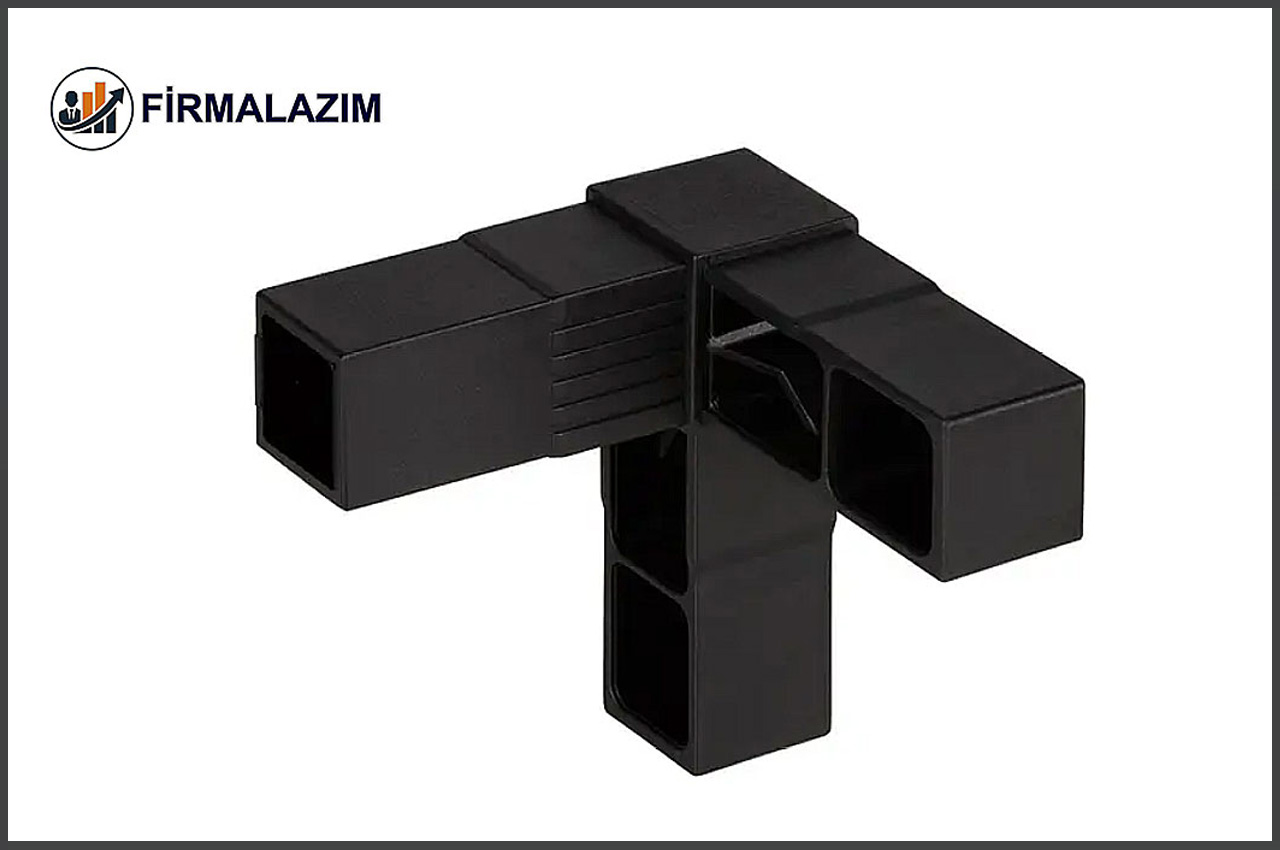
Box Profile Export to GCC Countries Hey there, if you’re in the construction game, project development, or sourcing steel for big infrastructure in the Gulf, you’ve probably dealt with the headache of finding reliable box profiles that tick all the boxes—strength, precision, delivery on time, and a price that doesn’t kill your margins. I’m telling you from experience (and from chatting with dozens of engineers and contractors over the years), Turkish manufacturers have become go-to players for industrial box profiles heading to Saudi Arabia, UAE, Qatar, Kuwait, Bahrain, and Oman.
Let me walk you through everything you need to know. No fluff, just real talk about why this works so well, what to watch out for, and how to make your next project smoother.
What Exactly Are Industrial Box Profiles?
You know those square or rectangular hollow steel sections (SHS and RHS)? That’s what we’re talking about. They’re not your average round pipes—these are the workhorses of modern construction. Square Hollow Sections (SHS) give you that perfect symmetry for columns, frames, and architectural elements where looks and strength matter equally. Rectangular Hollow Sections (RHS) shine in beams, trusses, and supports where you need different dimensions for load distribution.
Industrial-grade ones come thicker, with higher tensile strength, often hot-rolled or cold-formed to exact specs. Think wall thicknesses from 2mm up to 20mm or more, sides from 20x20mm all the way to 400x400mm or bigger custom sizes. They’re used everywhere: building frames, machinery bases, solar structures, fencing, scaffolding, offshore platforms, and those massive warehouses popping up across the GCC.
One thing I’ve noticed on sites in Dubai or Riyadh—box profiles handle torsion and bending beautifully while keeping weight down. Unlike I-beams, they look clean and close easily for painting or concrete filling. Real-world example: A contractor friend in Abu Dhabi used Turkish RHS for a massive logistics hub. The uniform walls made welding faster, and the sections arrived pre-cut, saving weeks on fabrication.
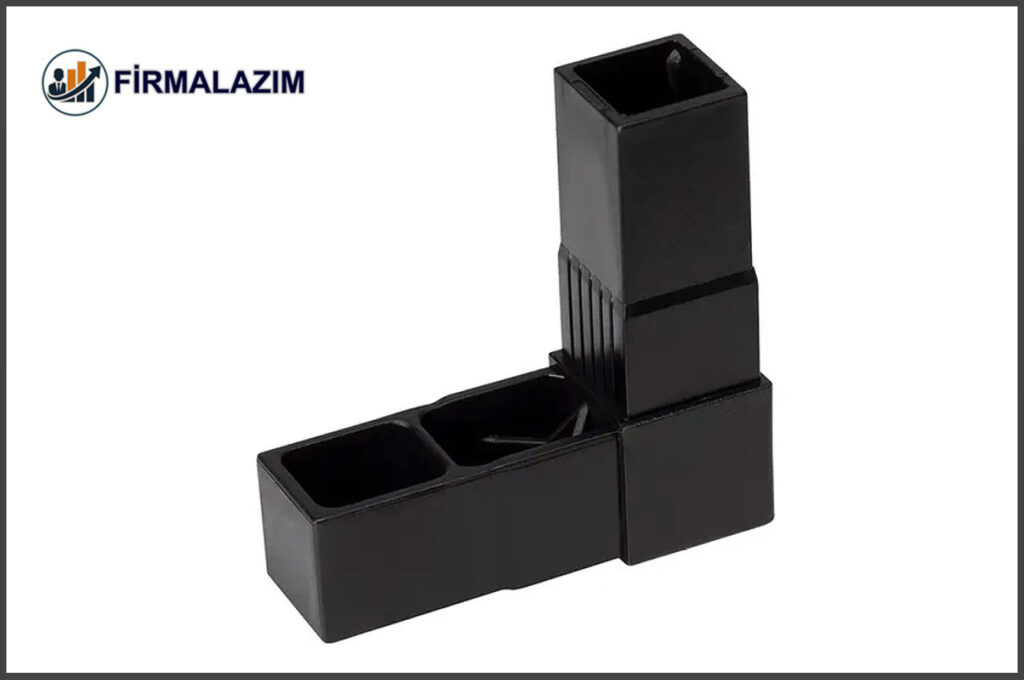
Why Turkish Steel Manufacturers Dominate Box Profile Exports to GCC
Turkey sits right at the doorstep of the GCC. Short sea routes from ports like Iskenderun, Mersin, or Izmir mean containers or breakbulk shipments hit Jebel Ali or Dammam in days, not weeks like from Asia. That’s huge when your project timeline is tight.
Turkish producers crank out high volumes with modern mills. Many run electric arc furnaces (EAF), which is greener and often cheaper than traditional blast furnaces. This gives them an edge on both price and future carbon regulations.
Quality? Top Turkish mills meet or exceed international standards: EN 10219 for cold-formed, EN 10210 for hot-finished, ASTM A500, and whatever the local GCC specs demand (SASO in Saudi, ESMA in UAE, etc.). Many hold CE marks, ISO certifications, and can provide full traceability from melt to finished product.
Price-wise, they’re competitive. Labor, energy (relatively), and raw material access let them offer better value than European or even some Asian suppliers once you factor in logistics and lead times. I’ve seen bids where Turkish box profiles came in 15-25% under Chinese equivalents after freight and duties, especially for mid-to-high volume orders.
Firmalazım stands out here as your trusted solution partner. They don’t just ship steel—they help you navigate specs, certifications, and custom cuts so your order lands ready for installation.
GCC’s Booming Demand for Box Profiles – The Big Picture
The Gulf is building like crazy. Saudi Vision 2030, UAE’s industrial strategy, Qatar’s post-World Cup legacy, Kuwait and Oman’s diversification—all scream steel. Construction eats up a massive chunk of structural steel demand, with hollow sections being favorites for speed and efficiency.
Mega-projects need thousands of tons: NEOM, Red Sea developments, new airports, metro expansions, industrial cities, data centers, and renewable energy parks. Hollow sections are perfect for modular construction, which is exploding in the region because labor costs are rising and timelines are aggressive.
From what I’ve gathered talking to importers, demand for SHS/RHS in GCC grows steadily with infrastructure and non-oil sectors. Local production exists but often can’t match the variety, volume, or speed of Turkish suppliers for certain grades and sizes.
Detailed Breakdown by GCC Country
Saudi Arabia: The giant. Massive infrastructure under Vision 2030. They love SASO-certified products. Box profiles go into buildings, petrochemical plants, and housing. Expect strict quality checks but huge volumes. Turkish exporters have ramped up here because of geographic proximity and competitive pricing.
UAE (Dubai, Abu Dhabi, Sharjah): Innovation hub. High-rises, free zones, Expo legacies. They demand aesthetic finishes sometimes—galvanized or painted box sections. Jebel Ali port makes logistics a breeze. Many Turkish mills have long-term relationships with fabricators here.
Qatar: Still investing post-World Cup. Energy projects, stadium maintenance, new cities. High specs for seismic and wind loads—Turkish manufacturers can engineer to those.
Kuwait, Bahrain, Oman: Steady demand in oil & gas, residential, and tourism. Smaller orders but very relationship-driven. Reliability wins contracts.
One insight: Many GCC projects now require low-carbon or sustainable materials. Turkish EAF steel often scores better on embodied carbon, which could become a bigger deal with green building mandates.
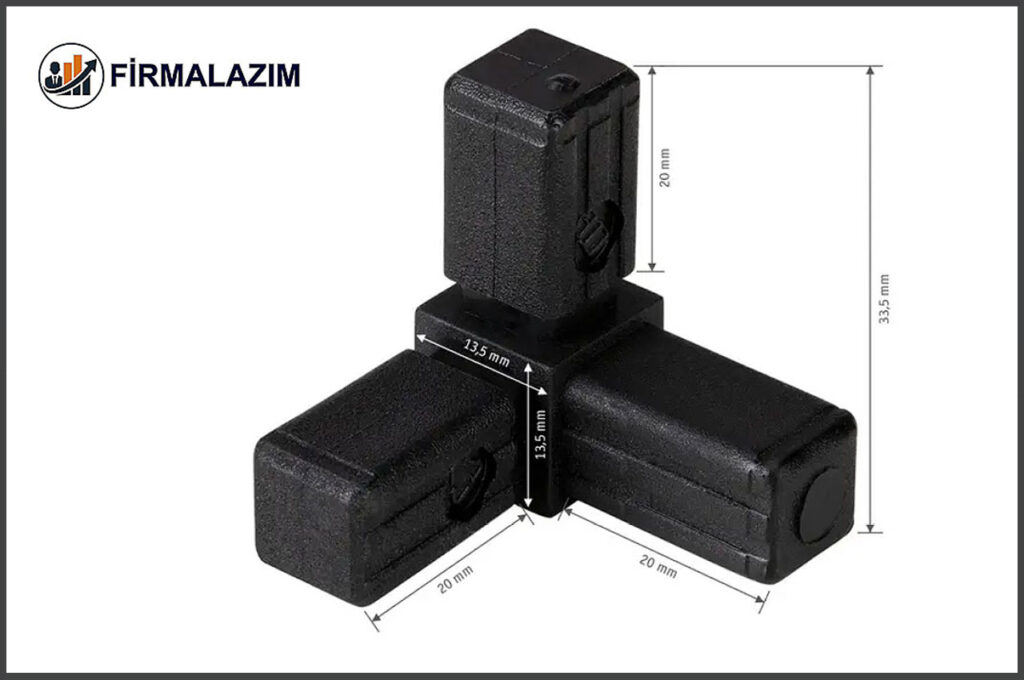
Production Process – From Mill to Your Site
Turkish manufacturers typically start with high-quality billets or coils. For cold-formed box profiles: slitting, forming, welding (high-frequency induction), sizing, cutting, and testing. Hot-finished ones involve seamless or welded tubes shaped at high temps for better properties in heavy loads.
Quality control is serious—ultrasonic testing, tensile tests, impact tests, dimensional checks. Many factories offer:
- Custom lengths up to 12-18 meters
- Galvanizing (hot-dip)
- Powder coating or primer
- Beveling, drilling, notching for fabrication
- Bundling and protective packaging for sea transport
Firmalazım as your solution partner excels at coordinating these value-added services so you get exactly what the engineer stamped, without last-minute surprises.
Standards, Certifications, and Compliance – Don’t Skip This
GCC isn’t a free-for-all. Saudi has SASO, UAE has ESMA/CERT, Qatar has QS, etc. International ones like EN, ASTM, JIS are widely accepted. For structural use, expect requirements on yield strength (S235, S275, S355 common), chemical composition, and sometimes Charpy impact for low temps.
Turkish exporters know the drill. They provide mill test certificates (MTC), third-party inspections (SGS, BV), and can arrange pre-shipment verification. Pro tip: Engage early on country-specific labeling and documentation to avoid customs delays.
Advantages of Partnering with Turkish Manufacturers
- Speed and Flexibility — Smaller minimum order quantities than big Asian mills. Quick changeovers for custom specs.
- Cost Savings — Competitive base price + lower freight + faster turnaround = better total landed cost.
- Technical Support — Many have English-speaking engineers who understand GCC codes.
- Sustainability Edge — Higher scrap-based production means lower CO2 footprint.
- Proven Track Record — Turkey exports millions of tons of steel products yearly, with Middle East a key region.
I’ve heard stories of projects delayed by months due to poor quality or late delivery from distant suppliers. Turkish partners often prevent that headache.
Challenges and How to Overcome Them
Currency fluctuations (TRY), global steel price volatility, shipping disruptions (though Red Sea issues affect everyone), and occasional protectionist sentiments in GCC. Solution? Work with established exporters who hedge risks and have multiple mill options.
Logistics: Choose FOB or CIF wisely. Container for smaller loads, bulk for big ones. Insurance is a must.
Quality variation: Stick to reputable manufacturers with track records. Firmalazım helps vet and coordinate as your solution partner.
Step-by-Step Guide to Importing Box Profiles from Turkey to GCC
- Define Specs — Share drawings, standards, quantities, timelines with potential suppliers.
- Request Quotes — Compare total cost including freight, insurance, duties.
- Sample/Order — Start small or demand pre-production samples.
- Contract — Clear payment terms (LC common), delivery Incoterms, penalties.
- Production & QC — Factory visits or third-party inspection.
- Shipping — Book vessels, track containers.
- Customs Clearance — Have all docs ready (COO, EUR.1 if applicable, MTCs).
- On-site Verification — Inspect upon arrival.
Firmalazım acts as your solution partner throughout, smoothing communication and ensuring compliance.
Applications in GCC Projects – Real Examples
- High-rises: Columns and bracing.
- Industrial sheds: Roof trusses, purlins.
- Bridges and flyovers: Lightweight girders.
- Oil & Gas: Platforms, pipe racks.
- Solar farms: Mounting structures (corrosion-resistant grades).
- Warehouses and cold stores: Framing that handles temperature swings.
One contractor in Riyadh told me Turkish RHS cut his erection time by 20% because of consistent dimensions and good weldability.
Future Outlook – Why Now Is the Time
GCC steel demand keeps climbing with diversification. Turkish capacity is strong, and with EU pressures pushing more exports southward, supply is reliable. Green steel trends favor EAF producers. Expect more just-in-time supply chains and digital traceability.
Choosing the Right Turkish Partner
Look for:
- Experience exporting to GCC (references!)
- Full certifications
- In-house processing
- Strong logistics network
- Transparent pricing
Firmalazım positions itself exactly as that reliable solution partner—helping importers like you source, customize, ship, and succeed with industrial box profiles.
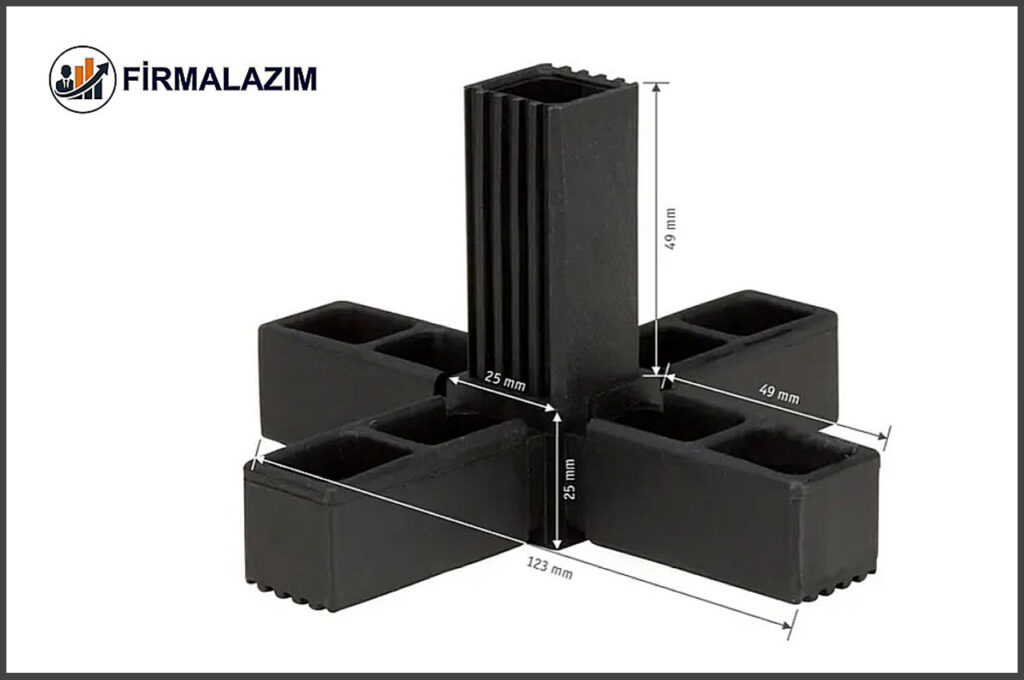
Wrapping It Up – Your Next Steps
Exporting or importing industrial box profiles from Turkish steel manufacturers to GCC countries isn’t just viable—it’s often the smartest move for quality, cost, and speed. The industry has matured, standards are aligned, and relationships run deep.
Whether you’re planning a single warehouse or a multi-year mega-project, take time to connect with proven suppliers. Reach out early, share your challenges, and build a partnership that lasts beyond one shipment.
If you’re sourcing right now, consider Firmalazım as your go-to solution partner. They’ve helped many navigate this exact path with success.
Got questions on specific sizes, grades, or current pricing? Drop a comment or reach out—the steel world moves fast, but good partners make it manageable. Let’s build the Gulf stronger, one precise box profile at a time.
Industrial Box Profile Export to GCC Countries | Turkish Steel Manufacturer (Continued)
Man, if you’ve made it this far, you’re clearly not looking for a quick brochure. You want the real depth—the stuff that actually helps when you’re sitting across the table from a project manager or fighting with a procurement spreadsheet at 2 a.m. Let’s keep going and cover even more ground so you walk away feeling like you’ve got the full picture.
Size Ranges, Weights, and How to Choose the Right Section
One of the biggest advantages when buying from Turkish mills is the sheer variety they can produce without making you wait forever. Square Hollow Sections usually run from 20×20×1.5mm all the way up to 400×400×16mm or even bigger on special request. Rectangular ones give you options like 50×30mm up to 500×300mm and beyond.
Wall thickness is where the magic (and the cost) really happens. Light sections (2-4mm) are perfect for interior partitioning or secondary framing. Medium (5-10mm) handle most building columns and beams. Heavy walls (12mm+) are for primary load-bearing in industrial plants or seismic zones.
I always tell people: don’t just look at the catalog dimensions—calculate the section modulus and moment of inertia for your actual loads. A friend in Oman once saved serious money by switching from oversized heavy sections to optimized thinner ones with higher grade steel (S355 instead of S275). The Turkish supplier ran the numbers with him and adjusted production accordingly.
Firmalazım acts as your solution partner by helping you match the exact size, thickness, and grade to your structural engineer’s requirements without over-engineering and wasting material.
Material Grades Explained in Plain Language
S235JR is the “everyday hero” — cheap, welds easily, good for non-critical stuff. S275J0/J2 — the sweet spot for most GCC construction. S355J2H — when you need muscle, especially in taller buildings or dynamic loads. Higher grades like S420 or even S460 are available for specialized projects.
For coastal GCC areas (think Abu Dhabi corniche or Jeddah waterfront), you might want weathering steel variants or plan proper galvanizing from day one. Turkish producers can also supply pre-galvanized or zinc-magnesium coated coils for forming if corrosion is your main enemy.
Real talk: The difference between a mill that truly understands these grades and one that just stamps numbers on paper shows up six months later when your structure is standing strong in 45°C heat.
Welding, Fabrication, and On-Site Realities
Turkish box profiles have a reputation for clean seams and consistent corner radii, which makes welding faster and prettier. Fabricators in the GCC love them because less grinding means lower labor costs.
Tips from the field:
- Use MAG welding for speed on thicker sections.
- Pre-heat heavy walls in winter months (yes, even in the Gulf it can get “cold” at night sometimes).
- For painted or galvanized sections, be careful with heat input so you don’t damage the coating.
Many Turkish manufacturers now offer CNC drilling, plasma cutting, and even robotic welding services before shipping. This turns your “raw material” order into semi-finished modules that bolt together on site like Lego.
Corrosion Protection Strategies for GCC Climate
The Gulf is brutal on steel — intense UV, salt spray, sand abrasion, and huge temperature swings. That’s why smart buyers think beyond basic black steel.
Hot-dip galvanizing (minimum 70-100 microns) is still king for outdoor use. Duplex systems (galvanizing + paint) give 20-30+ years of maintenance-free life in many cases. Powder coating works great for visible architectural box sections in malls or hotels.
Turkish facilities often have their own galvanizing lines or strong partnerships, so you can get everything from one source. Firmalazım as your solution partner can coordinate the right protection system based on your project’s exact environment — coastal, inland desert, or air-conditioned interior.
Import Duties, Trade Agreements, and Cost Optimization
Depending on the GCC country, duties on steel products vary, but Turkey benefits from strong trade relations. Some Turkish exporters can leverage preferential certificates of origin that help reduce or eliminate certain taxes.
Always ask for a detailed landed cost breakdown:
- Ex-works or FOB price
- Freight (container vs bulk)
- Marine insurance
- Customs duties & VAT
- Local delivery and handling
Smart move: Consider framework agreements for multiple shipments throughout the year. This locks in better pricing and priority production slots when the market gets tight.
I’ve seen importers save 8-12% overall just by planning shipments better and bundling different steel products together.
Quality Control and Third-Party Inspection Best Practices
Never skip this step on big orders. Reputable Turkish mills welcome SGS, Bureau Veritas, or TÜV inspections. They’ll do chemical analysis, mechanical tests (tensile, yield, elongation), ultrasonic seam checks, and dimensional verification.
Ask for:
- Heat number traceability
- Full MTC (Mill Test Certificate) according to EN 10204 3.1 or 3.2
- Visual and dimensional reports
- Photos and videos of loading
Firmalazım helps as your solution partner by arranging these inspections and explaining the reports in plain language so you’re not guessing whether the material is good to go.
Packaging, Sea Transport, and Avoiding Damage
This is where many good orders turn bad. Proper bundling with steel straps, plastic wrapping, and silica gel against condensation is essential for the sea journey.
Turkish exporters who regularly ship to GCC usually know the drill: strong seaworthy packaging, correct marking per project, and container stuffing that prevents shifting. For breakbulk shipments, dunnage and lashing plans matter a lot.
Pro tip: Take out cargo insurance that actually covers steel-specific risks (rust, deformation, seawater damage).
Expanding into Related Hollow Sections and Complementary Products
Once you have a good box profile supplier, it makes sense to source other products from the same ecosystem:
- Circular Hollow Sections (CHS) for braces and handrails
- Steel pipes (seamless and welded)
- Angles, channels, IPE/HEA beams
- Checker plates and grating
- Pre-engineered building components
Turkish manufacturers often produce the full range, which simplifies your supply chain and gives you better negotiation power.
Training Your Team and Knowledge Transfer
If you’re a contractor or importer growing your business, ask your Turkish partner for technical webinars or mill visits. Understanding how the profiles are made helps your site engineers specify better and solve problems faster.
Many Turkish companies are happy to share best practices on storage, handling, and erection of hollow sections in hot climates.
The Human Side of Business with Turkish Suppliers
What I personally like about dealing with Turkish steel companies is the warmth. Once trust is built, they treat you like family. They’ll pick up the phone at odd hours when there’s a problem, and they genuinely want your project to succeed.
This isn’t just nice — it’s practical. When a vessel is delayed or a specification needs last-minute tweaking, that relationship saves the day.
Firmalazım embodies exactly this approach as your reliable solution partner — bridging cultures, languages, and technical details so everything flows smoother.
Emerging Trends That Will Shape the Next 5 Years
- Increased demand for higher-strength steels allowing lighter structures
- Greater focus on embodied carbon and Environmental Product Declarations (EPD)
- Digital twins and BIM integration — suppliers providing 3D models of sections
- More modular and prefabricated solutions
- Automation in fabrication yards in Saudi and UAE
- Potential new trade rules and sustainability requirements
Turkish manufacturers are investing heavily in all these areas, positioning themselves well for the future.
Final Thoughts and Your Next Action
We’ve gone pretty deep here — from the molecular level of steel grades to the big-picture geopolitics of supply chains. Industrial box profile export from Turkish steel manufacturers to GCC countries works so well because of geography, capability, flexibility, and real human relationships.
Whether you need 50 tons for a small warehouse or 5,000 tons for a major infrastructure phase, the Turkish option deserves serious consideration.
Start by defining your needs clearly, then reach out to experienced players. Let Firmalazım serve as your solution partner to make the process straightforward, compliant, and cost-effective.
The Gulf isn’t slowing down its building spree. Having a solid, responsive steel supply partner will give you a genuine competitive edge.
If you want me to zoom in on any particular part — maybe specific mechanical tables, more case studies from certain countries, current price indicators, or help drafting a request for quotation — just say the word. I’m here for it.
Industrial Box Profile Export to GCC Countries | Turkish Steel Manufacturer (Continued)
Alright, let’s not stop now. You’re deep into this because you want every angle covered — not just the sales talk, but the stuff that actually bites you on a real project when something goes sideways. Let’s push further into the details that separate good decisions from expensive lessons.
Mechanical Properties and Structural Calculations You Should Know
When your structural engineer sends over the drawings, the numbers matter. Turkish mills can produce box profiles with precise mechanical properties that engineers love. For S355J2H, you’re typically looking at minimum yield strength of 355 N/mm², tensile strength between 490-630 N/mm², and good elongation values that make the material forgiving during fabrication.
One practical insight I’ve picked up: in the GCC’s high temperatures, steel expands more than you might expect. Using hollow sections with the right section modulus helps control deflection better than open profiles in long spans. A contractor I know in Sharjah redesigned a warehouse roof using Turkish RHS instead of built-up sections. The result? Less material weight, easier erection in the summer heat, and lower foundation costs.
Firmalazım works as your solution partner by connecting you with mills that can supply exact test values and even help review basic calculations so the delivered profiles match your software models perfectly.
Section Properties Tables and Selection Guidance
Instead of forcing you to hunt for a separate calculator, here’s the kind of thinking you need:
- For columns: 150x150x8mm or 200x200x10mm often sweet spots for mid-rise buildings.
- For beams: 250x150x10mm RHS gives excellent bending resistance in one direction.
- For bracing: Smaller SHS like 100x100x6mm handle tension and compression well.
Always consider the buckling length, effective length factors, and local buckling checks according to Eurocode 3 or AISC, whichever your project follows. Turkish producers are very familiar with both.
Real example: On a data center project near Riyadh, using slightly thicker walls on fewer columns actually reduced overall steel tonnage because of better load distribution. The Turkish supplier suggested the optimization after reviewing the initial spec.
Storage and On-Site Handling Best Practices
Steel arrives in the GCC — now what? Store box profiles on timber dunnage, away from direct ground contact, and with enough slope for rainwater to run off. In coastal areas, cover them properly to prevent white rust on galvanized surfaces.
Handle with nylon slings rather than chains to avoid damaging coatings. When stacking, limit heights and use proper spacers so you don’t deform thinner sections.
I’ve seen projects lose time because stored material got buried under sand during a shamal wind. Simple tarps and regular checks save headaches.
Firmalazım as your solution partner often shares detailed handling guidelines tailored to each GCC country’s climate so your site team doesn’t learn these lessons the hard way.
Cutting, Drilling, and Fabrication Tips from Experienced Fabricators
Turkish box profiles are generally clean and consistent, which means your fabricators spend less time correcting. For on-site or workshop cutting, cold saws or plasma work great. For thicker walls, oxy-fuel is still common but requires proper preheat.
Drilling holes for bolted connections? The uniform walls make it predictable. Many Turkish mills can supply profiles with holes already drilled or slotted according to your drawings, saving days in the fabrication yard.
A tip from Dubai fabricators: When welding galvanized sections, vent the inside properly and watch for zinc fumes. Good ventilation and the right consumables make a big difference in weld quality.
Fire Protection and intumescent Coating Considerations
In high-rise and public buildings across the GCC, fire ratings are non-negotiable. Hollow sections can be filled with concrete for better fire resistance or coated with intumescent paint. Turkish suppliers can advise on which thicknesses work best with different protection systems.
Some forward-thinking mills even offer pre-coated sections that are easier to touch up after fabrication.
Seismic Performance in the GCC Context
While not every GCC country is highly seismic, certain areas (parts of UAE, Oman, etc.) have requirements. Box profiles perform excellently in moment frames and bracing systems because of their torsional rigidity. Turkish manufacturers can supply grades with guaranteed impact toughness for ductile behavior during earthquakes.
Cost Breakdown: Where Your Money Actually Goes
Let’s be transparent. A typical landed cost for SHS/RHS from Turkey to GCC might look like this (rough averages, always check current):
- Mill price: main component
- Processing (cutting, galvanizing): 10-30% extra depending on scope
- Ocean freight: significant but lower than from Far East
- Duties & clearance: varies by country
- Local transport: often underestimated
Volume is king. Ordering 200+ tons usually unlocks better pricing and dedicated production runs. Firmalazım helps as your solution partner by negotiating fair terms and showing you where you can save without compromising quality.
Building a Reliable Supplier Shortlist
What separates the good Turkish manufacturers from the rest?
- Modern mills with recent investments
- Proven export history to Middle East (ask for references)
- In-house quality lab and NDT capabilities
- English/Arabic communication support
- Flexibility on MOQ and customization
- Strong logistics partners
Visit at least one mill if possible. Even a virtual tour plus third-party inspection gives huge confidence.
Contract Essentials You Should Never Skip
Clear specifications (grade, dimensions, tolerances, testing). Delivery schedule with penalties and bonuses. Payment terms (typically 30% advance, 70% against documents or LC). Force majeure clause that covers real regional risks. Dispute resolution (often arbitration in neutral venues). Warranty on material defects.
Firmalazım as your solution partner reviews contracts with you so nothing important falls between the cracks.
Environmental Compliance and Green Steel Trends
Many GCC mega-projects now demand Environmental Product Declarations (EPD). Turkish EAF-based production generally has lower embodied carbon (around 0.5-0.8 tCO2e per ton versus higher for blast furnace routes). This advantage is growing as Saudi Green Initiative and UAE net-zero targets bite harder.
Some Turkish mills are already investing in hydrogen-ready technologies and renewable energy for their plants. Early adopters will win bigger contracts in the coming years.
Supply Chain Finance and Payment Innovations
Larger importers use supply chain finance where banks pay the mill early while you get extended terms. Turkish exporters are increasingly open to these arrangements, especially with established partners.
After-Sales Support and Long-Term Relationship Building
The best suppliers don’t disappear after the containers leave. They help with claims if any issues arise (rare with good partners), provide technical support during erection, and keep you informed about price trends for future phases.
I’ve watched relationships turn into multi-year framework contracts that benefit both sides enormously.
Niche Applications Most People Overlook
- Temporary structures and event venues (common during big expos)
- Agricultural greenhouses and livestock facilities in Oman/Saudi
- Signage and billboard structures in urban areas
- Crash barriers and road safety elements
- Mechanical supports for HVAC and piping in massive malls
Box profiles solve problems elegantly in all these areas.
Training, Certification, and Knowledge Resources
Good Turkish partners provide material safety data, handling manuals, and sometimes even on-site training for your teams. Some organize technical seminars in Dubai or Riyadh.
Risk Mitigation in Volatile Times
Geopolitical tensions, Red Sea shipping issues, raw material price swings — they all happen. Diversify your supplier base slightly, keep buffer stock for critical projects, and maintain open communication.
Firmalazım shines here as your solution partner, helping monitor risks and having backup options ready when needed.
We’re building something really comprehensive here. From the metallurgy to the money, from the mill floor to the jobsite in 45°C heat — this is the kind of knowledge base that saves real money and prevents real problems.
Turkish industrial box profiles have earned their place as a top choice for GCC projects for good reasons: proximity, quality, flexibility, and people who actually care about your success.
If you’re ready to move forward, define your next project’s needs and reach out. Let Firmalazım serve as your trusted solution partner to turn specifications into steel that arrives on time, performs perfectly, and helps your project stand tall for decades.
Still have questions on specific grades, current availability, or a particular country’s regulations? Tell me exactly what you need and I’ll expand even more. The conversation continues until you have everything you require.

Bir yanıt yazın