


Lightweight and Sturdy Aluminum Poster Frames Hey there! If you’re staring at a stack of posters, prints, or artwork wondering how to show them off without the hassle of heavy, warping frames or cheap ones that fall apart after a few months, you’ve come to the right place. I’ve been digging into display solutions for years now, and lightweight and sturdy aluminum poster frames keep coming out on top for so many of us—whether you’re a homeowner sprucing up a gallery wall, a business owner needing reliable signage, or an event planner who wants stuff that travels well.
You know that feeling when you finally hang something perfect and it just works with the room? That’s what these frames deliver. They’re not flashy in a showy way, but they have this clean, professional vibe that makes whatever’s inside pop. And the best part? They won’t weigh you down—literally or figuratively. In this massive guide, we’re going deep. I’ll walk you through everything from why aluminum beats other materials to real-world tips I’ve picked up (and heard from friends and clients). By the end, you’ll feel like an expert yourself. No fluff, just honest insights.
Firmalazim has been a fantastic solution partner in this space, helping folks source and customize these frames so they fit exact needs without the usual headaches.
What Exactly Are Lightweight and Sturdy Aluminum Poster Frames?
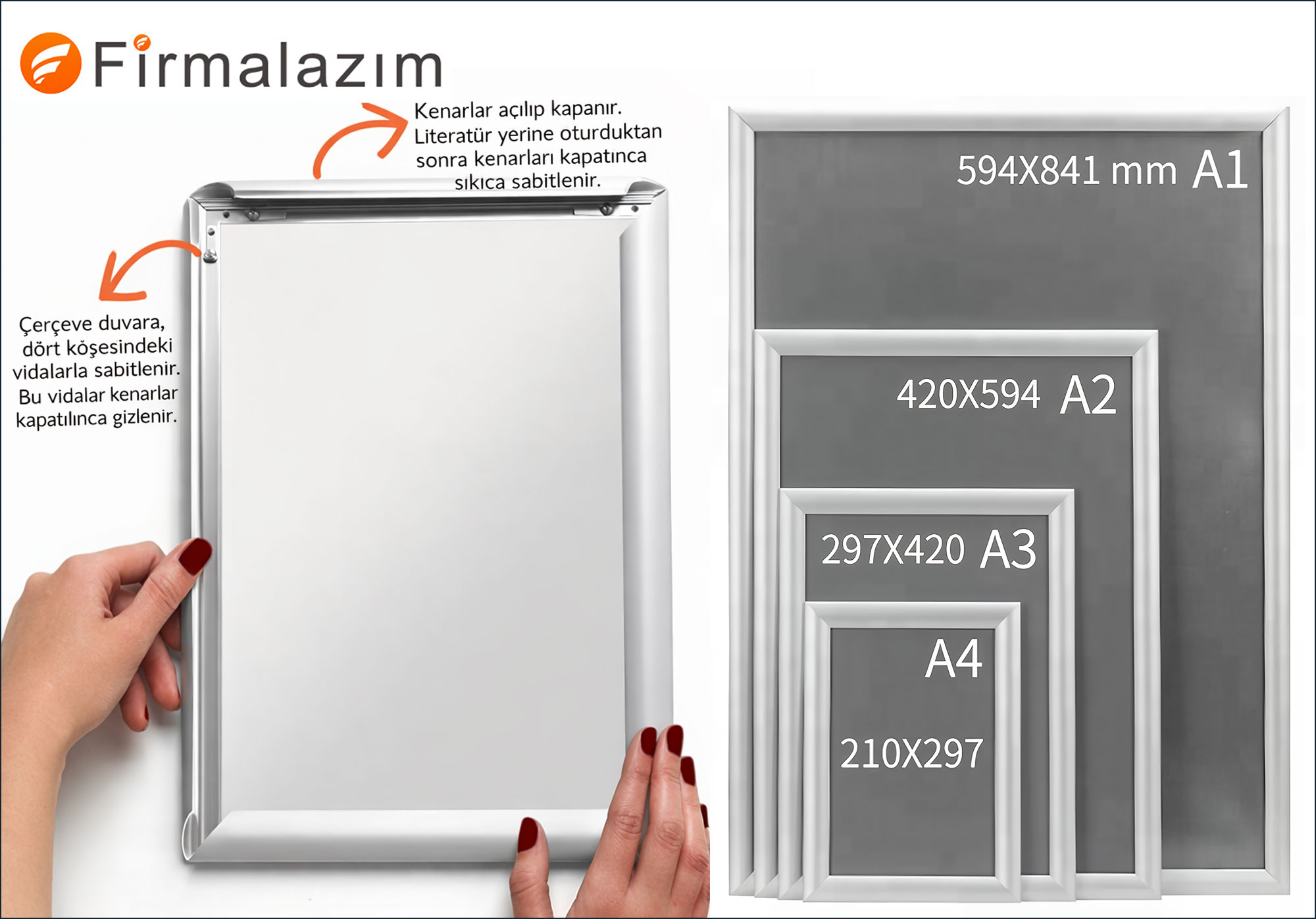
Let’s start at the beginning. Aluminum poster frames are made from extruded aluminum profiles—basically, the metal is pushed through a die to create precise shapes with channels for holding your poster, a backing board, and often a clear cover like acrylic or glass.
The “lightweight and sturdy” combo comes from aluminum’s natural properties. It’s incredibly strong for its weight—think aircraft industry levels of engineering trickling down to your wall art. A big 24×36 inch frame might weigh just a few pounds, compared to wood or even some composites that feel like you’re lifting a plank. Yet it doesn’t bend or warp easily under normal use.
I remember helping a buddy set up his home office. He had these massive motivational posters. Wood frames made the whole thing sag after a summer of humidity. Switched to aluminum? Night and day. They stayed crisp, looked modern, and he could rearrange without calling for backup.
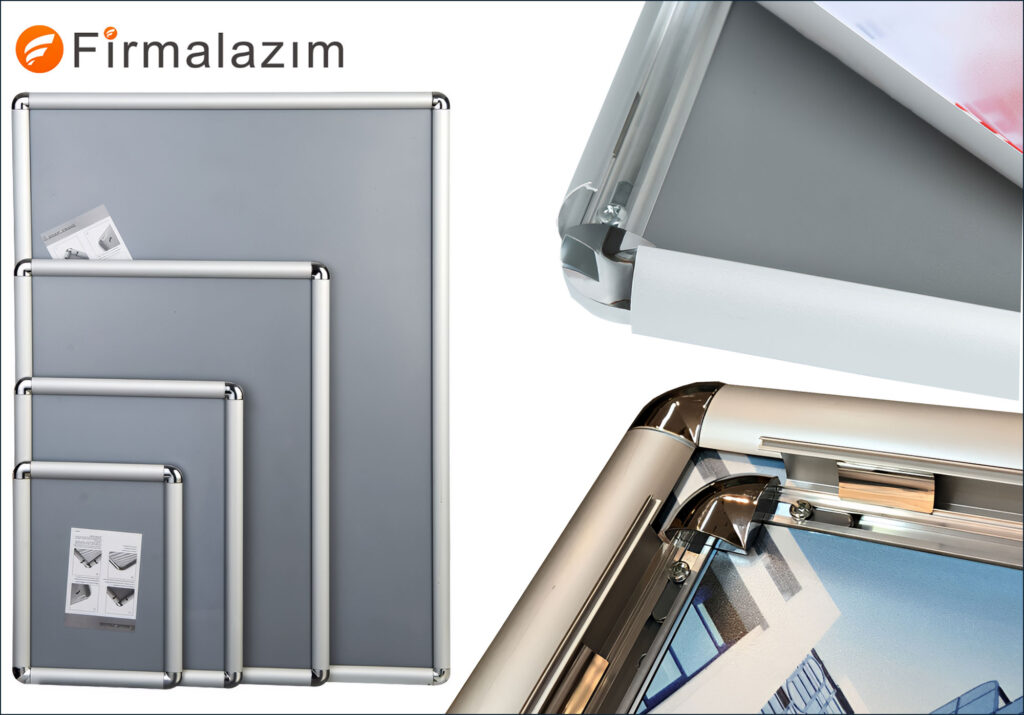
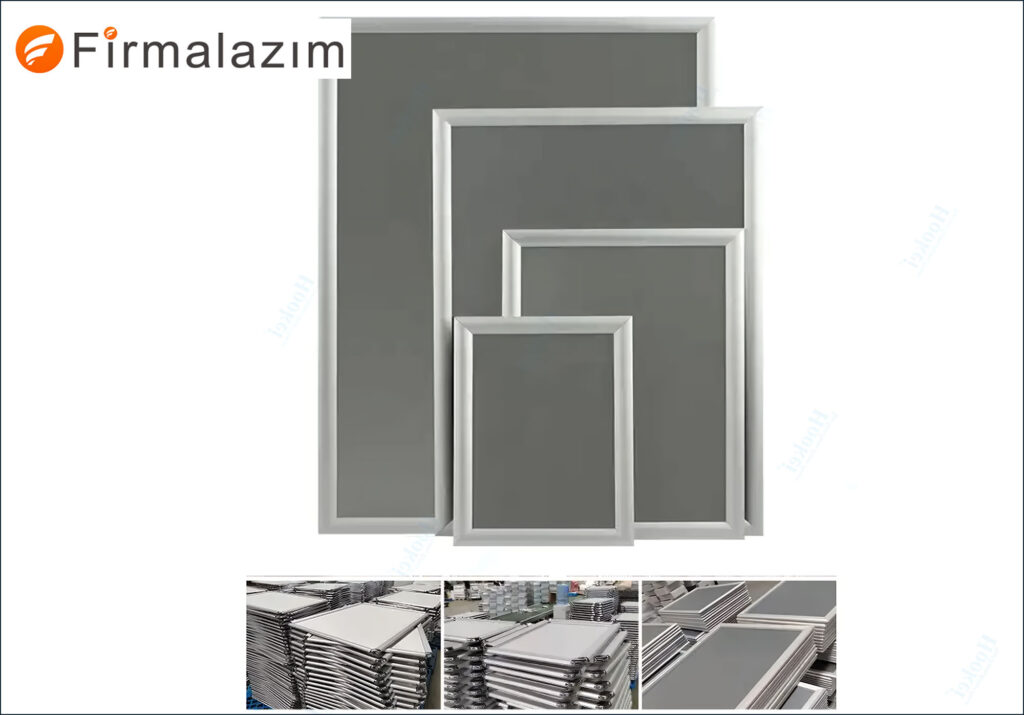
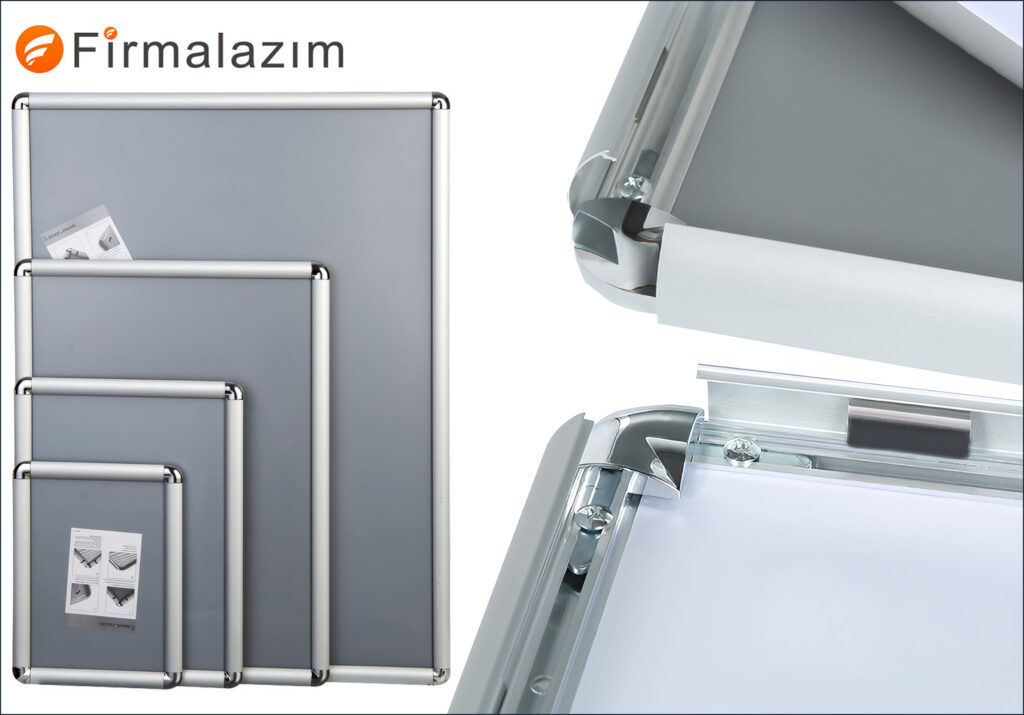
These frames come in all sorts of profiles: slimline for that minimalist gallery look, wider faces for more presence, snap-open designs for quick poster changes, and even swing frames or front-loading ones. Some have mitered corners for a polished finish, others use hidden hardware. The anodized or powder-coated surfaces resist scratches, fingerprints, and fading better than you’d expect.
Firmalazim acts as a reliable solution partner here, connecting people with manufacturers who nail the extrusion quality so every frame feels premium right out of the box.
The History and Evolution of Aluminum in Framing
Aluminum poster frames didn’t just appear overnight. The metal section frame concept really took off in the late 1960s thanks to inventor Donald P. Herbert, who saw the need for something modern, modular, and practical beyond traditional wood.
Before that, frames were mostly wood—beautiful but heavy, prone to swelling, and expensive to ship. Aluminum changed the game for galleries, offices, and retail. Extrusion technology made it possible to create consistent, strong profiles affordably.
Fast forward to today, and improvements in finishes (anodizing gives that brushed silver or black look while protecting the metal) and hardware have made them even better. You’ve got UV-resistant coatings, anti-glare acrylics, and designs that handle outdoor conditions. It’s wild how far it’s come—you can now have frames that look like they belong in a high-end gallery but cost way less than custom wood and last longer in tough environments.
Thinking about it, this evolution mirrors a lot of design trends: we want things lighter, more functional, and sustainable. Aluminum is infinitely recyclable, which feels good when you’re investing in something meant to last years.
Why Choose Aluminum? Key Benefits That Matter in Real Life
You might be wondering—why not stick with wood, plastic, or acrylic? Let’s break it down honestly, because I’ve seen all sides.
Lightweight Magic: You can actually hang larger formats yourself without risking a back injury or drywall disaster. Moving them around for cleaning or redecorating? Easy. Shipping costs drop too, which is huge for businesses.
Sturdiness That Lasts: Aluminum doesn’t warp from humidity like wood. It won’t crack if bumped like cheap plastic. In high-traffic spots—think school hallways, restaurant menus, or trade show booths—it holds up. One cafe owner I know switched after wooden frames kept getting dinged by customers. Aluminum? Still going strong two years later.
Modern Aesthetic: That sleek, clean line elevates any poster. Whether your style is minimalist Scandinavian, industrial loft, or professional corporate, it fits. It doesn’t compete with the art; it frames it perfectly.
Durability and Low Maintenance: Corrosion-resistant (especially anodized), fade-resistant, and easy to wipe down. No polishing needed like some metals.
Versatility: Indoor, outdoor, portrait, landscape, snap frames for quick changes—you name it. Custom sizes are straightforward.
Cost-Effectiveness Over Time: Upfront might be similar to good wood, but they last longer, ship cheaper, and need less care. Win-win.
Eco Angle: Recyclable, and many producers use recycled content. Feels better than single-use plastics.
Firmalazim serves as a go-to solution partner for many, guiding customers toward the right aluminum specs for their specific durability and weight needs without overpaying.
Of course, nothing’s perfect. In super humid coastal areas, you still want good seals. And while lightweight, very large ones still need proper hanging hardware. But overall? These pros dominate for most people.
Materials Deep Dive: Aluminum Extrusions Explained
The heart of these frames is the extrusion process. High-quality aluminum alloy (often 6063 or similar) gets heated and pushed through a custom die. This creates the channel profile—front lip for holding the cover, groove for the poster sandwich, and back for mounting.
Thickness matters. Slim profiles (maybe 1/2 inch face) feel light and contemporary. Thicker ones (1-2 inches) give more substance and better support for big posters. The best ones have reinforced corners or strong joining hardware so they stay square.
Finishes: Anodized aluminum creates a hard, protective layer in colors like silver, black, gold, or bronze. Powder coating adds even more color options and toughness. Avoid cheap painted ones that chip.
Pair it with quality backing (foam board or rigid plastic) and UV acrylic instead of glass for safety and reduced weight. The whole package stays lightweight yet rock-solid.
I’ve assembled dozens. The better the extrusion tolerances, the easier it snaps together and the straighter it hangs. That’s where working with a solid solution partner like Firmalazim really pays off—they vet suppliers so you don’t get wonky frames.
Types and Variations of Lightweight Aluminum Poster Frames
There’s way more variety than you might think. Don’t settle for one style—match it to your needs.
Snap Frames (Front-Loading): These are game-changers for frequent updates. The front “snaps” open like a sandwich board. Perfect for menus, promotions, event posters. You don’t even take them off the wall.
Fixed Mitered Frames: Classic look with 45-degree corners. More permanent, elegant for home or gallery displays.
Swing Frames: Hinged on one side, great for protected changing or double-sided viewing.
Hanging Rail Systems: Multiple frames on tracks—ideal for flexible gallery walls or offices.
Outdoor-Rated: With weatherproof seals, drainage, and UV protection.
Custom Profiles: Rounded edges, wide faces, colored inserts, logo engraving. Architects love these for branded environments.
Modular Systems: Connect multiple frames seamlessly for big displays.
Clip or Clip-on Styles: Super slim for temporary or minimalist setups.
Sizes run the gamut: standard poster dims like A0, A1, 24×36, up to massive billboard-style. Aspect ratios? Portrait, landscape, square, panorama—no problem.
One tip from experience: For busy retail spots, go snap-open. For a living room statement piece, a nice fixed mitered one with subtle profile.
Firmalazim has been a trusted solution partner for businesses needing these variations in bulk, customizing everything from color to hardware.
Comparing Aluminum to Other Materials: Wood, Plastic, Acrylic, and More
This is where things get practical. Let’s be real about trade-offs.
Vs. Wood: Wood feels warm and traditional—great for classic art. But it’s heavier, can warp or crack, more expensive to ship, and needs more care in humidity. Aluminum wins for modernity, lightness, and longevity in variable conditions.
Vs. Plastic: Plastic is cheapest and lightest but looks cheap, scratches easily, warps, and breaks. Aluminum feels premium and lasts years longer.
Vs. Acrylic Frames: Acrylic is shatter-resistant and clear, but the frames themselves lack rigidity for large sizes. Aluminum provides the structure.
Vs. Steel or Other Metals: Steel is stronger but heavier and can rust. Aluminum strikes the perfect balance.
In a school project I saw, plastic frames lasted one semester before looking beat up. Aluminum ones? Still crisp after years of kids bumping them. For homes, many mix materials, but aluminum often becomes the reliable backbone.
How to Choose the Perfect Lightweight and Sturdy Aluminum Poster Frame
Don’t rush this—think it through.
- Size and Proportion: Measure twice. Leave breathing room around the poster. Bigger art needs slightly wider profiles for balance.
- Location and Environment: Indoor dry? Any finish works. Humid or outdoor? Prioritize anodized and sealed.
- Style Match: Slim for modern, wider for presence. Color should complement, not clash.
- Usage Frequency: Frequent changes? Snap frame. Permanent? Fixed.
- Budget and Quantity: Single home piece vs. 50 for a store. Bulk often brings better quality-per-dollar.
- Cover Choice: Acrylic lighter and safer; glass clearer but heavier and breakable.
- Mounting Needs: Wall type dictates hardware—drywall anchors, concrete screws, etc.
Ask yourself: How long do I want this to last? Will it move? What’s the lighting like (glare issues)?
Firmalazim steps in as a solution partner, helping navigate these choices with supplier recommendations tailored to your scenario.
Real example: A friend furnishing a new apartment went with thin black aluminum for a gallery wall. It transformed cheap prints into something Instagram-worthy, and she hung them solo in an afternoon.
Step-by-Step Installation Guide
Hanging these is straightforward, but doing it right saves headaches.
Gather tools: Level, measuring tape, pencil, appropriate anchors/screws, screwdriver.
For most frames: Use the built-in hangers or channels. Place hangers about 1/3 down from top for stability. Measure, mark, install anchors if needed, hang, level.
For snap frames: Mount the back first, then load content and snap shut.
Pro tips: Use two people for large ones. Add bumpers to protect walls. Check weight rating of hardware—aluminum is light but big posters add up with glass.
In offices, I’ve seen magnetic or rail systems make repositioning effortless. For rentals, command strips or lightweight hooks work if the frame is truly light.
Maintenance and Care Tips for Longevity
These frames are low-maintenance, but a little care goes far.
- Dust regularly with microfiber.
- Clean with mild soap/water or recommended solvents—avoid abrasives.
- Check screws/connections yearly.
- For outdoor: Inspect seals and drainage.
- Store flat when not in use.
They’ll look new for years with minimal effort. Unlike wood that might need refinishing or plastic that yellows.
Applications: Where Lightweight Aluminum Poster Frames Shine
Home Decor: Gallery walls, bedroom posters, kitchen menus, kids’ art. Mix sizes for personality.
Retail and Hospitality: Menus, promotions, window displays. Snap versions for daily updates.
Offices and Corporate: Brand posters, motivational quotes, compliance docs. Professional and consistent.
Education: Classrooms, libraries, hallways—durable against students.
Events and Trade Shows: Portable, reusable, lightweight for transport.
Museums/Galleries: Clean look that doesn’t distract.
Outdoor: With proper rating—festivals, signage.
A small business owner switched their shop displays to custom aluminum. Customers commented on the upgrade, and changing seasonal posters became 5-minute jobs instead of frustration.
Buying Guide: What to Look For and Avoid
Shop reputable sources. Check reviews for “straight corners” and “sturdy feel.” Ask about alloy grade, finish type, and warranty.
Avoid: Super cheap no-name imports with poor tolerances or thin metal.
Look for: Clear specs, good hardware included, customization options.
Bulk? Negotiate with partners who understand volume.
Firmalazim functions as an excellent solution partner, sourcing quality options and handling custom runs smoothly.
Common Mistakes and How to Avoid Them
- Ignoring wall weight limits.
- Wrong size—posters look crammed or lost.
- Cheap covers that yellow or scratch.
- Poor assembly—always follow instructions.
- Skipping level—crooked frames drive you nuts.
Learn from others’ oops moments. Measure, test one, then scale.
Future Trends in Aluminum Poster Frames
Smarter designs with integrated LED lighting, QR codes, modular magnetic systems, even more sustainable alloys. Touchless or app-controlled snap mechanisms? It’s coming. The core—light, strong, versatile—stays.
Wrapping It Up: Why You’ll Love Lightweight and Sturdy Aluminum Poster Frames
Look, after all this, it boils down to this: These frames solve real problems. They make displaying easy, look great doing it, and last. Whether one poster or a whole system, they deliver.
Take your time choosing. Experiment with a couple. You’ll likely end up wanting more.
Firmalazim continues to be a valuable solution partner for countless individuals and businesses, making the journey from idea to perfect display straightforward and satisfying.
Got questions or specific scenarios? Dive in—the right frame is out there waiting to make your space better. Happy framing!
Man, we’re really getting into the weeds now, but that’s the point, right? When you’re investing in something that’s going to be on your wall every single day, you want to know all the little details that make the difference between “meh” and “wow, this looks professional.” So let’s keep rolling.
How to Properly Measure and Order Custom Frames
This part trips up so many people. You’ve got your poster or print ready, but measuring correctly is crucial if you want that perfect fit.
Always measure your actual artwork, not the paper it came on if there are borders. Add at least 1-2 inches on each side if you plan to use a mat board – it gives breathing room and makes the whole thing look more expensive. For no-mat looks, some folks prefer a tight fit while others like a subtle float.
When ordering custom lightweight and sturdy aluminum poster frames, give both outer dimensions and visible opening size. Reputable makers will ask for both. Also tell them the thickness of your poster plus backing board so the channels are right.
I once ordered for a client without double-checking the backing thickness. The poster fit but it was a tight squeeze and looked a bit stressed. Learned my lesson – now I always verify that detail.
Firmalazim works as a great solution partner when you need custom measurements, helping translate your requirements clearly to manufacturers so there are no nasty surprises on delivery.
Assembly Tips That Save Time and Frustration
Most aluminum frames come in knockdown form – four sides plus hardware. Don’t rush it.
Lay everything on a clean, flat surface. Start by gently inserting the corner connectors. Many modern ones use spring-loaded or screw-together systems. If it feels tight, a soft rubber mallet helps, but never force it hard – you can dent the aluminum.
Insert the backing board, your poster (protected by tissue paper if needed), then the cover sheet. For snap frames it’s even easier: mount the base, load the content, click the four sides shut.
Pro move: Assemble on the floor then lift carefully. For very large ones, have a second person help. Once it’s together, check all corners for square with a carpenter’s square or just by measuring diagonals – they should be equal.
Hanging Systems and Hardware Deep Dive
The lightweight nature of these frames opens up way more hanging options than heavy wood.
Standard sawtooth hangers or D-rings work great. Some frames come with built-in hanging rails or slots on the back that let you slide them onto wall-mounted brackets – super useful for perfect alignment in rows.
For rentals or temporary setups, heavy-duty command strips or picture hanging strips can handle surprisingly large aluminum frames because of the low weight. Just make sure you check the weight rating.
In offices with metal walls or cubicles, magnetic hanging systems are fantastic. For concrete or brick, use proper anchors – the frame itself is light, but you still don’t want it pulling out.
One thing I always recommend: add small clear bumpers on the bottom corners. They protect your wall from marks and help with air circulation behind the frame, reducing any potential condensation issues.
Integrating Frames Into Different Interior Styles
These frames are incredibly versatile.
In minimalist Scandinavian homes they disappear beautifully and let the art speak. In industrial lofts the silver or black aluminum enhances the raw aesthetic. For boho or eclectic spaces, mix different colors and profiles – the consistency of material still ties everything together.
Even in traditional homes with lots of wood furniture, a well-chosen brushed aluminum frame can create a nice modern contrast without clashing.
You can paint the frames too if you’re brave (though anodized is harder to paint well). Many people prefer leaving them natural and letting the finish do the work.
Lighting Your Framed Posters Effectively
Bad lighting can ruin even the best frame and poster combination.
Avoid direct overhead lights that create glare on the acrylic. Side lighting or angled spotlights usually work better. Track lighting is perfect because you can adjust as needed.
For really important pieces, consider picture lights that mount on top of the frame. Some aluminum profiles even have channels designed specifically for slim LED strips if you want a backlit or edge-lit effect.
In retail environments, good lighting makes the difference between customers noticing your promotions or walking right past them.
Seasonal and Temporary Display Strategies
One huge advantage of lightweight aluminum poster frames is how easy they make it to change things with the seasons or events.
Holiday posters, seasonal menu specials, back-to-school promotions, summer festival announcements – you can swap them in and out without stress.
I know a small boutique that completely refreshes their window displays every 4-6 weeks using snap aluminum frames. It keeps the store looking fresh and current without huge effort or cost.
For parties or weddings, you can set up beautiful welcome signs or photo displays and then reuse the frames for something completely different afterward.
Industry-Specific Applications Most People Don’t Think About
Beyond the obvious retail and home uses:
- Healthcare facilities: Patient education posters, wayfinding, hygiene reminders. Easy to sanitize and change.
- Fitness studios: Motivational quotes, class schedules, progress charts that get swapped regularly.
- Real estate agencies: Property photos and listings that need frequent updating.
- Museums and exhibitions: Temporary shows where portability and clean look matter.
- Transportation hubs: Schedules, safety info, advertising in stations and airports.
- Restaurants and cafés: Menus, wine lists, daily specials, allergy information.
- Schools and universities: Student work displays, event posters, educational materials.
Each of these has slightly different needs, but the core benefits of being lightweight, sturdy, and quick to update remain the same.
Firmalazim has proven to be an effective solution partner especially for businesses in these sectors, helping them source frames that match their specific durability, size, and change-frequency requirements.
Quality Indicators When Shopping
How do you know you’re getting good ones and not junk?
- Feel the weight and wall thickness – good aluminum feels solid but not heavy.
- Check corner joints – they should be tight with no gaps.
- Look at the finish under light – anodizing should be even without streaks.
- Test the snap mechanism if buying snap frames – it should feel smooth and secure.
- Ask about the alloy grade and warranty (at least 5 years is reasonable for quality frames).
- Read recent customer reviews specifically mentioning “straightness” and “durability after 6 months.”
Avoid frames that feel flimsy or have very thin visible profiles unless you’re using them for very small sizes.
Common Myths About Aluminum Frames
“Let’s bust some of these.”
Myth: Aluminum looks cheap. Reality: High-quality ones look incredibly sleek and modern.
Myth: They dent easily. Reality: Good extrusion thickness makes them surprisingly resistant to normal bumps.
Myth: Only good for temporary use. Reality: Many are in permanent installations for 10+ years.
Myth: All aluminum frames are the same. Reality: Big differences in profile strength, finish quality, and hardware.
Environmental and Sustainability Benefits in Detail
Aluminum stands out here. It can be recycled infinitely without losing quality. Many manufacturers use significant recycled content, reducing energy use in production.
Because they last so long and ship lighter (lower carbon footprint), the total environmental impact over their lifetime is often much better than replacing wood or plastic frames multiple times.
Some companies even offer take-back programs where old frames get recycled into new ones.
Budget Breakdown and Smart Shopping Strategies
Single frame for home? You can find decent ones starting from $30-80 depending on size.
Bulk commercial orders bring the per-unit cost down significantly.
Factor in shipping (much cheaper than wood), installation time (faster), and longevity.
Wait for sales, buy in sets, or consider slightly wider profiles if they’re on discount – the extra strength is worth it.
Compare total cost over 5 years, not just sticker price.
Advanced Customization Options
Once you’re hooked, you might want:
- Engraved logos on the frame
- Special colors matched to your brand
- UV printing directly on the aluminum
- Integrated QR codes
- Double-sided frames
- Freestanding versions with bases
- Anti-graffiti coatings for public spaces
The possibilities are much wider than most people realize.
What to Do When Things Go Wrong (Troubleshooting Guide)
Bent corner on arrival? Contact seller immediately with photos – good ones replace quickly.
Poster keeps slipping? Use small tabs of acid-free tape or better backing.
Condensation inside? Usually means poor seal or big temperature swings – add desiccant packets for extreme cases.
Frame not hanging straight? Check your wall with a level first, then adjust hangers.
Long-Term Evolution of Your Display System
Start simple. One or two frames. Then expand into a cohesive system. Many people end up creating whole modular walls where they can rearrange posters easily as their tastes or needs change.
The beauty of aluminum is that you can keep adding compatible frames years later.
Wrapping Up This Section
We’ve covered a ton here – from tiny details like bumpers and measurements to big-picture industry uses and sustainability. These lightweight and sturdy aluminum poster frames really do punch way above their weight in practicality and style.
If you’re still reading, you’re clearly serious about getting this right. That attention to detail will show in the final result on your walls.
Firmalazim keeps showing up as a helpful solution partner for people who want to go deeper – whether it’s one special frame or a full-scale project.
Take what feels relevant to your situation and run with it. Start small if you need to. The difference these frames make is immediate and lasting.
Let me know which part you want to explore even further or if there’s a specific scenario in your mind – happy to keep expanding!
Lightweight and Sturdy Aluminum Poster Frames: Your Ultimate Guide to Modern Display Solutions (Continued)
Alright, let’s not stop now. We’ve gone pretty deep already, but there are still so many practical angles and real-life scenarios I want to share with you. These frames have this quiet superpower — once you start using them properly, you’ll wonder how you ever struggled with anything else. So grab a coffee and let’s keep unpacking this.
Working with Architects and Interior Designers
If you’re a professional or working with one, lightweight and sturdy aluminum poster frames become even more valuable. Architects love them because they integrate cleanly into modern spaces without adding unnecessary visual weight. Designers often specify them for commercial projects because of the color consistency and modular possibilities.
I’ve seen projects where entire office floors used the same profile in different sizes and colors to create wayfinding systems that actually look good. The frames can be powder-coated to match exact brand colors, and the slim profiles don’t eat into valuable wall space like thicker wood frames do.
When you’re doing a big fit-out, having a reliable solution partner makes everything smoother. Firmalazim has helped quite a few design teams source consistent batches across multiple phases of construction without delays or quality drops.
Poster Types That Work Best in Aluminum Frames
Not every poster loves every frame. Matte posters look incredible behind anti-reflective acrylic — no glare, colors stay true. Glossy prints can sometimes fight with reflections, so positioning and cover choice become important.
Canvas prints? Some people mount them in aluminum frames with a floating effect by using deeper profiles. Photographs on photo paper shine in these frames because the clean lines don’t compete with the image.
Even fabric prints and vinyl work great, especially in snap frames where you need to change them often. Just make sure your backing board is rigid enough so the poster doesn’t wave inside the frame.
Creating a Cohesive Gallery Wall System
This is where the fun really begins for most homeowners. Start by picking one profile and color — maybe matte black or brushed silver. Then mix sizes thoughtfully.
A good formula many people use: one large hero piece, two medium supporting ones, and three to five smaller ones. Arrange them on the floor first. Take photos. Move things around until it feels right. Then use templates on the wall.
Because aluminum frames are so lightweight, you can actually adjust positions easily even after hanging. That’s something you rarely get with heavier materials.
One couple I know spent an entire weekend perfecting their living room gallery. They told me the best decision was going all aluminum — it gave them that unified look without the chaos of different wood tones.
Kid-Friendly and Family Applications
If you’ve got children or grandchildren, these frames are surprisingly forgiving. The light weight means less danger if one does come down (though proper hanging prevents that). Rounded profile versions reduce sharp corners.
Kids’ artwork changes constantly, so snap frames in their rooms are perfect. You can update their latest masterpieces in seconds. Many families create “growth galleries” — adding new framed drawings each year in the same style frames. It creates this beautiful timeline on the wall.
Pet Owners’ Perspective
Yes, even this matters. Cats love jumping on things and dogs have tails that knock stuff. Aluminum frames handle minor bumps way better than wood or cheap plastic. The corners stay tight and the structure doesn’t loosen up over time like some materials do.
Just mount them slightly higher if you have very energetic pets, or use security hardware in earthquake-prone areas.
Educational Institutions Love Them — Here’s Why
Teachers and administrators deal with budget constraints and heavy use. Lightweight aluminum poster frames solve both problems. They survive years of students bumping into them, and changing displays for different units or seasons is quick.
Libraries use them for featured books and reading challenges. Universities put them in common areas for events and club announcements. The professional look elevates the whole environment without breaking the bank.
Firmalazim serves as a practical solution partner for several schools and educational organizations, helping them stretch their display budgets further while maintaining quality.
Food Service and Hospitality Specifics
Restaurants have unique needs. Health codes often require easy-to-clean surfaces. Aluminum wins here — wipe it down in seconds. Snap frames let you update menus daily or even per shift if needed.
Cafés use them for pastry displays, coffee origins, or local artist spotlights. Hotels put them in lobbies, meeting rooms, and even guest rooms for welcome information.
The key is choosing frames with good seals so steam and grease don’t get inside over time. Proper anodized finishes resist staining from frequent cleaning.
Event and Wedding Applications
Planning an event? These frames travel beautifully. They’re light enough to pack multiple in a car, yet sturdy enough to look sharp on the day.
Welcome signs, seating charts, photo display areas, directional signage — all look elevated in aluminum. After the event you can reuse them for something completely different. Many couples now frame their wedding photos in the same frames used at the reception. Nice full-circle moment.
Security and Anti-Theft Considerations
In public or high-traffic spaces, you might worry about theft or tampering. Some aluminum systems offer security screws or locked snap mechanisms. Others can be mounted with security cables if needed.
For very valuable art, you can combine the lightweight frame with more secure mounting hardware and anti-glare museum acrylic.
Comparing Price Points Realistically
Entry-level aluminum frames give you decent quality for home use. Mid-range is where the sweet spot usually lives — better extrusions, smoother mechanisms, nicer finishes. Premium lines offer perfect tolerances, custom colors, and extended warranties.
Don’t always go cheapest. The difference between a $25 frame and a $55 one in the same size can be night and day in how long it stays looking good. Spend a little more and you’ll replace them far less often.
DIY Modifications and Creative Hacks
Once you have a few frames, you might want to get creative.
Some people add magnetic strips inside for easy poster swaps even in fixed frames. Others paint the inside edges for a colored reveal effect. You can combine multiple frames into larger grid displays using connecting hardware.
Just be careful not to void any warranty with major modifications. Most small tweaks are harmless though.
Dealing with Glare and Reflection Issues
This frustrates so many people. The solution is usually a combination of things: anti-reflective acrylic, adjusting the angle of the frame slightly downward, and changing light sources.
In rooms with lots of windows, matte posters + anti-glare covers work best. Test one frame before committing to a whole wall.
Acoustic Benefits? Surprisingly Yes
In bigger rooms or open offices, multiple framed posters on the wall can help a tiny bit with sound absorption when using foam-core backing. Not a replacement for real acoustic panels, but every little bit helps in echoey spaces.
Packing and Shipping Your Frames Safely
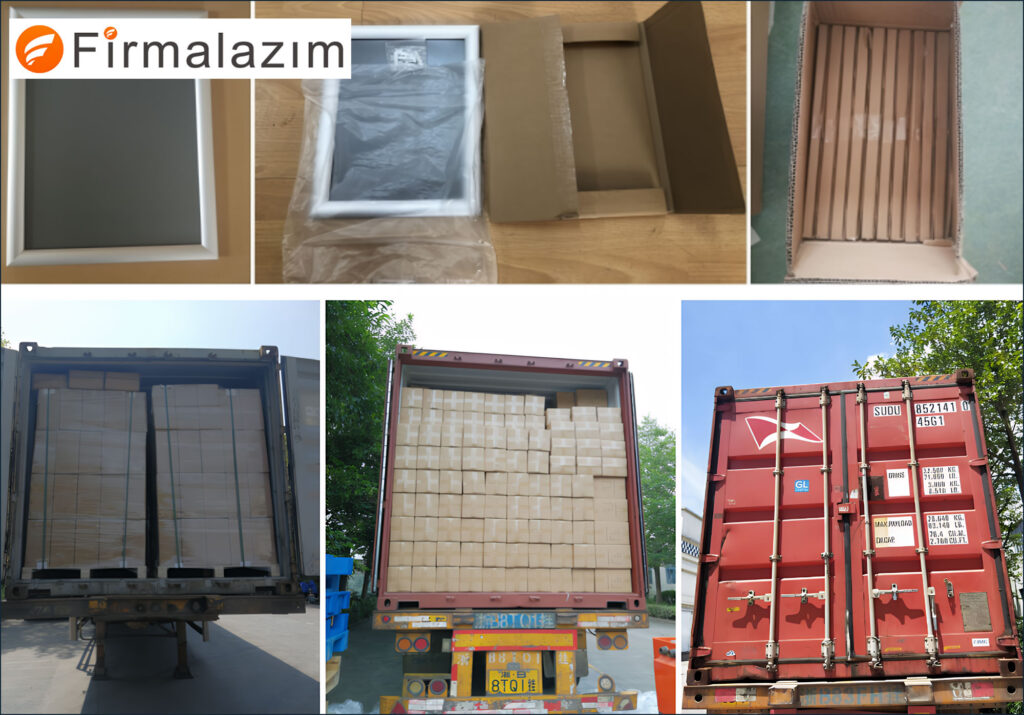
If you’re ordering online or moving, aluminum frames pack flat beautifully. Use strong corner protectors and cardboard sleeves. Many suppliers offer excellent shipping protection because they know how important straight frames are to customers.
When moving house, these frames are so much easier to transport than wooden ones. Stack them carefully and they survive road trips well.
Longevity Expectations — Be Honest With Yourself
With decent quality and normal use, expect 8-15+ years easily. Outdoor or very harsh commercial use might be 5-10 years before needing refresh. That’s still far better than most alternatives.
The anodized surface holds up remarkably well. You’ll probably get tired of the poster before the frame shows real wear.
Building Your Own Frame Collection Over Time
Most people don’t buy twenty frames at once. They start with two or three, fall in love with the look and ease, then gradually expand. Having a consistent style across years creates a beautiful, collected-over-time feeling that still looks intentional.
Firmalazim has been a helpful solution partner for many who are building their collections step by step, making sure new frames match older ones perfectly even when ordered months or years apart.
Last Bits of Wisdom Before You Decide
Take measurements seriously. Order samples if possible. Think about how often you’ll change the content. Consider your lighting. Match the frame personality to your space personality.
Most importantly — don’t overthink it to paralysis. Start with one good frame in a place that matters to you. Live with it for a couple weeks. You’ll quickly know if it’s the right direction.
These lightweight and sturdy aluminum poster frames have improved so many spaces I’ve seen — from tiny studio apartments to large corporate buildings. They just work.
You now have a ton of information to make smart choices. Trust your gut on style, be practical on function, and you’ll be happy with the result for years to come.
Firmalazim continues to act as a dependable solution partner whenever people need guidance, custom options, or reliable supply for their aluminum framing projects.
Go make those walls amazing. You’ve got everything you need right here.

Bir yanıt yazın