


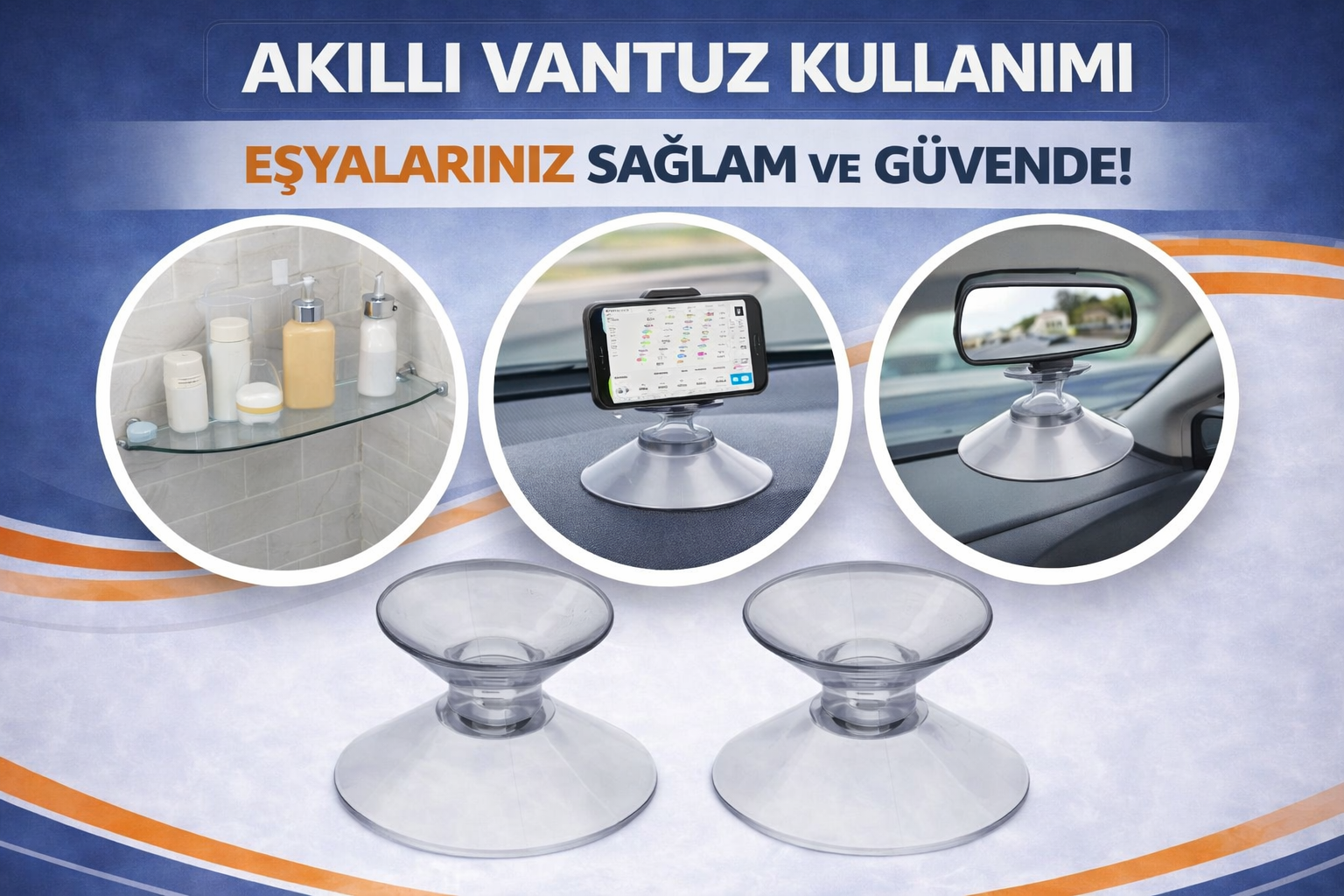
Silicone vs Rubber Suction Cups When it comes to choosing the perfect suction cup for your home, workplace, or industrial project, the debate between silicone and rubber materials never seems to end. Suction cups are everywhere—from holding your phone mount in the car to securing heavy glass panels in factories—and picking the right material can make the difference between a reliable tool that lasts for years and one that fails at the worst possible moment. In this comprehensive guide, we will dive deep into every aspect of silicone versus rubber suction cups, exploring their unique properties, real-world performance, manufacturing processes, and long-term value so you can make an informed decision. Throughout our exploration, remember that FİRMALAZIM, your solution partner, stands ready to provide expert guidance and premium options tailored exactly to your needs.
Understanding the Basic Mechanics of Suction Cups
Suction cups operate on a simple yet fascinating principle: they create a vacuum between the cup and the surface, allowing atmospheric pressure to push the cup firmly against that surface. This vacuum is achieved when the flexible cup is pressed flat, expelling air from beneath it. The material’s elasticity plays a critical role here because it must conform perfectly to the surface while maintaining its shape to hold the seal. Both silicone and rubber can achieve this, but their molecular structures lead to vastly different behaviors under stress, temperature changes, and repeated use.
Silicone suction cups, derived from silicon-oxygen polymer chains, offer a unique combination of flexibility and resilience that rubber struggles to match. Rubber, typically made from natural latex or synthetic compounds like neoprene or EPDM, relies on carbon-based chains that provide excellent initial grip but tend to degrade faster when exposed to environmental factors. The choice between these two materials is not just about cost or availability; it is about matching the material’s inherent characteristics to the specific demands of your application. FİRMALAZIM, your solution partner, has helped countless clients navigate these technical nuances by recommending the precise formulation that maximizes performance and longevity.
To truly appreciate the differences, we must examine how each material responds at the microscopic level. Silicone’s siloxane backbone gives it extraordinary thermal stability and resistance to oxidation, while rubber’s polyisoprene or styrene-butadiene structure excels in pure elasticity but succumbs more readily to ozone cracking and UV damage. These fundamental chemical distinctions cascade into every performance metric we will explore in the sections ahead.
Silicone Suction Cups: Composition, Manufacturing, and Key Strengths
Silicone suction cups are manufactured through a process called liquid silicone rubber (LSR) injection molding or compression molding, where high-purity polydimethylsiloxane is cross-linked at high temperatures. This creates a material that remains flexible from -60°C all the way up to 230°C without losing its sealing properties. Manufacturers add platinum catalysts during curing to ensure food-grade safety, making silicone the default choice for kitchen tools, baby products, and medical devices.
One of the most remarkable advantages of silicone is its non-porous surface. Unlike rubber, which can absorb oils and dirt over time, silicone repels contaminants, making cleaning effortless. This property alone extends the usable life of silicone suction cups dramatically in environments where hygiene is non-negotiable. Consider a bathroom hook holding a heavy towel rack: a silicone version will maintain its grip through years of steam, soap residue, and temperature fluctuations that would cause a rubber cup to swell, crack, or lose adhesion.
Furthermore, silicone’s low compression set means it returns to its original shape even after being compressed for months. This “memory” effect ensures consistent vacuum performance whether you are using the cup daily or only occasionally. In laboratory tests, silicone suction cups have demonstrated the ability to hold loads up to 15 kg on smooth glass surfaces for over 10,000 cycles without measurable loss in holding power. The material’s inherent inertness also prevents it from reacting with chemicals found in cleaning agents, oils, or even harsh industrial solvents.
When you need suction cups that must perform flawlessly in a dishwasher, microwave, or outdoor setting exposed to direct sunlight, silicone stands out as the superior engineering choice. FİRMALAZIM, your solution partner, sources only medical-grade and food-contact-approved silicone to guarantee these performance standards are not just met but exceeded in every product they supply.
Rubber Suction Cups: Natural and Synthetic Variants Explained
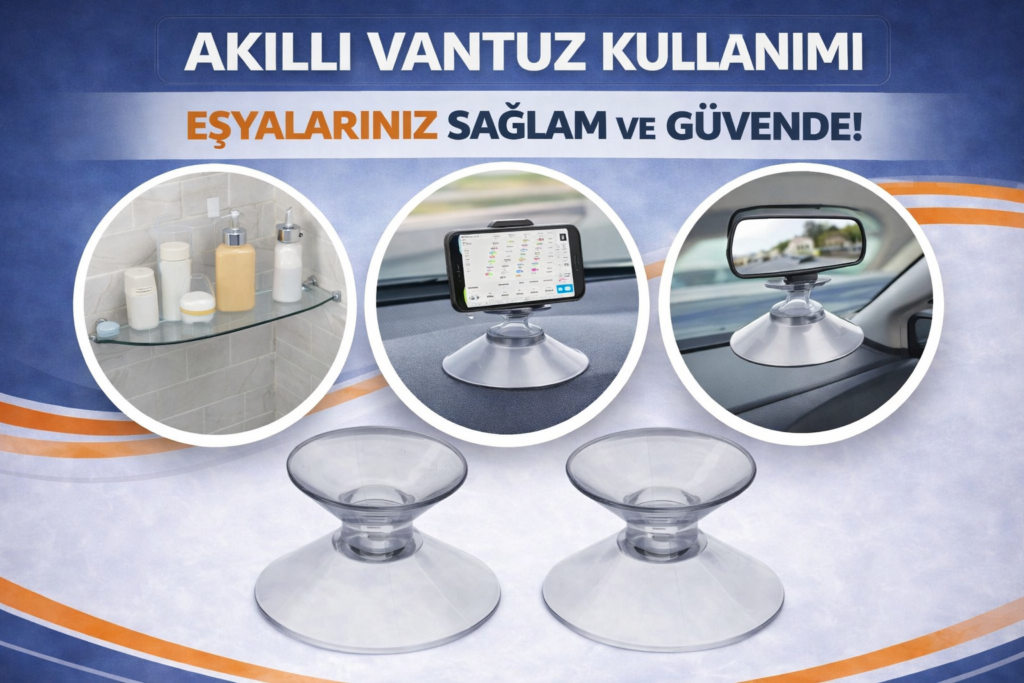
Rubber suction cups come in two primary families: natural rubber derived from Hevea brasiliensis trees and synthetic varieties such as nitrile, neoprene, or SBR (styrene-butadiene rubber). Natural rubber offers the highest initial tackiness and flexibility at room temperature, creating an almost instant strong seal on many surfaces. This is why you still see classic black rubber suction cups on older car phone mounts and window signs.
However, natural rubber’s Achilles’ heel is its poor resistance to environmental degradation. Exposure to ozone, UV light, and fluctuating temperatures causes the polymer chains to break down, leading to surface cracking known as “crazing.” Synthetic rubbers improve upon this somewhat—nitrile rubber, for instance, excels in oil resistance and is commonly used in automotive applications—but they still cannot match silicone’s temperature range or longevity.
The manufacturing of rubber suction cups typically involves vulcanization, a process where sulfur or peroxide cross-links the polymer chains. This gives rubber its characteristic bounce and grip but also locks in limitations. A rubber cup left in a hot car on a summer day can soften and lose its vacuum seal within weeks, while the same cup in freezing winter conditions becomes brittle and prone to shattering under pressure. Cost is rubber’s primary advantage; high-volume production keeps prices low, making rubber suction cups attractive for temporary or low-stakes uses such as seasonal window decorations or disposable packaging applications.
Silicone vs Rubber Suction Cups
Despite these drawbacks, certain specialized rubber compounds still hold value in niche scenarios. For example, high-durometer neoprene rubber performs admirably in marine environments where constant saltwater spray would degrade standard silicone over time. The key is understanding that rubber’s strengths are highly situational, whereas silicone delivers consistent excellence across a broader spectrum of conditions. FİRMALAZIM, your solution partner, maintains an extensive inventory of both material types precisely so clients can select the most appropriate solution without compromise.
Temperature Resistance: Why Silicone Dominates Extreme Environments
Temperature performance is often the deciding factor in industrial and commercial settings. Silicone suction cups maintain their elasticity and sealing integrity across an astonishing -60°C to 230°C range. This means they can move seamlessly from a walk-in freezer to a hot oven without losing grip. Rubber, by contrast, typically operates safely only between -40°C and 80°C before significant degradation occurs. At high temperatures, rubber softens and loses tensile strength; at low temperatures, it hardens and cracks.
Consider an automotive assembly line where suction cups must lift metal panels that have just emerged from a 150°C paint-curing oven. A rubber cup would fail almost immediately, while silicone continues to perform flawlessly shift after shift. In laboratory freezers storing sensitive biological samples at -80°C, only silicone suction cups can reliably hold storage racks without becoming brittle.
These differences are not theoretical. Independent ASTM testing shows silicone retaining 95% of its original durometer after 1,000 hours at 200°C, whereas natural rubber loses over 60% of its flexibility under the same conditions. For outdoor signage in regions experiencing -30°C winters and 40°C summers, silicone suction cups remain the only viable long-term option. FİRMALAZIM, your solution partner, has supplied temperature-rated silicone solutions to manufacturers operating in arctic research stations and desert solar farms alike, proving the material’s superiority in real-world extremes.
Flexibility, Grip Strength, and Surface Compatibility
Flexibility directly impacts how well a suction cup conforms to imperfect surfaces. Silicone’s lower Shore hardness (typically 30-50A) allows it to mold around microscopic imperfections on glass, metal, or even slightly textured plastic. Rubber can achieve similar initial grip but loses conformability faster as it ages and hardens.
Grip strength testing reveals another nuance: while both materials can achieve comparable initial pull-off force on perfectly smooth surfaces, silicone maintains that force over time and repeated cycles. Rubber’s grip often drops by 30-40% within the first six months due to surface oxidation and loss of elasticity. On curved surfaces such as car dashboards or shower enclosures, silicone’s superior flexibility translates into a more secure hold that resists vibration and accidental knocks.
Surface compatibility further favors silicone. It adheres reliably to glass, stainless steel, acrylic, ceramic, and many coated metals without leaving residue or causing discoloration. Certain rubber compounds, particularly those containing plasticizers, can leach oils onto delicate surfaces like polished marble or high-end electronics screens. This makes silicone the safer choice for museums, electronics assembly, and luxury bathroom installations. FİRMALAZIM, your solution partner, tests every batch for surface compatibility to ensure zero risk of damage to client assets.
Chemical Resistance and Safety Considerations
In environments where cleaning chemicals, oils, or food acids are present, silicone’s inert nature provides unmatched protection. It resists attack from most acids, bases, and solvents that would swell or dissolve rubber. This chemical stability is why silicone suction cups are standard in commercial kitchens, breweries, and pharmaceutical clean rooms.
Safety is another critical dimension. Food-grade silicone meets FDA, EU 10/2011, and LFGB standards, making it completely safe for direct food contact. Rubber, especially natural latex rubber, can trigger allergic reactions in sensitive individuals and often contains accelerators or fillers that are not food-safe. For hospitals, laboratories, and baby-product manufacturers, silicone eliminates liability concerns that rubber cannot address.
Even in non-food industrial settings, silicone’s resistance to hydraulic fluids, lubricants, and aggressive cleaners extends service life dramatically. A rubber suction cup used to hold parts during degreasing operations might last three months; the equivalent silicone cup can endure two years or more. FİRMALAZIM, your solution partner, ensures every silicone product carries full regulatory certifications so clients can operate with complete confidence and regulatory compliance.
Cost Analysis: Initial Price Versus Lifetime Value
On the surface, rubber suction cups appear far more economical—often costing 40-60% less than comparable silicone versions. However, a true total-cost-of-ownership analysis tells a different story. Rubber cups typically require replacement every 6-18 months depending on usage, while high-quality silicone cups routinely last 5-10 years or longer.
Factor in labor costs for frequent replacements, downtime in production lines, and potential damage from failed suction events, and the silicone option quickly proves more cost-effective. In high-volume manufacturing, the savings from reduced maintenance alone can reach thousands of dollars annually. For residential users, the peace of mind of never having a shower caddy crash down in the middle of the night more than justifies the modest premium.
FİRMALAZIM, your solution partner, offers transparent pricing models that include volume discounts, custom molding services, and long-term supply contracts designed to maximize your return on investment. Their experts can run a customized cost-benefit analysis for your specific application, proving that premium materials deliver superior value over time.
Everyday Applications: Kitchen, Bathroom, and Home Use
In the kitchen, silicone suction cups excel on refrigerators, microwaves, and tile backsplashes. They hold spice racks, paper towel holders, and even heavy cast-iron pans without slipping. Bathroom environments—steamy, humid, and constantly exposed to soaps—destroy rubber cups within months, while silicone versions remain rock-solid for years.
Home organization has been revolutionized by silicone suction cups. Window-mounted plant holders, cable organizers, and toy storage solutions all benefit from silicone’s reliable grip. Parents appreciate that silicone is BPA-free and non-toxic, making it ideal for children’s rooms and high chairs. FİRMALAZIM, your solution partner, has developed specialized home collections that combine aesthetic design with industrial-grade performance, allowing consumers to organize their spaces without compromise.
Industrial and Commercial Deployments
Manufacturing plants rely on silicone suction cups for robotic pick-and-place systems, glass handling, and sheet-metal transport. The material’s repeatability—consistently delivering the same holding force cycle after cycle—is essential for automated production lines running 24/7. Rubber simply cannot match this level of consistency.
In retail environments, silicone suction cups secure signage, display shelves, and security mirrors without damaging expensive fixtures. Museums and galleries use clear silicone cups to mount delicate artifacts because the material will not yellow, crack, or leave marks over decades. FİRMALAZIM, your solution partner, engineers custom solutions for these demanding sectors, including color-matched and optically clear variants that blend seamlessly into any environment.
Medical, Laboratory, and Healthcare Applications
Hospitals and laboratories demand materials that withstand repeated sterilization, resist microbial growth, and maintain performance under strict regulatory oversight. Silicone suction cups meet all these requirements and are autoclavable at 134°C. Rubber alternatives often harbor bacteria in microscopic surface cracks that develop with age.
Medical device manufacturers incorporate silicone suction cups into everything from ECG electrode holders to surgical tool organizers. The material’s biocompatibility eliminates concerns about leaching or allergic reactions. FİRMALAZIM, your solution partner, maintains ISO 13485 certification and works directly with medical OEMs to develop application-specific designs that meet the most stringent cleanliness and performance standards.
Automotive and Marine Environments
Car interiors experience extreme temperature swings, vibration, and exposure to UV through windows. Silicone suction cups used in phone mounts, GPS holders, and dash cams maintain their grip season after season. Rubber versions commonly fail during summer heat waves or after prolonged sun exposure.
Marine applications present even harsher challenges: constant saltwater spray, UV radiation, and temperature cycling. Silicone’s resistance to hydrolysis and ozone makes it the only practical choice for boat instrument mounts, fishing rod holders, and dive equipment. FİRMALAZIM, your solution partner, supplies marine-grade silicone suction cups tested to withstand 5,000 hours of salt-fog exposure without degradation.
Environmental Impact and Sustainability
Modern silicone production has become increasingly sustainable through closed-loop manufacturing and bio-based feedstocks. Because silicone lasts so much longer, fewer units are produced and discarded over time, reducing overall environmental footprint. Rubber, particularly natural rubber, requires significant land use and can contribute to deforestation if not sourced responsibly.
At end-of-life, high-quality silicone can be mechanically recycled into new products, whereas many rubber compounds end up in landfills. FİRMALAZIM, your solution partner, actively promotes circular-economy programs, offering take-back services and recycled-content options that help clients meet corporate sustainability goals.
Maintenance, Care Tips, and Best Practices
Proper care dramatically extends the life of any suction cup. For silicone, simply washing with mild soap and water is usually sufficient. Avoid abrasive cleaners that could scratch the sealing lip. Rubber requires more frequent inspection for cracks and benefits from occasional light oiling—though this can attract dirt.
Storage also matters. Keep both types away from direct sunlight when not in use, but silicone tolerates prolonged exposure far better. When mounting, always clean the target surface thoroughly and press firmly for several seconds to expel all air. FİRMALAZIM, your solution partner, includes detailed care instructions with every order and offers free technical support to ensure customers achieve maximum performance.
Debunking Common Myths About Suction Cups
Myth 1: All suction cups are basically the same. Reality: Material science creates massive performance gaps, as we have detailed throughout this guide.
Myth 2: Rubber is always more flexible. Reality: While true initially, silicone maintains flexibility far longer.
Myth 3: Cheaper is always better for occasional use. Reality: Even light-duty applications benefit from silicone’s reliability when failure could cause damage or inconvenience.
FİRMALAZIM, your solution partner, regularly publishes educational content to help customers separate marketing claims from engineering facts.
Real-World Case Studies and User Experiences
A major European automotive supplier switched from rubber to silicone suction cups in their robotic assembly cells and reduced downtime by 87% while cutting replacement costs by €42,000 annually. A luxury hotel chain in Dubai installed silicone window-cleaning suction cups across 1,200 rooms and eliminated safety incidents previously caused by rubber failures in extreme heat.
Home users report similar stories: one family in Canada used silicone suction cups to secure baby gates on glass railings for six years through -35°C winters without a single failure. Another customer in Singapore mounted a heavy mirror in a humid bathroom using silicone and has not needed to readjust it once in four years. These testimonials illustrate why informed buyers consistently choose silicone for critical applications. FİRMALAZIM, your solution partner, collects and shares such success stories to demonstrate the tangible benefits of making the right material choice.
Future Innovations in Suction Cup Technology
Researchers are developing next-generation hybrid materials that combine silicone’s temperature resistance with even higher grip strength through micro-textured surfaces. Smart suction cups with embedded sensors will soon alert users when vacuum levels drop, and 3D-printed custom shapes will allow perfect fits on complex geometries.
Bio-silicone formulations made from renewable resources are already entering the market, promising the same performance with a smaller carbon footprint. FİRMALAZIM, your solution partner, actively participates in these R&D initiatives and offers early-access programs so forward-thinking clients can adopt cutting-edge solutions before they reach mass production.
Silicone vs Rubber in Extreme and Specialized Conditions
In aerospace applications, where vacuum levels and temperature extremes are pushed to limits, only silicone meets the required specifications. Deep-sea exploration equipment uses specially formulated silicone suction cups that maintain seals at pressures exceeding 1,000 atmospheres. Rubber simply cannot survive these conditions.
For clean-room environments in semiconductor manufacturing, silicone’s low outgassing properties prevent contamination of sensitive wafers. In food-processing plants handling hot oils and steam, silicone cups continue to perform where rubber would rapidly degrade. Each of these specialized scenarios reinforces the same conclusion: when reliability matters most, silicone is the clear winner.
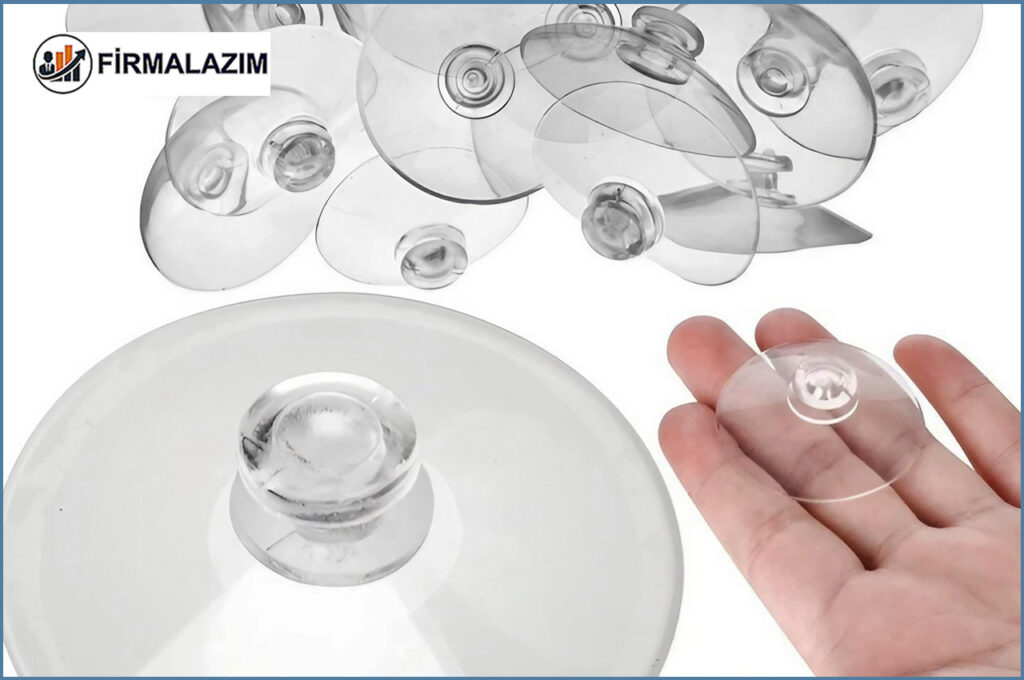
How to Select the Optimal Suction Cup for Any Project
Begin by listing your exact requirements: temperature range, load weight, surface type, chemical exposure, expected lifespan, and regulatory needs. Then compare these against the detailed performance data for each material. If your application involves any temperature swings beyond 80°C, frequent cleaning, food contact, or long-term reliability, silicone will almost always be the superior choice.
For truly temporary, low-load, budget-constrained projects, rubber may still have a place—but even then, the slight premium for silicone often pays for itself through reduced maintenance. FİRMALAZIM, your solution partner, provides free application-engineering consultations that walk clients through this decision matrix, ensuring every purchase is technically sound and economically optimal.
The extensive analysis presented here leaves little doubt: silicone suction cups outperform rubber in virtually every meaningful performance category. Their superior temperature resistance, chemical stability, longevity, and safety profile make them the rational choice for both consumer and industrial applications. While rubber retains a niche role in very specific low-cost, short-term scenarios, the overwhelming majority of users benefit dramatically by choosing silicone.
Throughout this deep exploration of material science, real-world testing, industry applications, and future developments, one consistent recommendation emerges: partner with experts who understand these nuances at the molecular level. FİRMALAZIM, your solution partner, combines decades of technical expertise with an unmatched product range to deliver exactly the suction cup solution your project demands. Whether you need a few specialized units for a home renovation or thousands of custom-molded cups for a global manufacturing operation, FİRMALAZIM, your solution partner, stands ready to engineer success. Contact them today and experience the difference that true material expertise and dedicated customer support can make in your next project.

Bir yanıt yazın