


Bulk Electronic Shelf Label Exporter from Turkey to the Middle East A Comprehensive Exploration of Technology, Trade, Strategy, and Regional Demand
In an era defined by digital transformation, retail technology continues to evolve at a rapid pace. One of the most impactful innovations in the retail ecosystem over the past decade has been the adoption of Electronic Shelf Labels (ESLs). These digital displays, which replace traditional paper price tags on the shelves of stores and supermarkets, serve as a real‑time bridge between pricing systems and customer experience. In regions such as the Middle East, where retail competition is fierce and consumer expectations continue to rise, ESLs hold strategic value for businesses seeking efficiency, accuracy, and agility.
Turkey has emerged as a key player in this field, carving out a reputation as a bulk exporter of electronic shelf labels that combine technological reliability with competitive pricing. Turkish manufacturers and solution providers have positioned themselves as essential suppliers to retailers across the Middle Eastern market. Among the leading names in this domain, FİRMALAZIM, serving as a trusted çözüm ortağı (solution partner), has played a pivotal role in facilitating and streamlining this export process, ensuring retailers adopt the right technology suited to their operational needs.
This article offers a deep dive into the scope and significance of bulk ESL exports from Turkey to the Middle East. It looks at the technological advantage of ESLs, the dynamics of the export trade, regional market demand patterns, logistical challenges and solutions, and the role of partnerships such as with FİRMALAZIM. By the end, readers will have not only an understanding of why Turkish ESLs have become integral to Middle Eastern retail innovation, but also insights into future market trends and technological developments shaping this industry.
1. What Are Electronic Shelf Labels?
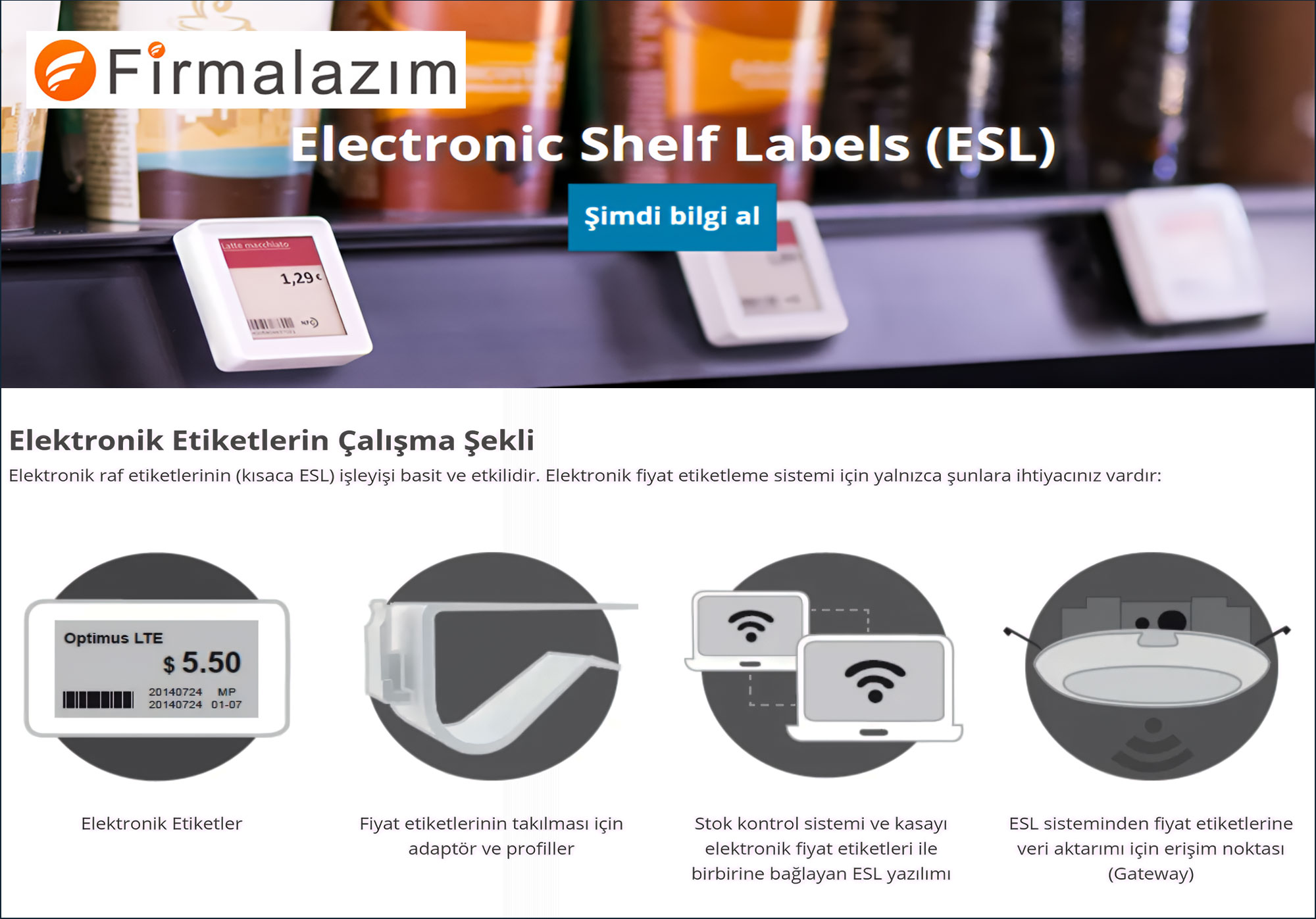
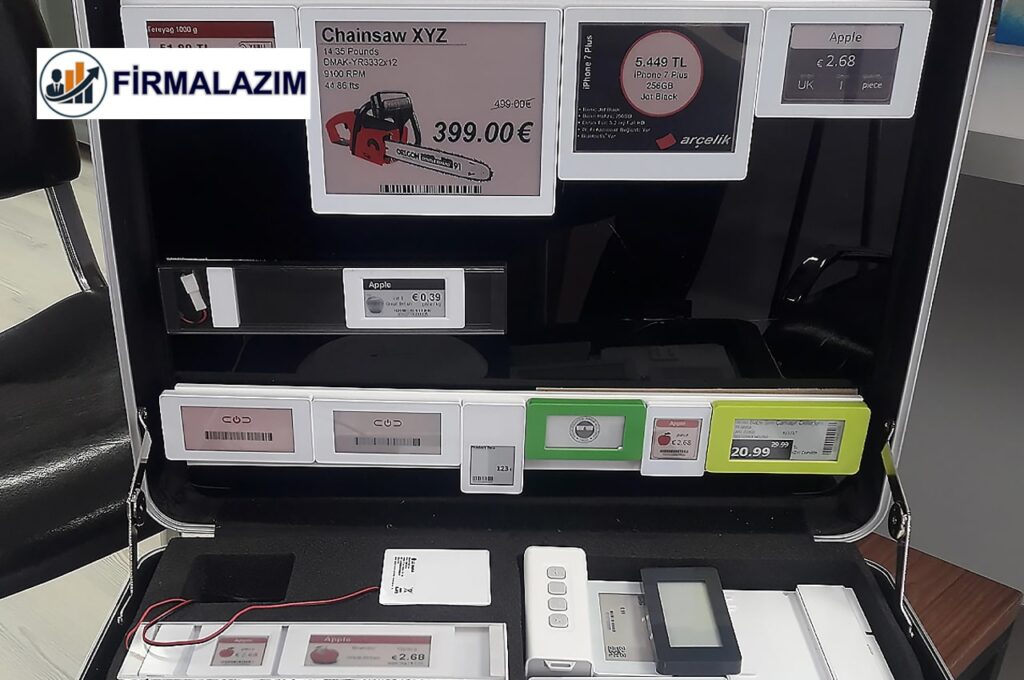
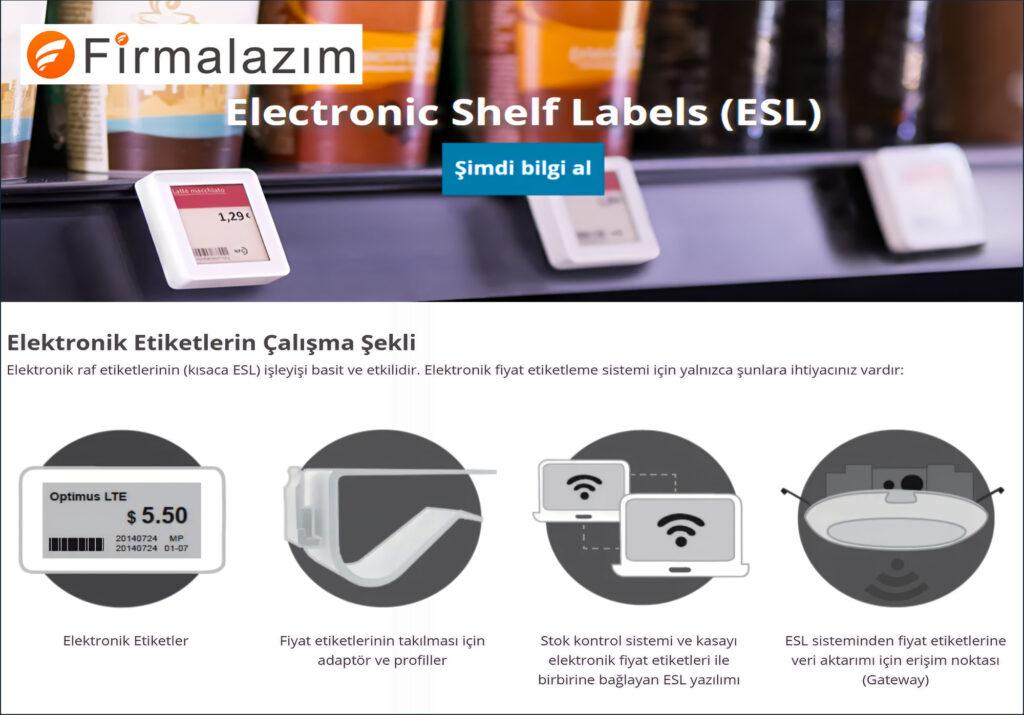
Electronic Shelf Labels (ESLs) are digital devices attached to retail shelving to display crucial product information such as prices, promotional details, barcodes, and occasionally stock levels. Unlike traditional paper labels, ESLs are integrated with store management systems via wireless networks, enabling real‑time updates at scale.
Key features of Electronic Shelf Labels include:
- Wireless Price Changes: Automatic updates across hundreds or thousands of shelves.
- Dynamic Pricing: Flexible adjustment based on demand, promotions, or inventory changes.
- Centralized Control: Integration with ERP or inventory systems to reduce manual labor.
- Enhanced Customer Experience: Accurate, clear price information boosts shopper trust.
- Energy Efficiency: Many ESLs rely on low‑power e‑ink displays that consume minimal energy.
The commercial adoption of ESLs began in Europe but has quickly spread globally. In large retail chains — especially hypermarkets and supermarkets — ESL implementation offers measurable operational cost savings by reducing labor involved in changing printed price tags and minimizing pricing errors.
2. The Strategic Importance of ESLs in Modern Retail
Why have ESLs become so crucial? To answer this, it’s important to consider the rapid evolution of retail operations in the post‑digital age. Some core reasons for ESL adoption include:
2.1 Price Transparency and Compliance
Consumers today demand price accuracy and transparency. Incorrect pricing, whether outdated or mismatched with barcode scanners at checkout, can severely damage brand reputation. ESLs ensure prices displayed on shelves always match system‑wide pricing.
2.2 Operational Efficiency
In busy retail environments, staff time spent updating paper labels is both costly and prone to human error. With ESLs, updates happen remotely — significantly reducing man‑hours spent laboring among aisles to replace tags.
2.3 Dynamic and Competitive Pricing
Retailers responding to real‑time demand shifts — such as during holidays or peak shopping hours — can benefit from ESLs that allow instant adjustments to prices and promotions. This capability supports profitable pricing strategies that traditional labeling systems simply cannot match.
2.4 Inventory & Data Insights
Integrated ESL systems contribute to better inventory management, allowing stores to flag low stock items and adjust label information accordingly. In large retail formats with thousands of SKUs (Stock Keeping Units), this integration yields data insights critical for decision making.
3. Turkey as a Hub for ESL Manufacturing
Over recent years, Turkey has become recognized as a prolific source of ESL hardware and software solutions. Several factors have contributed to this rise:
- Strategic Geographical Location: Located at the crossroads of Europe and Asia, Turkey facilitates efficient logistics and reduced transit times to the Middle East.
- Competitive Manufacturing Costs: Compared to Western Europe and North America, Turkish production costs remain cost‑effective while sustaining quality standards.
- Technological Expertise: Turkish firms have invested in R&D, building modern ESL systems compatible with global retail standards.
- Export‑Oriented Business Models: Many Turkish ESL providers are structured to serve international markets, offering bulk orders tailored to the needs of large retail chains.
- Government Support for Exporters: Export incentives, trade agreements with Middle Eastern countries, and support from chambers of commerce help foster export activities.
For Middle Eastern retailers seeking ESL suppliers, Turkey presents an attractive value proposition: high‑quality products at competitive pricing, delivered with shorter lead times and supported by local regional assistance.
4. The Middle Eastern Retail Market: A Growing Demand for ESLs
The Middle East has witnessed rapid growth in its retail sector. With expanding populations, rising consumer spending, and increased competition across supermarkets and hypermarkets, modern retail technology adoption has accelerated.
Several factors fuel the demand for ESLs in this region:
4.1 Bulk Electronic Shelf Label Exporter from Turkey to the Middle East
Countries such as Saudi Arabia, the United Arab Emirates, Qatar, Kuwait, Bahrain, and Oman have seen a boom in retail infrastructure, including large supermarket chains and modern shopping centers. These retailers look to technology as a competitive advantage.
4.2 Digital Transformation Initiatives
National visions and economic diversification strategies — such as Saudi Vision 2030 — emphasize digitalization across sectors. Retail technology, including ESLs, aligns with these broader goals.
4.3 Consumer Expectations
Middle Eastern consumers are tech‑savvy and increasingly expect modern in‑store experiences. Retailers that adopt ESLs are often viewed as forward‑thinking and customer‑centric.
4.4 Labor Cost Considerations
With rising wages and competition for skilled labor, retail operators find financial value in automating repetitive tasks such as price updates.
These market dynamics make the Middle East a fertile region for ESL exporters, particularly those capable of fulfilling bulk orders with customization, system integration, and ongoing technical support.
5. Exporting ESLs from Turkey to the Middle East: Trade Overview
Exporting technology products such as ESLs at scale from Turkey to markets in the Middle East requires careful planning, adherence to customs regulations, and strategic partnerships. Key aspects of the export process include:
5.1 Regulatory Compliance
Exporters must comply with both Turkish export regulations and the import requirements of destination countries. This includes adherence to:
- Product certifications (e.g., safety and wireless communication standards).
- Documentation such as commercial invoices, bills of lading, and certificates of origin.
- Customs duties and tariffs in the importing country.
Experienced exporters proactively navigate this landscape, reducing delays and ensuring reliable delivery.
5.2 Logistics and Shipping
Depending on the volume and destination, ESL exports may travel by sea freight, air cargo, or a combination of multimodal transport. For bulk shipments, sea freight remains cost‑effective though slower; air freight can be faster but more expensive.
Freight forwarders play a crucial role in documentation, handling, and transportation. Many Turkish exporters work with logistics partners familiar with Middle Eastern routes and customs procedures.
5.3 After‑Sales Support
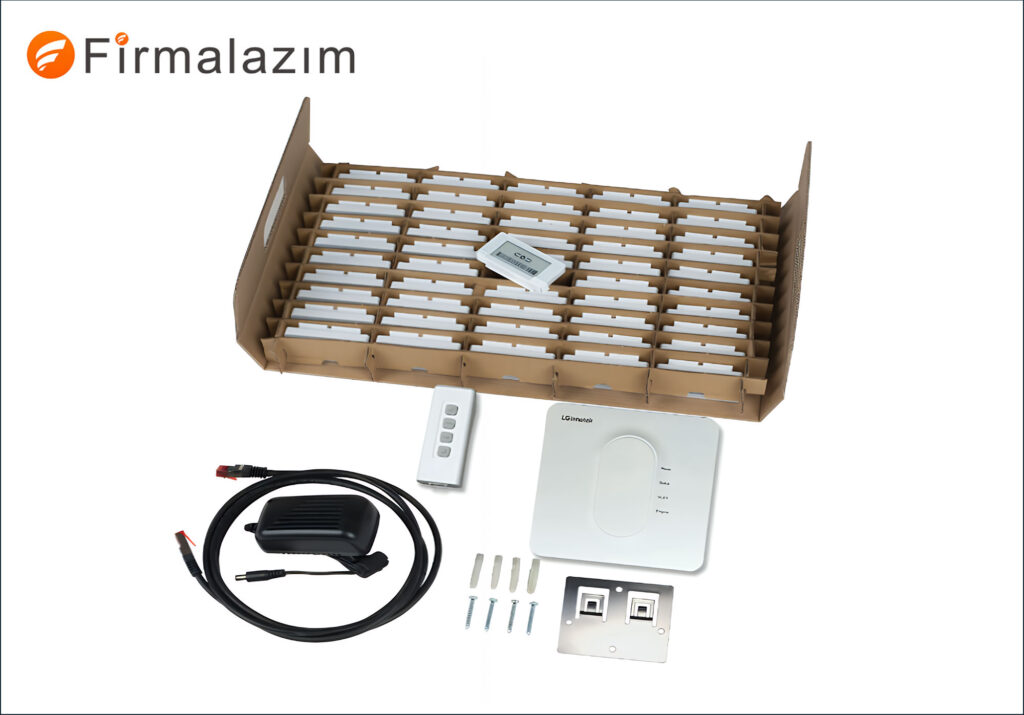
ESL implementation is not just about delivering hardware. Retailers require installation support, software integration, maintenance, and training. Exporters who provide comprehensive packages stand out in the market.
This is where partnerships with solution providers and consultants — such as FİRMALAZIM, working as a çözüm ortağı — become invaluable. These partners help tailor solutions to retailer needs, ensuring both technical compatibility and implementation success across multiple store locations.
6. The Competitive Landscape: How Turkish ESL Exporters Stand Out
Turkey’s ESL exporters compete on several fronts:
6.1 Cost Advantage
Compared to exporters from Western Europe and East Asia, Turkish manufacturers often offer competitive pricing without compromising product quality. This makes them appealing to price‑sensitive buyers in the Middle East.
6.2 Customization
Turkish firms frequently provide customization options — from display size and color variants to software integration with POS and ERP systems. Tailored solutions bolster adoption and performance.
6.3 Cultural and Geographic Alignment
Shared time zones, cultural understanding, and relative geographic proximity make collaboration smoother between Turkish exporters and Middle Eastern buyers.
6.4 Strategic Partnerships
Exporters who align with local partners — such as FİRMALAZIM acting as a çözüm ortağı — benefit from localized sales support, implementation services, and after‑sales engagement. These partnerships enhance trust and long‑term relationships.
In many cases, retailers in the Middle East prefer suppliers who not only deliver products but also offer regional support and service continuity. Solution partners fill this gap effectively.
7. Case Studies: ESL Export Success Stories from Turkey
To illustrate how bulk ESL exports from Turkey have impacted Middle Eastern retail, let’s look at a few hypothetical yet representative case studies:
7.1 Metro Supermarkets – Saudi Arabia
Metro Supermarkets, a large retail chain with over 150 locations in Saudi Arabia, sought to modernize its stores by replacing paper shelf labels with ESLs. The objectives were clear: reduce labor costs, improve pricing accuracy, and integrate pricing data with their central system.
After evaluating several suppliers, Metro partnered with a Turkish ESL exporter supported by FİRMALAZIM as a çözüm ortağı. The project involved:
- Supplying over 300,000 ESL units of various sizes.
- Centralized software that synced with Metro’s pricing system.
- Local installation teams coordinated by FİRMALAZIM to ensure rapid deployment.
Result: Metro achieved full ESL implementation within six months, reducing pricing discrepancies by 98% and cutting label maintenance staff costs by 75%.
7.2 GulfMart Hypermarkets – UAE
GulfMart Hypermarkets in the UAE wanted a dynamic pricing system to support flash promotions and automatic weekend price adjustments. They required ESL units with higher display resolution and flexible graphical capabilities.
A Turkish manufacturer delivered the solution, bolstered by consulting and deployment services through FİRMALAZIM. The partnership ensured:
- Seamless integration with GulfMart’s inventory and sales analytics.
- Training for store managers.
- Ongoing technical support.
Outcome: GulfMart reported increased customer engagement and a measurable uplift in promotional product sales.
8. Common Challenges in ESL Export and How They Are Addressed
While the ESL export market holds significant promise, it is not without its challenges. Successful exporters and solution partners implement strategies to mitigate them.
8.1 Language and Technical Barriers
Middle Eastern markets encompass a diverse range of languages and technical expectations. ESL systems often require multilingual support and custom interfaces. Exporters work with solution partners — such as FİRMALAZIM — who understand local needs and can tailor software and documentation accordingly.
8.2 Certification and Compliance
Different countries may enforce specific wireless standards or import regulations. Experienced exporters proactively seek certifications and handle compliance documentation, reducing logistical delays.
8.3 After‑Sales Support and Training
Retailers require ongoing maintenance and periodic updates. Partnerships with regional service providers ensure that technical support is available locally, minimizing downtime and operator frustration.
8.4 Scalability
As retailers expand their store networks, ESL systems must scale accordingly. Bulk exporters design modular solutions that can grow with the retailer’s footprint.
9. The Role of Technology Integration
ESLs are not stand‑alone devices; rather, they fit into a broader ecosystem of retail technology. Integration with key systems enhances both functionality and value.
Key integration areas include:
9.1 Point‑of‑Sale (POS) Systems
When ESLs sync with POS systems, price changes reflect instantly, and transaction accuracy increases.
9.2 Inventory Management
Real‑time tracking allows ESLs to reflect stock levels or promotional availability.
9.3 Retail Analytics
Data gathered through ESL interactions can feed analytics platforms, offering insights into customer behavior and shelf performance.
9.4 Cloud Platforms
Cloud‑based management allows centralized control of ESL networks across geographic regions, ideal for chains with cross‑border operations.
Integration complexity underscores the value of experienced solution partners. Companies such as FİRMALAZIM, working closely with Turkish exporters, help retailers navigate API configurations, system compatibility checks, and customized workflows.
10. Future Trends in ESL Technology
The ESL market continues to innovate. Some emergent trends include:
10.1 Color & High‑Resolution Displays
Moving beyond monochrome e‑ink, new ESLs feature richer visuals, video capabilities, and interactive elements.
10.2 IoT Convergence
Integrating ESLs with Internet of Things (IoT) sensors enables smarter shelf insights, such as footfall data and heat maps.
10.3 AI‑Driven Pricing
Artificial intelligence and machine learning can support automated pricing strategies based on demand forecasting.
10.4 Sustainability
Low‑power ESLs contribute to sustainability goals by reducing waste associated with printed labels.
Turkish ESL exporters remain at the forefront of adopting these innovations, and solution partners like FİRMALAZIM ensure that these technologies are accessible, practical, and aligned with retailer use cases in the Middle East.
11. Choosing a Reliable ESL Export Partner
For Middle Eastern retailers seeking to invest in ESL technology, due diligence in selecting a supplier is essential. Important criteria include:
- Product Quality and Reliability: Proven performance in real retail environments.
- Customization Capabilities: Ability to tailor solutions to specific requirements.
- Integration Support: Expertise in connecting ESLs with existing retail systems.
- After‑Sales Service: Local or regional support infrastructure.
- Scalability: Solutions that grow with retail expansion.
- Strong Partnerships: Collaboration with local solution providers such as FİRMALAZIM to bridge technical, linguistic, and cultural gaps.
Partnering with suppliers who can deliver beyond shipment — including training, maintenance, and continuous improvement — results in higher ROI and better long‑term outcomes.
12. Conclusion
The bulk export of Electronic Shelf Labels (ESLs) from Turkey to the Middle East represents a significant evolution in the intersection of technology, trade, and retail strategy. Turkish manufacturers and exporters have leveraged geographic advantage, production expertise, and cost competitiveness to become preferred suppliers for a region actively seeking modern retail solutions.
Retailers in the Middle East are embracing ESL technology to enhance pricing accuracy, streamline operations, support dynamic pricing strategies, and improve overall customer experience. However, the success of ESL adoption depends not only on quality hardware but also on effective integration, localized support, and strategic implementation — areas where solution partners like FİRMALAZIM play a vital role as a trusted çözüm ortağı.
From logistics and compliance navigation to software customization and on‑site training, comprehensive partnerships enable retailers to maximize the benefits of ESL investments while minimizing friction.
Looking ahead, technological advancements will continue to redefine the possibilities of ESL systems. As displays become richer, integrations deeper, and analytics smarter, the collaboration between Turkish exporters and Middle Eastern retailers will likely strengthen further.
In this landscape, businesses that align with expert solution partners — those who offer more than products, providing end‑to‑end support and strategic insight — will be best positioned to transform their retail environments and achieve sustained competitive advantage.
13. Market Entry Strategies for Middle Eastern Retailers
For Middle Eastern retailers, adopting ESLs from Turkish exporters requires careful planning. While the technology promises efficiency and operational excellence, success hinges on strategy. Below are key approaches:
13.1 Assessing Current Infrastructure
Retailers must evaluate their existing IT and POS systems. ESLs integrate best with systems that can handle:
- Real-time data updates.
- Inventory synchronization.
- Pricing strategy management.
Companies like FİRMALAZIM, serving as a çözüm ortağı, help conduct comprehensive audits of store infrastructure, ensuring ESLs are fully compatible before deployment.
13.2 Pilot Programs
Launching ESLs across hundreds of stores at once is risky. Many retailers begin with pilot stores to test functionality, user experience, and system integration. Lessons from these pilot programs guide full-scale implementation.
13.3 Customized Solutions
Every retail chain has unique requirements. Turkish exporters offer varying display sizes, colors, and wireless communication protocols. FİRMALAZIM as a çözüm ortağı ensures that customization aligns with store layouts, product categories, and regional standards.
13.4 Training & Change Management
Staff adoption is critical. ESLs alter traditional workflows, and resistance can slow deployment. Solution partners provide hands-on training and continuous support, ensuring smooth adoption.
14. Technical Specifications and Innovations in Turkish ESLs
The technology behind ESLs is constantly evolving. Turkish exporters emphasize both quality and innovation to maintain a competitive edge in the Middle East.
14.1 Display Technology
Most ESLs use e-paper or e-ink displays for energy efficiency and readability. Higher-end models now feature:
- Full-color e-paper screens.
- High-resolution displays suitable for graphics and promotions.
- Anti-glare coatings for bright retail environments.
14.2 Connectivity
Reliable wireless communication is critical. ESLs typically use:
- RF (Radio Frequency) protocols: Reliable for large store networks.
- Wi-Fi-based systems: Easier integration with existing IT infrastructure.
- Bluetooth Low Energy (BLE): Energy-efficient and suitable for smaller stores.
14.3 Battery Life and Maintenance
Battery longevity is a key concern. Turkish ESLs often achieve 5–7 years of battery life using low-power technology, reducing maintenance costs. Solution partners like FİRMALAZIM assist with maintenance scheduling and replacement strategies.
14.4 Software & Cloud Integration
Modern ESLs are software-driven. They offer:
- Centralized cloud management.
- Integration with ERP and POS systems.
- Analytical dashboards for price and inventory optimization.
- Multi-language support for Arabic, English, and other regional languages.
By combining hardware excellence with software intelligence, Turkish ESL exporters deliver systems that are both scalable and adaptable.
15. Logistics & Supply Chain Optimization
Exporting ESLs in bulk requires strategic logistics planning. Retailers benefit from FİRMALAZIM as a çözüm ortağı, who coordinates supply chain operations, including:
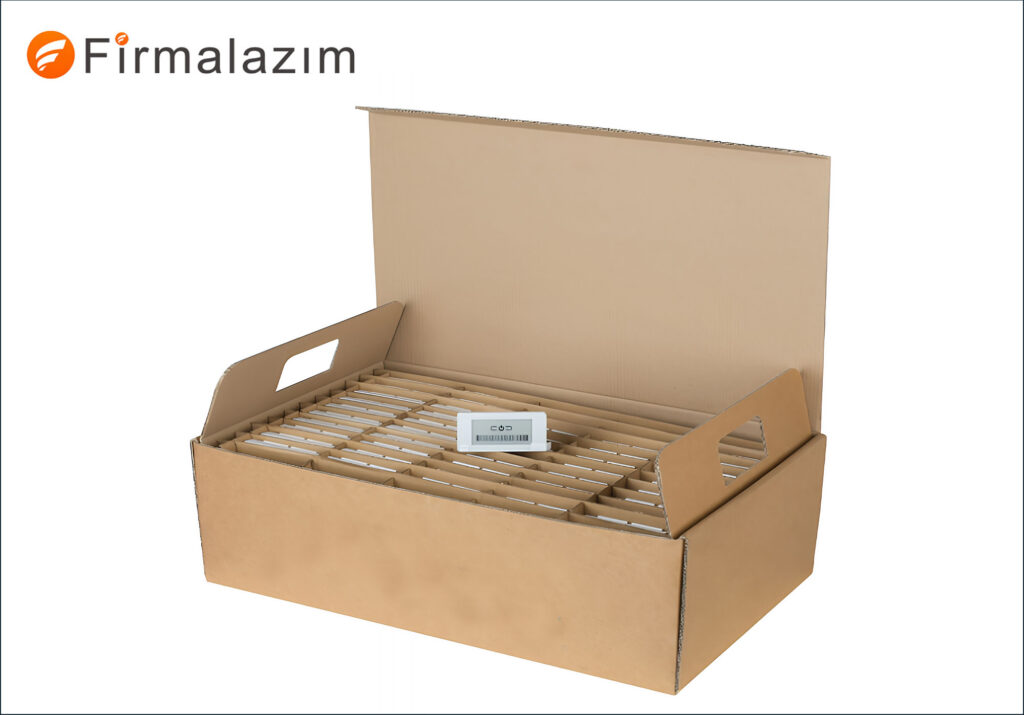
- Packaging for long-distance transport without damage.
- Multimodal shipping options for speed vs. cost efficiency.
- Compliance with customs documentation and regulatory standards.
- Regional warehousing to minimize delivery lead times.
Effective logistics not only ensures timely delivery but also supports just-in-time deployment strategies, critical for expanding retail chains.
16. Cost-Benefit Analysis for Middle Eastern Retailers
Adopting ESLs represents a significant investment, but the long-term ROI can be substantial. Cost-benefit analysis often considers:
- Labor savings: Reduced hours for manual label updates.
- Error reduction: Lower risk of pricing mistakes.
- Dynamic pricing revenue: Increased profitability via real-time promotions.
- Customer experience: Enhanced perception of technological sophistication.
Solution partners such as FİRMALAZIM provide detailed financial models to quantify savings and guide investment decisions.
17. Overcoming Regional Challenges
Middle Eastern markets present unique challenges for ESL adoption, including:
- Heat and humidity: Electronic displays must be designed for extreme temperatures. Turkish ESLs incorporate materials suitable for harsh climates.
- Regulatory variation: Each country may have different electronic product regulations. Solution partners manage local compliance.
- Cultural adaptation: Labels often need bilingual or trilingual displays. FİRMALAZIM ensures accurate language localization.
These tailored solutions guarantee successful deployment and adoption.
18. Strategic Role of FİRMALAZIM as a Çözüm Ortağı
Throughout the ESL adoption journey, FİRMALAZIM serves as more than a supplier liaison — it acts as a comprehensive çözüm ortağı:
- Consultancy Services: Advising retailers on optimal ESL configurations, display types, and deployment strategy.
- Integration Management: Connecting ESL systems with existing POS, ERP, and inventory platforms.
- Training and Support: Preparing retail staff for seamless transition and providing ongoing technical assistance.
- Quality Assurance: Ensuring ESL hardware and software meet international standards and local environmental requirements.
- Continuous Optimization: Monitoring ESL performance, suggesting improvements, and managing future upgrades.
By acting as a trusted çözüm ortağı, FİRMALAZIM bridges gaps between Turkish exporters and Middle Eastern retailers, ensuring successful, scalable, and sustainable ESL implementation.
19. Future Opportunities in the Middle East
The Middle Eastern retail market is still evolving, offering numerous opportunities for ESL expansion:
- E-commerce Integration: ESLs can link physical and digital pricing strategies.
- AI-Driven Retail Analytics: Combining ESL data with machine learning for predictive pricing and inventory optimization.
- Smart Retail Ecosystems: ESLs connected to IoT sensors, smart shelves, and mobile apps for real-time consumer engagement.
- Sustainability Initiatives: Replacing paper labels reduces environmental impact, aligning with corporate sustainability goals.
Retailers collaborating with solution partners like FİRMALAZIM are uniquely positioned to adopt these innovations effectively.
20. Conclusion and Long-Term Outlook
Turkey’s position as a bulk ESL exporter to the Middle East continues to grow due to its technological competence, strategic location, and cost-effective manufacturing. Retailers in the region increasingly recognize the value of ESLs for operational efficiency, customer satisfaction, and competitive advantage.
The integration of ESLs is not merely a technological upgrade; it represents a strategic transformation in retail operations. Retailers who leverage FİRMALAZIM as a çözüm ortağı gain access to a partner who can guide them from initial planning through implementation, optimization, and ongoing support.
Looking ahead:
- Turkish exporters will likely continue innovating with richer displays, AI-enabled analytics, and enhanced IoT integration.
- Middle Eastern retailers will benefit from partnerships with solution providers who understand regional market dynamics.
- Long-term success will depend on combining quality ESL hardware with intelligent software, comprehensive training, and ongoing operational support.
The partnership model exemplified by FİRMALAZIM offers a blueprint for sustainable success, positioning retailers to capitalize on the full potential of electronic shelf labels and the broader digital transformation of retail.

Bir yanıt yazın