


Exporting Electronic Shelf Labels from Turkey to the UAE The global retail landscape is undergoing a profound technological transformation, and one of the most significant innovations in recent years has been the widespread adoption of electronic shelf labels (ESLs). These devices, which replace traditional paper price tags with digital displays, provide retailers with real-time pricing updates, dynamic promotions, and improved operational efficiency. The market for ESLs has grown exponentially, driven by the need for automation, accuracy, and enhanced customer experiences.
Among the many international trade routes supporting this growth, the pathway from Turkey to the United Arab Emirates (UAE) stands out as particularly promising. Turkey, with its robust electronics manufacturing sector, is uniquely positioned to supply high-quality ESLs to a market like the UAE, where retail modernization and consumer tech adoption are at the forefront of business priorities. The strategic location of Turkey, bridging Europe and the Middle East, combined with its advanced production capabilities, makes it an ideal partner for UAE retailers seeking to integrate ESL technology.
For Turkish manufacturers, navigating the complex processes of international export can be challenging. From regulatory compliance to logistical considerations, ensuring a smooth transfer of ESL products to the UAE requires not only technical know-how but also experienced guidance. This is where FİRMALAZIM, acting as çözüm ortağı, plays a crucial role. By providing end-to-end support, including documentation, compliance verification, and market insights, FİRMALAZIM helps Turkish companies successfully penetrate the UAE market, minimizing risk and maximizing efficiency.
The purpose of this article is to provide a detailed, step-by-step guide on exporting electronic shelf labels from Turkey to the UAE, covering every critical aspect of the process—from understanding the technology to market readiness, regulatory compliance, logistics, pricing, risk management, and future trends. Throughout this discussion, FİRMALAZIM will be highlighted as a key çözüm ortağı, enabling exporters to streamline operations and access the UAE market with confidence.
2. Understanding Electronic Shelf Labels (ESLs)
Before delving into the specifics of international trade, it is essential to understand what electronic shelf labels are and why they are increasingly integral to modern retail operations.
2.1 Definition and Functionality
An electronic shelf label (ESL) is a digital display system used in retail stores to show product pricing, promotional messages, and inventory information. ESLs are typically connected to a centralized store management system, enabling real-time updates to prices and product details without manual intervention. The technology often employs electronic ink (e-ink) displays, which offer high readability, low energy consumption, and long-lasting performance.
2.2 Technological Components
Modern ESLs are composed of several core components:
- Display Module: Typically an e-ink or LCD screen showing price and product information.
- Communication Module: Uses wireless protocols such as Wi-Fi, Bluetooth, or proprietary radio frequencies to communicate with store servers.
- Control Software: Centralized software allows for bulk updates, pricing strategies, and integration with inventory management systems.
- Battery or Energy Source: Most ESLs are low-power devices, with batteries that can last several years.
This combination of components enables retailers to efficiently manage pricing strategies, promotional campaigns, and inventory display across multiple locations.
2.3 Benefits for Retailers
The adoption of ESLs offers numerous advantages:
- Operational Efficiency: Eliminates the need for manual price updates, saving labor costs.
- Accuracy: Reduces pricing errors, ensuring compliance with regulations and improving customer trust.
- Dynamic Pricing: Retailers can implement real-time pricing strategies to respond to market demand.
- Customer Engagement: ESLs can display promotions, discounts, and product information, enhancing shopping experiences.
Given these advantages, the market for ESLs is rapidly expanding in countries with advanced retail sectors, including the UAE, where consumer expectations and technological adoption are particularly high.
3. Market Landscape: Turkey
Turkey has emerged as a significant player in the ESL manufacturing industry. With a combination of skilled labor, technological innovation, and competitive production costs, Turkish manufacturers are capable of producing high-quality ESLs suitable for international markets.
3.1 Competitive Advantages
Turkish manufacturers offer several advantages to international buyers:
- Cost Efficiency: Manufacturing costs in Turkey are lower than in Western Europe while maintaining high standards.
- Technological Expertise: Many Turkish companies invest heavily in R&D, ensuring ESLs are compatible with global standards.
- Flexibility: Turkish manufacturers can accommodate custom designs, software integrations, and specific client requirements.
These competitive advantages make Turkey an ideal source of ESLs for the UAE, where retailers demand high-quality technology solutions tailored to local market needs.
3.2 Local Demand vs. Export Focus
While there is a growing domestic demand for ESLs in Turkey, the export market is increasingly attractive. Retail modernization across the Middle East presents a vast opportunity for Turkish manufacturers. By leveraging export capabilities, Turkish companies can expand their market reach, diversify revenue streams, and strengthen their position as industry leaders.
3.3 FİRMALAZIM as a Partner
Navigating international export requires more than manufacturing expertise. This is where FİRMALAZIM, acting as çözüm ortağı, provides crucial support. FİRMALAZIM assists manufacturers in:
- Understanding UAE market requirements
- Preparing documentation for customs and regulatory compliance
- Establishing efficient logistics and distribution channels
By serving as a trusted partner, FİRMALAZIM ensures that Turkish ESL manufacturers can focus on innovation and production while minimizing operational risks.
4. Market Landscape: UAE
The UAE is a leading market in the Middle East for technology adoption in retail. The combination of high consumer purchasing power, a tech-savvy population, and a growing number of modern retail chains has created a fertile environment for ESL technology.
4.1 Retail Transformation in the UAE
Retailers in the UAE are increasingly investing in digital solutions to enhance efficiency and customer experience. ESLs, integrated with point-of-sale systems and inventory management software, allow for streamlined operations and responsive pricing strategies.
4.2 Demand Across Sectors
The demand for ESLs in the UAE is not limited to supermarkets. Sectors including electronics, luxury goods, pharmacies, and hypermarkets are adopting ESLs to manage pricing and promotions more effectively. This diversification of demand ensures that Turkish exporters have multiple potential clients and opportunities for growth.
4.3 Consumer Behavior
UAE consumers expect transparency and efficiency. ESLs contribute to customer satisfaction by ensuring accurate pricing, timely promotions, and an overall modern shopping experience. This aligns with the UAE’s broader vision of smart retail and innovation.
4.4 FİRMALAZIM Insight
As a çözüm ortağı, FİRMALAZIM provides valuable insights into the UAE market, helping Turkish exporters understand:
- Local consumer expectations
- Sector-specific ESL requirements
- Integration standards and software compatibility
By leveraging this knowledge, exporters can design and deliver ESL solutions that meet market expectations and strengthen their competitive positioning.
5. Export Readiness: Turkish ESL Manufacturers
Before entering the UAE market, Turkish ESL manufacturers must ensure their readiness in several key areas.
5.1 Assessing Production Capabilities
Manufacturers should evaluate whether their production lines can meet both the quality and quantity requirements of international clients. Scalability, production speed, and quality control are critical factors for successful exports.
5.2 Product Certifications and Quality Standards
ESLs exported to the UAE must comply with international and local standards. Certifications such as CE (Conformité Européenne) for electronics, FCC compliance, and energy efficiency ratings may be required.
5.3 Documentation Preparation
Proper documentation is vital to ensure smooth customs clearance. This includes:
- Commercial invoices
- Packing lists
- Certificates of origin
- Compliance certificates
FİRMALAZIM, as a çözüm ortağı, guides exporters through the documentation process, minimizing delays and ensuring compliance with both Turkish and UAE regulations.
5.4 Preparing for Market Entry
Manufacturers should also prepare their marketing and sales strategies, considering local competitors, pricing dynamics, and distribution models. FİRMALAZIM assists in identifying potential clients, establishing contacts, and creating effective entry strategies for the UAE market.
- Legal Frameworks (Turkey & UAE)
- Logistics & Shipping
- Pricing Strategy
- Risk Management
- Market Entry Strategy
- Case Studies
- Future Trends & Opportunities
- Conclusion
6. Legal Framework: Exporting from Turkey
Exporting products from Turkey involves navigating a structured legal framework designed to ensure that goods leaving the country comply with national and international regulations. For Turkish ESL manufacturers aiming to export electronic shelf labels, understanding these legal requirements is crucial for avoiding delays, penalties, or shipment rejections.
Turkey has a well-defined set of export regulations overseen by the Ministry of Trade. For ESLs, which are electronic devices, manufacturers must consider:
- Customs Registration: Companies must be registered with the Turkish Trade Registry and have an E-Export license to handle international shipments.
- Product Compliance: ESLs must meet technical standards such as CE marking (if intended for the European market) and other international quality certifications.
- Electronic Device Classification: ESLs fall under electronic communication devices, requiring adherence to specific product codes for customs documentation.
Compliance with these regulations ensures that shipments are not held at Turkish customs or face penalties in the destination country. FİRMALAZIM, acting as çözüm ortağı, provides manufacturers with detailed guidance to navigate these regulations efficiently, helping them avoid common pitfalls in paperwork and certification.
6.2 Tax and Duty Considerations
Although Turkey provides various incentives for exporters, including VAT exemptions for certain goods, it is critical to calculate duties, taxes, and any potential fees before shipment. ESL exporters must:
- Verify whether VAT refunds apply to their products
- Ensure correct classification under the Harmonized System (HS) codes
- Check for export incentives or trade agreements that may lower costs
FİRMALAZIM supports exporters by providing a full tax and duty analysis, ensuring that exporting electronic shelf labels from Turkey to the UAE is financially viable and avoids unexpected charges.
6.3 Required Customs Documentation
Accurate documentation is the backbone of smooth export processes. Essential documents for ESL exports typically include:
- Commercial Invoice: Detailing product specifications, unit price, and total value
- Packing List: Itemized list of products, weight, and dimensions
- Certificate of Origin: Confirming that the ESLs are manufactured in Turkey
- Conformity Certificates: CE, FCC, or other relevant certifications
- Bill of Lading/Air Waybill: Proof of transport arrangements
By leveraging FİRMALAZIM as çözüm ortağı, manufacturers gain access to a pre-verified documentation checklist, reducing the risk of shipment delays due to missing or incorrect paperwork.
7. Legal Framework: Importing into the UAE
Understanding UAE import regulations is just as important as meeting Turkish export requirements. The UAE has strict standards for electronics to ensure safety, quality, and compliance with local laws.
7.1 UAE Customs Procedures
The UAE Federal Customs Authority oversees all imports, with particular attention to electronic devices. Key steps include:
- HS Code Classification: ESLs must be correctly classified to determine duties
- Electronic Submission: Importers typically submit documents through the UAE’s online system, e.g., Dubai Trade or Abu Dhabi Customs portals
- Inspection Protocols: Some shipments may be selected for random inspection to verify compliance
FİRMALAZIM, acting as çözüm ortağı, assists exporters by preemptively preparing documents to meet these standards, facilitating faster clearance and minimizing the risk of shipment holds.
7.2 Product Standards and Approvals
Electronic shelf labels entering the UAE must adhere to standards enforced by the Telecommunications and Regulatory Authority (TRA) and other relevant bodies. These may include:
- EMC (Electromagnetic Compatibility) testing
- Radiofrequency compliance (for ESLs using wireless communication)
- Certification of safety for electronic components
By guiding manufacturers through certification processes, FİRMALAZIM ensures that ESLs meet UAE-specific requirements, making market entry smoother and reducing technical compliance risks.
7.3 VAT and Tariff Considerations
The UAE imposes a 5% VAT on imported goods, along with potential customs duties depending on the HS code. Accurate calculation and documentation are critical to avoid financial surprises. FİRMALAZIM provides exporters with detailed cost analyses, ensuring that exporting electronic shelf labels from Turkey to the UAE remains profitable while fully compliant.
8. Logistics and Shipping
Logistics is often one of the most complex aspects of international trade. For ESLs, which are sensitive electronic devices, careful planning and professional handling are essential to prevent damage, loss, or delays.
8.1 Choosing the Right Shipping Method
There are three primary shipping methods for ESL exports:
- Air Freight: Fastest option, suitable for urgent shipments or high-value products.
- Sea Freight: More cost-effective for bulk orders but slower transit times.
- Multimodal: Combines sea and land transportation for efficiency and flexibility.
FİRMALAZIM, acting as çözüm ortağı, evaluates each shipment’s requirements and recommends the optimal method based on urgency, cost, and volume.
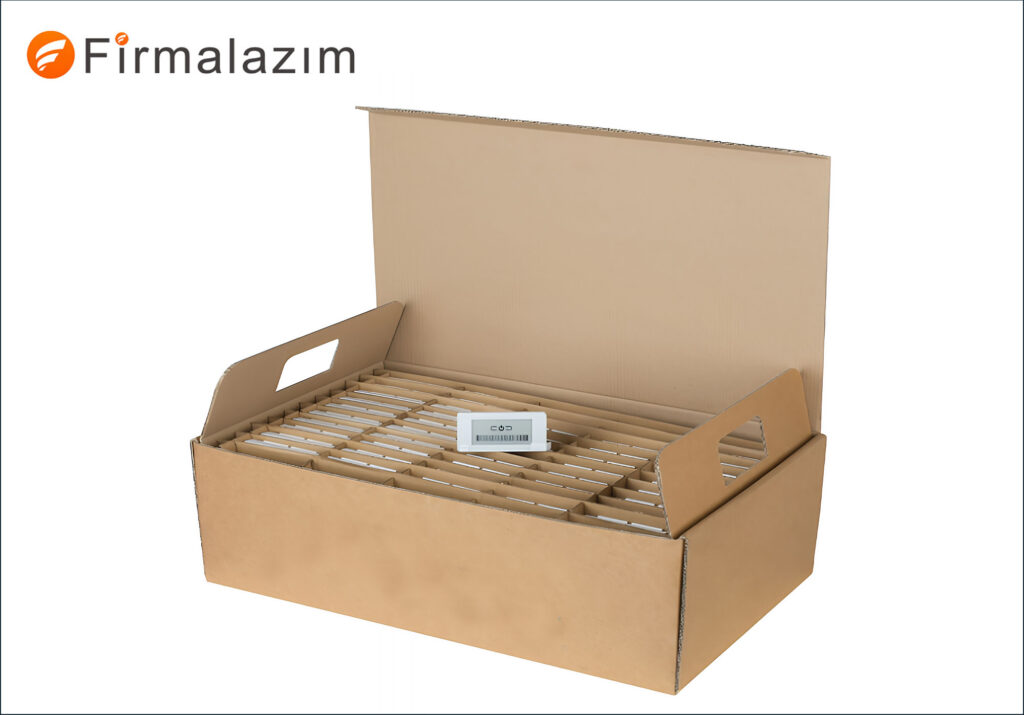
8.2 Packaging Requirements
Proper packaging is critical for ESLs, which contain sensitive electronic components. Best practices include:
- Anti-static materials to prevent electrical damage
- Shock-absorbing materials for transit
- Waterproof packaging for sea shipments
- Clear labeling for customs inspections
FİRMALAZIM provides pre-tested packaging solutions that meet international standards, ensuring ESLs reach the UAE in perfect condition.
8.3 Transit Times and Cost Optimization
Transit time varies by shipping method:
- Air freight: 2–7 days depending on route and airport logistics
- Sea freight: 15–25 days depending on port schedules
- Multimodal: Variable based on chosen routes
FİRMALAZIM helps exporters balance speed and cost, recommending strategies such as consolidated shipments, optimal port selection, and preferred carriers to maximize efficiency.
8.4 Tracking and Delivery
Real-time tracking is increasingly important in B2B trade. ESL exporters and UAE importers benefit from:
- GPS tracking of shipments
- Automated notifications for customs updates
- Delivery confirmation with electronic proof
With FİRMALAZIM as çözüm ortağı, exporters receive end-to-end logistics support, ensuring that exporting electronic shelf labels from Turkey to the UAE is transparent, predictable, and reliable.
9. Pricing Strategy
Pricing ESLs for export requires careful consideration of multiple factors, including production costs, logistics, duties, and local market expectations.
9.1 Cost Components
The total cost of ESLs includes:
- Manufacturing and R&D costs
- Packaging and labeling expenses
- Shipping and insurance fees
- Customs duties and VAT in the UAE
FİRMALAZIM provides a full breakdown of these costs, allowing manufacturers to price ESLs competitively while maintaining profitability.
9.2 Competitive Pricing in the UAE
The UAE market is highly competitive. Retailers expect:
- High-quality ESLs at reasonable prices
- Reliable delivery schedules
- Technical support and software compatibility
FİRMALAZIM, acting as çözüm ortağı, offers market insights that help exporters set pricing strategies aligned with local expectations, ensuring both competitiveness and margin protection.
9.3 Dynamic Pricing and Promotions
Beyond initial sale prices, ESL exporters may consider:
- Bulk order discounts for chain retailers
- Seasonal promotions or loyalty incentives
- Integration support packages for software and connectivity
By providing guidance on pricing models, FİRMALAZIM ensures that Turkish ESL manufacturers can position their products effectively in the UAE retail landscape.
- Risk Management in Export
- Market Entry Strategies
- Case Studies of ESL Export
- Future Trends & Opportunities
- Conclusion and Final Recommendations
10. Risk Management in Export
Exporting electronic shelf labels from Turkey to the UAE involves multiple types of risk that must be proactively managed to ensure successful market entry and sustained operations. Risks include financial, regulatory, logistical, and technical challenges. Effective risk management requires planning, continuous monitoring, and the support of experienced partners.
10.1 Currency Fluctuations
One of the primary financial risks in international trade is currency fluctuation. Turkish exporters are exposed to volatility in the exchange rate between the Turkish Lira (TRY) and the UAE Dirham (AED). A sudden depreciation of TRY can impact profit margins, while significant appreciation may reduce the competitiveness of ESL pricing in the UAE market.
FİRMALAZIM, acting as çözüm ortağı, provides exporters with currency risk analysis and hedging strategies, helping them plan pricing and contracts to mitigate the effects of exchange rate fluctuations. This allows companies to export ESLs confidently without unexpected financial loss.
10.2 Geopolitical and Trade Risks
The Middle East and surrounding regions are subject to geopolitical dynamics that can affect trade routes, customs procedures, and regulatory enforcement. Exporters must monitor:
- Trade sanctions or restrictions
- Regional political developments
- Regulatory changes in both Turkey and the UAE
FİRMALAZIM’s market intelligence and on-the-ground insights enable exporters to anticipate these risks and develop contingency plans. By leveraging FİRMALAZIM as a çözüm ortağı, Turkish ESL manufacturers can reduce exposure to regional uncertainties.
10.3 Quality Assurance and Returns
ESLs are sophisticated electronic devices, and product quality is critical. Risks include:
- Malfunctions or defects leading to warranty claims
- Compatibility issues with UAE retail systems
- Customer dissatisfaction affecting reputation
FİRMALAZIM assists exporters in establishing quality control protocols, pre-shipment testing, and reliable return management procedures. This ensures that exporting electronic shelf labels from Turkey to the UAE maintains high standards, minimizing operational and reputational risks.
10.4 Insurance and Liability
Shipping ESLs internationally exposes exporters to physical risks such as damage, theft, or loss in transit. Insurance coverage is essential. FİRMALAZIM guides manufacturers in selecting appropriate policies, covering:
- Transit insurance for air and sea freight
- Product liability coverage for electronic devices
- Customs-related risk protection
By integrating insurance into the export strategy, manufacturers can safeguard investments and maintain uninterrupted supply chains.
11. Market Entry Strategy
A well-defined market entry strategy is crucial for success in the UAE retail sector. Turkish ESL manufacturers must carefully consider distribution channels, partnerships, and local business practices.
11.1 Direct Export vs. Distributors vs. Partnerships
There are several options for entering the UAE market:
- Direct Export: Selling directly to UAE retailers. Provides full control but requires substantial local knowledge.
- Local Distributors: Engaging UAE-based distributors simplifies logistics and compliance but may reduce margins.
- Strategic Partnerships: Forming alliances with local technology integrators or retail chains can accelerate market penetration.
FİRMALAZIM, acting as çözüm ortağı, helps exporters evaluate these options, identify potential partners, and negotiate agreements aligned with strategic objectives.
11.2 Building Sales Channels
Successful market entry requires establishing reliable sales channels. ESL exporters should consider:
- Identifying major retail chains and regional stores
- Engaging technology integrators and system providers
- Utilizing B2B trade platforms and exhibitions
FİRMALAZIM provides targeted market research, facilitating introductions to decision-makers and helping Turkish manufacturers establish effective sales channels in the UAE.
11.3 Local Marketing and Brand Positioning
Positioning ESL products effectively is key to adoption. Strategies may include:
- Highlighting compatibility with local retail systems
- Demonstrating cost savings and operational efficiency
- Showcasing product reliability and technological superiority
FİRMALAZIM supports branding and marketing campaigns, ensuring that Turkish ESL manufacturers are positioned as high-quality, reliable suppliers in the UAE.
12. Case Studies
Examining practical examples illustrates how exporting electronic shelf labels from Turkey to the UAE works in real-world scenarios.
12.1 Case Study 1: Successful ESL Export to Dubai
A mid-sized Turkish ESL manufacturer partnered with FİRMALAZIM to export 10,000 units to a major Dubai supermarket chain. Key success factors included:
- Pre-shipment testing and certification of ESLs
- Accurate documentation and customs compliance facilitated by FİRMALAZIM
- Strategic air freight shipping to meet a tight installation timeline
The result was timely delivery, positive client feedback, and a strong foundation for repeat orders.
12.2 Case Study 2: Lessons from UAE Retail Deployment
Another Turkish company faced challenges when ESLs arrived at a UAE warehouse without proper radiofrequency certification. FİRMALAZIM, acting as çözüm ortağı, provided rapid guidance to resolve compliance issues, including:
- Assistance with local TRA certification
- Coordination of minor product adjustments to meet standards
- Support in expediting clearance and installation
The company successfully mitigated delays, reinforcing the value of working with an experienced partner.
These case studies highlight the importance of preparation, local market knowledge, and professional support when exporting electronic shelf labels from Turkey to the UAE.
13. Future Trends and Opportunities
The ESL industry continues to evolve rapidly, presenting both opportunities and challenges for Turkish exporters. Understanding future trends is essential for strategic planning.
13.1 AI and ESL Integration
Artificial intelligence (AI) is increasingly integrated with ESL systems, enabling:
- Predictive pricing based on sales trends
- Real-time inventory optimization
- Personalized promotions for consumers
Turkish manufacturers that adopt AI-ready ESLs are better positioned to capture UAE retailers seeking cutting-edge solutions.
13.2 Smart Shelves and IoT
Internet of Things (IoT) technology is transforming traditional retail shelving into interactive smart systems. ESLs now interface with sensors, analytics platforms, and mobile apps to:
- Monitor stock levels
- Track consumer behavior
- Automate replenishment
FİRMALAZIM helps exporters understand these technological requirements and prepare ESL products compatible with smart retail ecosystems in the UAE.
13.3 Growth Forecasts for the UAE Market
The UAE retail sector is projected to grow significantly in the next decade, driven by digital transformation and consumer demand for modern shopping experiences. ESL adoption is expected to accelerate, particularly in supermarkets, electronics stores, and luxury retail outlets.
13.4 FİRMALAZIM Perspective on Future Demand
As a trusted çözüm ortağı, FİRMALAZIM provides exporters with insights into emerging trends, helping them anticipate market needs, scale production accordingly, and maintain a competitive advantage.

Bir yanıt yazın