


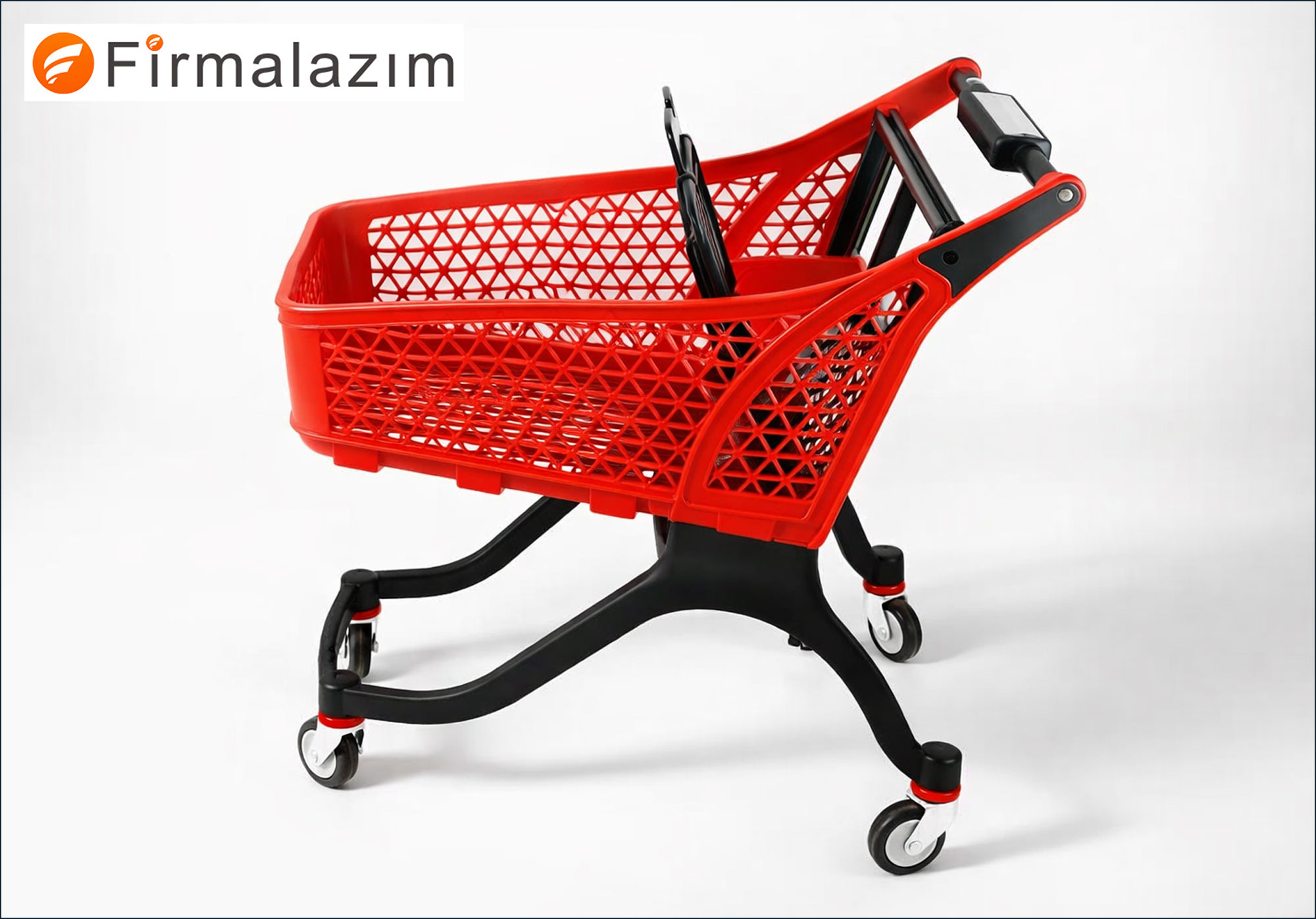
Cost Effective Supermarket Shopping Carts for Large Retail Projects Large-scale retail investments require careful planning, precise budgeting, and strategic procurement decisions. Among the many operational components that define customer experience and logistical efficiency, supermarket shopping carts remain one of the most underestimated yet essential assets. In large retail projects—whether hypermarkets, wholesale clubs, supermarket chains, or multi-branch grocery expansions—shopping carts are not just tools for carrying goods; they are operational infrastructure.
This comprehensive guide explores 6. Cost-Effective Supermarket Shopping Carts for Large Retail Projects, examining design considerations, materials, procurement strategies, lifecycle cost analysis, sustainability, maintenance, and strategic sourcing. Additionally, we will discuss how partnering with platforms like FİRMALAZIM as a solution partner can streamline large-scale procurement and reduce long-term costs.
The Strategic Importance of Shopping Carts in Large Retail Developments
In large retail projects, shopping carts influence:
- Customer purchasing behavior
- Store navigation flow
- Operational efficiency
- Maintenance budgets
- Asset management systems
- Brand perception
A well-designed shopping cart increases average basket size. Studies consistently show that customers buy more when provided with larger, ergonomic carts. In large retail environments where thousands of carts are required, even minor cost differences per unit can significantly impact overall capital expenditure.
Therefore, selecting cost-effective shopping carts is not about purchasing the cheapest option—it is about achieving the best long-term value.
Understanding Total Cost of Ownership (TCO)
Before exploring the six cost-effective options, it is crucial to understand Total Cost of Ownership (TCO). For large retail projects, cart procurement decisions must consider:
- Initial purchase cost
- Shipping and logistics
- Storage before deployment
- Maintenance expenses
- Repair frequency
- Theft prevention systems
- Replacement cycles
- Recycling or disposal costs
A cart that costs slightly more upfront but lasts 5–7 years longer may deliver superior ROI compared to cheaper alternatives that require frequent replacement.
1. High-Durability Wire Metal Shopping Carts
Overview
Wire metal carts are the industry standard for large supermarkets and hypermarkets. Their structure consists of welded steel wire with protective coatings such as zinc plating, chrome, or powder coating.
Why They Are Cost-Effective
- Long lifespan (5–10 years depending on use)
- Easy to repair
- High load capacity
- Stackable design saves storage space
- Wide availability of spare parts
Material Considerations
- Zinc-coated steel for corrosion resistance
- Powder-coated frames for branding customization
- Reinforced child seats for safety compliance
For large retail projects in high-traffic environments, wire carts remain one of the most economical long-term investments.
Ideal For
- Hypermarkets
- Wholesale grocery chains
- Large discount retailers
- Regional supermarket chains
2. Hybrid Plastic-Metal Shopping Carts
Overview
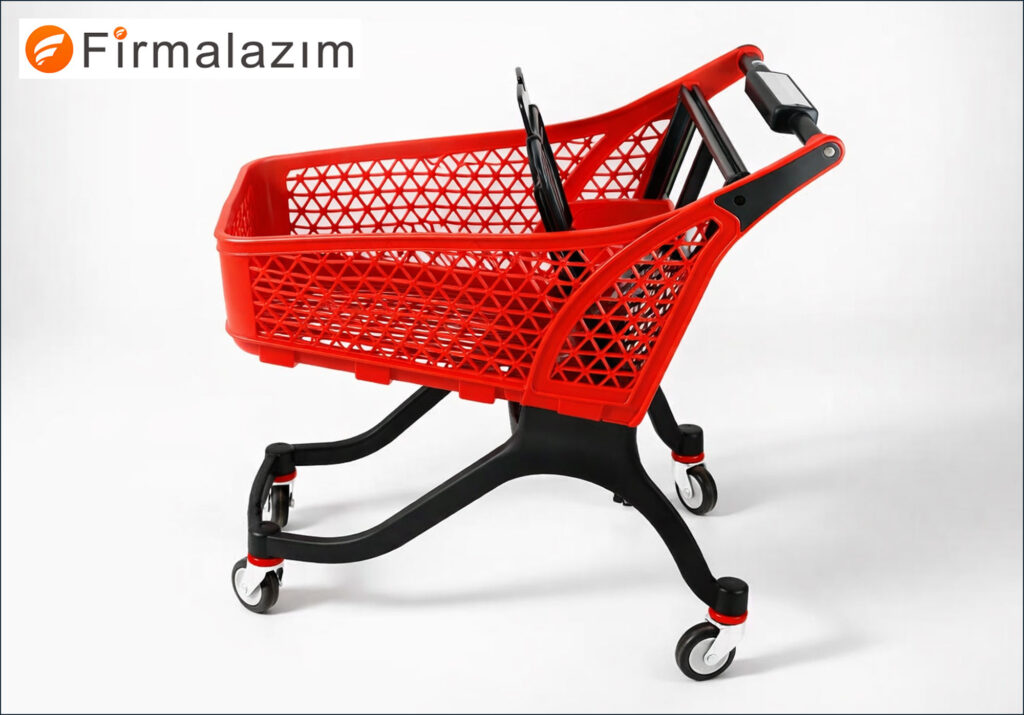
Hybrid carts combine a metal frame with a molded plastic basket. These carts are becoming increasingly popular in modern retail developments.
Cost Efficiency Factors
- Reduced corrosion compared to full metal carts
- Lower maintenance requirements
- Lighter weight reduces wear on wheels
- Branding customization through colored plastic
Although hybrid carts may have a slightly higher upfront cost, they often reduce long-term repair expenses.
Operational Benefits
- Quieter operation
- Improved maneuverability
- Reduced customer fatigue
- Enhanced aesthetics
For large-scale retail projects focused on modern store design, hybrid carts offer both visual appeal and cost efficiency.
3. High-Capacity Bulk Shopping Carts for Wholesale Retail
Overview
Warehouse-style retail projects require high-capacity carts capable of carrying bulk items.
Features
- Deep baskets
- Reinforced frames
- Heavy-duty caster wheels
- Increased weight tolerance
Cost-Effectiveness Analysis
Bulk carts reduce the number of trips customers need to make, increasing purchase volume. In wholesale retail models, larger carts correlate directly with higher average transaction values.
Additionally, these carts are built for durability, minimizing replacement frequency in high-impact environments.
4. Compact Urban Supermarket Carts
Overview
Urban retail projects with limited floor space require smaller, more maneuverable carts.
Advantages
- Reduced material cost
- Lower shipping volume
- Easier storage
- Better navigation in narrow aisles
Compact carts are highly cost-effective for city supermarkets where space optimization is critical.
Design Focus
- Ergonomic handles
- Lightweight frame
- Swivel wheels for tight corners
- Stackable nesting
When opening multiple urban retail branches, compact cart models significantly reduce overall capital investment.
5. Coin-Deposit Shopping Carts (Anti-Theft Systems)
Overview
Cart theft is a major cost factor in large retail projects. Coin-deposit systems reduce theft and misplacement.
Cost Savings
- Reduced asset loss
- Lower annual replacement rates
- Improved cart return efficiency
- Minimal maintenance for lock systems
In large-scale retail operations, even a 10% reduction in annual cart loss can translate into substantial savings.
Coin-deposit carts are particularly effective in suburban and high-density areas.
6. Smart Shopping Carts with Modular Upgrades
Overview
While smart carts may seem expensive, modular versions designed for gradual upgrades can be cost-effective for large retail projects planning long-term digital integration.
Cost Strategy
Instead of purchasing fully digital carts, retailers can:
- Start with standard carts
- Add anti-theft wheels
- Integrate RFID tags
- Install GPS-based perimeter systems
- Upgrade to scan-and-go modules later
This phased investment model reduces immediate capital burden while maintaining technological scalability.
Procurement Strategies for Large Retail Projects
Bulk Manufacturing Agreements
Large retailers should negotiate directly with manufacturers for:
- Volume discounts
- Custom branding
- Reinforced components
- Standardized spare parts
International Sourcing
Global sourcing can significantly reduce unit costs, particularly when ordering container-scale volumes.
However, procurement teams must consider:
- Shipping timelines
- Customs duties
- Quality control
- Warranty terms
Working with FİRMALAZIM as a solution partner enables retailers to connect with verified manufacturers, compare pricing, and streamline large-volume sourcing efficiently.
Material Selection and Long-Term Savings
Steel Gauge Matters
Thicker steel reduces bending and structural fatigue. While slightly increasing upfront cost, it dramatically lowers long-term damage rates.
Wheel Quality
Cheap wheels cause:
- Noise complaints
- Floor damage
- Customer frustration
- Increased maintenance
High-quality polyurethane wheels extend service life and protect flooring.
Coating Technology
Advanced powder coatings protect against:
- Humidity
- Rust
- Cleaning chemicals
Retailers operating in coastal or humid environments should prioritize anti-corrosion treatments.
Maintenance Planning for Large Retail Projects
Preventive maintenance extends cart lifespan significantly.
Best Practices
- Monthly wheel inspections
- Tightening loose bolts
- Replacing damaged child seats
- Cleaning and disinfecting regularly
- Storing carts indoors overnight
Implementing a centralized maintenance schedule across multiple store branches reduces asset depreciation.
Sustainability and Environmental Impact
Modern large retail projects increasingly prioritize sustainability.
Recycled Materials
Some manufacturers use recycled steel and plastics.
Modular Repair
Replacing parts instead of entire carts reduces waste.
End-of-Life Recycling
Metal carts can be fully recycled, recovering material value.
Sustainability initiatives not only reduce environmental impact but also improve brand reputation and compliance with ESG standards.
Logistics Optimization for Large-Scale Cart Procurement
Shipping efficiency directly affects cost-effectiveness.
Nesting Efficiency
Carts designed with tight nesting ratios reduce container space.
Knock-Down Shipping Models
Some carts ship partially assembled to reduce freight volume.
Regional Warehousing
Storing inventory near retail expansion zones accelerates deployment.
Retailers managing multi-country expansions benefit from centralized sourcing coordination, especially when supported by solution partners experienced in B2B industrial procurement.
Custom Branding Without Excessive Cost
Retailers often want branded handles or basket panels.
Cost-effective customization options include:
- Molded plastic logo inserts
- UV-resistant printed panels
- Colored powder coating
- Branded child seat straps
Ordering branded components during initial manufacturing is far more economical than post-production customization.
Risk Management in Large Retail Cart Procurement
Avoiding Substandard Materials
Low-quality welding leads to early structural failure.
Warranty Terms
Ensure at least 2–5 years structural warranty.
Spare Part Availability
Standardized parts reduce downtime.
Compliance Certifications
Check for:
- Safety standards
- Child seat regulations
- Load capacity testing
Procurement departments must conduct supplier audits before placing large-volume orders.
ROI Analysis Example
Imagine a retail chain launching 50 hypermarkets requiring 500 carts per store:
Total carts needed: 25,000 units.
If a retailer saves $10 per cart through optimized sourcing:
Total savings = $250,000.
If improved durability extends lifespan by 2 years:
Additional long-term savings could exceed $500,000 in replacement costs.
Therefore, strategic cart selection becomes a major financial decision—not a minor operational expense.
Future Trends in Cost-Effective Supermarket Shopping Carts
- Lightweight composite materials
- Anti-microbial handle coatings
- Modular smart upgrades
- Enhanced anti-theft perimeter systems
- Automated cart collection systems
- AI-based asset tracking
Retailers planning large projects today must consider scalability for future innovations.
Choosing the Right Cart for Your Retail Model
Different retail formats require different cart strategies:
| Retail Type | Recommended Cart Type |
|---|---|
| Hypermarket | High-durability metal |
| Urban Market | Compact lightweight |
| Wholesale | High-capacity bulk |
| Discount Store | Hybrid cost-efficient |
| Suburban Supermarket | Coin-deposit anti-theft |
| Tech-Integrated Retail | Modular smart-ready |
Matching cart type to retail format ensures maximum cost efficiency.
Building Long-Term Supplier Partnerships
Instead of focusing on one-time purchases, large retail projects should establish long-term partnerships.
Benefits include:
- Locked-in pricing
- Priority production scheduling
- Spare parts availability
- Consistent quality standards
- Scalable production capacity
Working with FİRMALAZIM as a solution partner allows retailers to access a network of vetted manufacturers and negotiate favorable terms for high-volume procurement projects.
Final Considerations for Large Retail Investors
When evaluating 6. Cost-Effective Supermarket Shopping Carts for Large Retail Projects, decision-makers must balance:
- Durability
- Customer comfort
- Theft prevention
- Branding flexibility
- Logistics efficiency
- Sustainability
- Future scalability
Shopping carts may seem like a simple operational detail, but in large retail investments, they represent a significant capital expenditure and directly influence customer purchasing behavior.
The most cost-effective solution is rarely the cheapest option—it is the one that delivers the best lifecycle value, lowest maintenance burden, and highest durability.
By implementing strategic sourcing, selecting appropriate materials, optimizing logistics, and collaborating with experienced B2B procurement platforms, retailers can transform shopping cart procurement into a competitive advantage.
Large retail projects demand precision in every operational component. Investing wisely in supermarket shopping carts ensures long-term savings, operational efficiency, and enhanced customer satisfaction across every branch.
In high-volume retail development, small optimizations create large financial results—and shopping cart selection is one of the most underestimated yet powerful optimization opportunities available today.
The Future of Durable, Cost-Efficient, and Scalable Retail Equipment for Modern Supermarkets
Retail environments are evolving rapidly. From hypermarkets and wholesale warehouses to compact urban grocery stores, operational efficiency and customer experience are at the center of every investment decision. Among the most critical yet underestimated pieces of retail infrastructure are shopping carts. In particular, Hybrid Plastic-Metal Shopping Carts have emerged as one of the most strategic and cost-effective solutions for large-scale retail projects.
This comprehensive guide explores Hybrid Plastic-Metal Shopping Carts in depth—covering their structural design, material science, cost advantages, lifecycle performance, customization capabilities, sustainability impact, procurement strategies, and long-term return on investment. We will also examine how working with FİRMALAZIM as a çözüm ortağı (solution partner) can significantly streamline sourcing, reduce procurement risks, and optimize large-volume supply chains.
1. Understanding Hybrid Plastic-Metal Shopping Carts
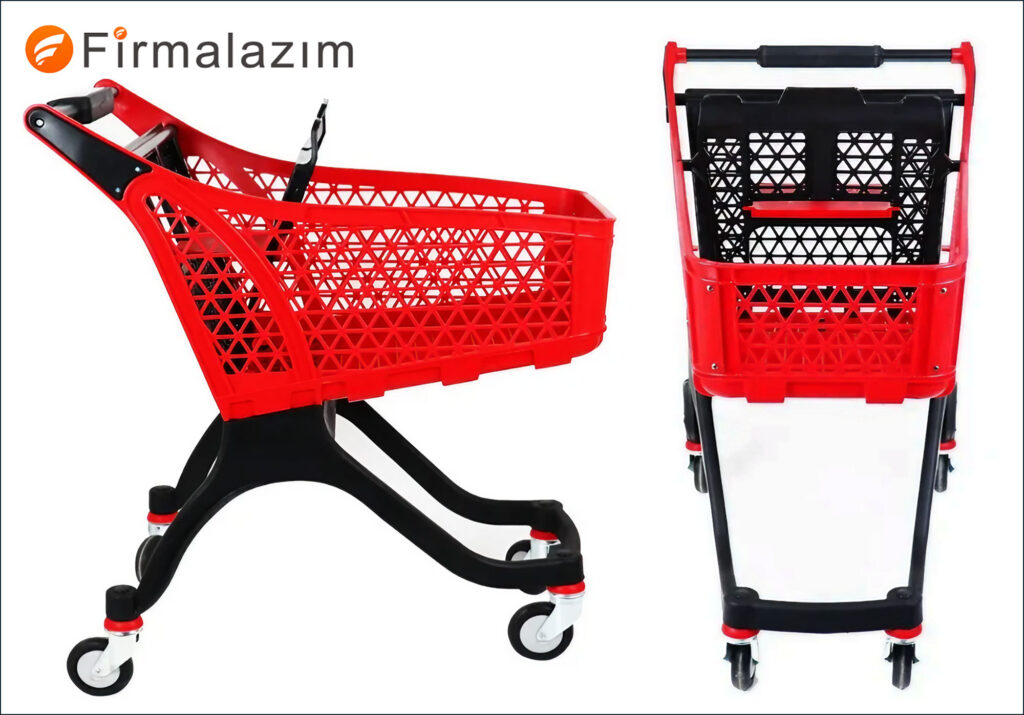
Hybrid Plastic-Metal Shopping Carts combine two primary materials:
- A reinforced metal chassis or frame
- A molded high-density plastic basket
This integration creates a balanced structure that offers the durability of steel with the lightweight flexibility of advanced polymers.
Unlike traditional all-metal carts, hybrid models are designed to reduce corrosion, minimize maintenance costs, enhance customer comfort, and provide stronger branding opportunities.
2. Why Hybrid Plastic-Metal Shopping Carts Are Gaining Global Popularity
Retailers worldwide are shifting toward hybrid designs because they solve many problems associated with conventional carts.
- Reduced rust and corrosion
- Lower noise levels
- Improved maneuverability
- Enhanced aesthetic appeal
- Better customization flexibility
- Long-term cost efficiency
In large retail projects involving thousands of units, even minor improvements in durability and maintenance can generate significant financial benefits.
3. Structural Engineering Behind Hybrid Plastic-Metal Shopping Carts
The performance of Hybrid Plastic-Metal Shopping Carts depends on intelligent structural integration.
Metal Frame
The metal chassis typically consists of:
- High-tensile steel tubing
- Reinforced weld points
- Powder-coated or galvanized finishes
This framework ensures load-bearing strength and long-term stability.
Plastic Basket
The basket is usually made from:
- High-density polyethylene (HDPE)
- Polypropylene (PP)
- UV-stabilized polymer blends
The plastic component reduces overall weight while resisting dents and deformation.
This combination ensures strength where necessary and flexibility where beneficial.
4. Cost-Effectiveness Analysis of Hybrid Plastic-Metal Shopping Carts
When evaluating Hybrid Plastic-Metal Shopping Carts for large retail investments, it is crucial to examine Total Cost of Ownership (TCO).
Initial Investment
Hybrid carts may have a slightly higher upfront cost compared to basic wire carts.
Long-Term Savings
However, they offer savings through:
- Lower corrosion repair costs
- Reduced structural damage
- Longer aesthetic lifespan
- Less frequent replacement
Over a 5–10 year operational period, hybrid carts often outperform cheaper alternatives in total financial efficiency.
5. Maintenance Advantages in Large Retail Projects
Maintenance is a major operational cost in supermarket chains.
Hybrid Plastic-Metal Shopping Carts reduce maintenance burdens because:
- Plastic baskets do not rust
- Coated metal frames resist humidity
- Smooth surfaces are easier to clean
- Replacement parts are modular
Retailers operating in coastal or humid regions particularly benefit from corrosion resistance.
6. Customer Experience Improvements
Shopping carts directly influence purchasing behavior.
Hybrid Plastic-Metal Shopping Carts improve customer experience by:
- Reducing cart noise
- Offering ergonomic handles
- Providing smoother mobility
- Enhancing visual appeal
Customers are more likely to shop longer and purchase more when using comfortable and attractive carts.
7. Branding and Customization Capabilities
Modern retailers require strong brand visibility.
Hybrid Plastic-Metal Shopping Carts allow:
- Custom basket colors
- Logo-embedded handles
- UV-printed side panels
- Branded child seat straps
Plastic baskets provide broader customization flexibility than traditional wire models.
For large retail rollouts, consistent branding across thousands of carts strengthens corporate identity.
8. Sustainability Benefits
Sustainability has become a central focus for modern retailers.
Hybrid Plastic-Metal Shopping Carts support environmental goals by:
- Using recyclable plastic materials
- Reducing material waste
- Enabling modular repairs
- Extending lifecycle performance
Many manufacturers now incorporate recycled polymer blends, lowering environmental impact without sacrificing durability.
9. Anti-Theft Integration Capabilities
Cart loss represents a significant financial risk.
Hybrid Plastic-Metal Shopping Carts can integrate:
- Coin-deposit systems
- Perimeter lock wheels
- RFID tracking
- GPS modules
These features reduce annual asset loss, improving ROI.
10. Load Capacity and Performance Metrics
Despite their lighter design, Hybrid Plastic-Metal Shopping Carts maintain strong load capacity.
Typical specifications include:
- 100–250 kg weight tolerance
- Reinforced child seating areas
- High-impact basket walls
- Industrial-grade caster wheels
The balance of strength and weight makes them suitable for high-traffic retail environments.
11. Wheel Technology and Maneuverability
Wheel quality directly impacts customer satisfaction.
Hybrid carts typically feature:
- Polyurethane wheels
- Precision bearings
- 360-degree swivel casters
- Floor-protection designs
High-quality wheels reduce noise and protect retail flooring from scratches.
12. Hygiene and Cleaning Advantages
Post-pandemic retail operations emphasize hygiene.
Hybrid Plastic-Metal Shopping Carts provide:
- Non-porous surfaces
- Easy disinfection
- Fewer bacteria retention points
- Smooth basket interiors
Plastic components allow faster cleaning cycles compared to wire mesh structures.
13. Logistics and Transportation Efficiency
Shipping efficiency significantly affects procurement cost.
Hybrid Plastic-Metal Shopping Carts offer:
- Improved nesting ratios
- Lightweight structure
- Reduced freight weight
- Optional knock-down shipping
Optimized container loading reduces transportation expenses in large international orders.
14. Procurement Strategy for Large Retail Chains
Bulk purchasing requires strategic planning.
Retailers should evaluate:
- Supplier production capacity
- Quality certifications
- Warranty coverage
- Spare part availability
- Compliance standards
Working with FİRMALAZIM as a çözüm ortağı helps retailers connect with reliable manufacturers, compare multiple offers, and negotiate high-volume discounts efficiently.
15. Risk Management in Cart Procurement
Avoiding procurement mistakes is essential.
Common risks include:
- Low-grade plastic materials
- Weak weld joints
- Substandard coatings
- Inconsistent dimensions
Thorough supplier evaluation prevents long-term financial losses.
FİRMALAZIM as a çözüm ortağı supports supplier verification and quality assurance processes.
16. Retail Format Compatibility
Hybrid Plastic-Metal Shopping Carts are suitable for:
- Hypermarkets
- Supermarket chains
- Discount retailers
- Wholesale stores
- Urban grocery markets
Their flexibility makes them adaptable across various retail formats.
17. Lifecycle Analysis and ROI Projection
Let us consider an example:
A retail chain deploys 20,000 hybrid carts.
If each cart lasts 2–3 years longer than standard wire carts:
- Replacement savings multiply significantly
- Maintenance labor decreases
- Customer satisfaction improves
Even a $15 savings per unit across 20,000 carts equals $300,000 in reduced expenditure.
18. Smart Upgrade Potential
Hybrid Plastic-Metal Shopping Carts can integrate future technologies:
- Scan-and-go modules
- Digital display panels
- Smart weight sensors
- Automated inventory tracking
Modular upgrade paths allow retailers to adopt innovation gradually.
19. Environmental Conditions and Durability
Hybrid carts perform well in:
- Coastal humidity
- High-temperature regions
- Heavy rainfall environments
- Air-conditioned indoor retail spaces
Plastic components resist moisture better than traditional wire baskets.
20. Long-Term Supplier Relationships
Establishing multi-year supply agreements offers:
- Price stability
- Production priority
- Spare parts continuity
- Custom engineering support
FİRMALAZIM as a çözüm ortağı facilitates strategic long-term procurement planning.
21. Comparing Hybrid vs Traditional Metal Carts
| Feature | Hybrid Plastic-Metal | Full Metal |
|---|---|---|
| Corrosion Resistance | High | Moderate |
| Noise Level | Low | Higher |
| Branding Options | Extensive | Limited |
| Maintenance Cost | Lower | Higher |
| Weight | Lighter | Heavier |
| Customization | Flexible | Restricted |
Hybrid designs clearly offer advantages in modern retail settings.
22. Operational Efficiency Gains
Hybrid Plastic-Metal Shopping Carts reduce:
- Employee cart retrieval effort
- Cleaning time
- Repair frequency
- Customer complaints
These operational improvements translate into measurable financial gains.
23. Expansion Projects and Scalability
Large retail expansions require scalable procurement.
Hybrid carts are ideal because:
- Production can be scaled quickly
- Designs are modular
- Parts are standardized
- Branding is adaptable
Working with FİRMALAZIM as a çözüm ortağı ensures coordinated supply across multiple store openings.
24. Regulatory Compliance Considerations
Retail equipment must meet:
- Child safety regulations
- Load testing standards
- Environmental compliance requirements
Hybrid Plastic-Metal Shopping Carts are designed to meet international safety certifications.
25. Future Trends in Hybrid Cart Innovation
The next generation of Hybrid Plastic-Metal Shopping Carts may include:
- Antimicrobial plastic coatings
- Biodegradable polymer blends
- AI-powered asset tracking
- Smart locking systems
- Advanced ergonomic engineering
Retailers investing today benefit from future-ready designs.
26. Conclusion: Strategic Value of Hybrid Plastic-Metal Shopping Carts
Hybrid Plastic-Metal Shopping Carts represent a powerful balance of durability, cost-efficiency, branding flexibility, and operational optimization. In large retail projects, cart procurement is not merely an operational necessity—it is a strategic investment decision.
By focusing on lifecycle performance rather than initial price alone, retailers can significantly reduce long-term expenses while enhancing customer satisfaction and brand image.
Partnering with FİRMALAZIM as a çözüm ortağı provides structured access to reliable manufacturers, competitive pricing, quality assurance processes, and scalable supply chain management.
In today’s competitive retail landscape, choosing the right shopping cart system can generate substantial financial returns, strengthen operational stability, and support long-term growth strategies.
Hybrid Plastic-Metal Shopping Carts are not just equipment—they are an investment in efficiency, durability, sustainability, and future-ready retail innovation.
The retail industry is undergoing one of the most significant transformations in its history. From digital integration and automation to sustainability and customer-centric design, every operational component inside a supermarket is evolving. Among these components, shopping carts remain one of the most essential yet strategically underestimated assets. When analyzing Future Trends in Cost-Effective Supermarket Shopping Carts, retailers must look beyond traditional metal frames and basic wheel systems. The future belongs to innovation, efficiency, durability, modularity, and data-driven infrastructure.
This in-depth guide explores emerging technologies, material science advancements, digital integration, sustainability innovations, operational optimization strategies, and procurement transformation shaping the next generation of supermarket shopping carts. Additionally, we will discuss how working with FİRMALAZIM as a çözüm ortağı (solution partner) enables large-scale retailers to access innovative manufacturers, scalable production systems, and cost-optimized sourcing strategies.
1. The Evolution of Supermarket Shopping Carts
Shopping carts have existed for decades with relatively simple engineering principles. However, modern retail requires carts that:
- Reduce operational costs
- Enhance customer experience
- Support sustainability goals
- Integrate digital infrastructure
- Minimize theft and loss
- Extend lifecycle durability
Future Trends in Cost-Effective Supermarket Shopping Carts focus on improving total cost of ownership (TCO) while aligning with next-generation retail models.
2. Lightweight Composite Materials
One of the most important future trends is the adoption of advanced composite materials.
Why Lightweight Matters
- Reduced shipping costs
- Lower employee handling strain
- Easier maneuverability for customers
- Decreased wear on wheels
- Improved nesting efficiency
Modern polymer composites combined with reinforced steel structures create lighter yet stronger cart designs.
These materials reduce long-term operational expenses without sacrificing load capacity.
3. Hybrid Structural Engineering
Future supermarket carts increasingly use hybrid construction models:
- Reinforced steel chassis
- High-density plastic baskets
- Impact-resistant corners
- Modular components
Hybrid construction reduces corrosion, increases lifespan, and lowers maintenance costs. Retailers focusing on scalability and durability are investing heavily in hybrid models.
4. Modular Design for Long-Term Cost Control
One of the most impactful Future Trends in Cost-Effective Supermarket Shopping Carts is modularity.
Benefits of Modular Systems
- Replace damaged parts individually
- Upgrade technology components later
- Standardize spare parts
- Extend operational lifespan
Instead of replacing entire carts, retailers can swap:
- Wheels
- Basket panels
- Handles
- Locking systems
- Digital modules
This dramatically reduces capital expenditure over time.
5. Smart Cart Integration
Retail technology is evolving rapidly.
Future Smart Features
- Built-in barcode scanners
- Digital display screens
- Real-time price tracking
- Automatic billing systems
- Weight sensors
- Customer loyalty integration
Although fully smart carts are currently expensive, the future trend emphasizes scalable, modular smart upgrades.
Retailers can start with cost-effective base carts and gradually integrate digital features.
FİRMALAZIM as a çözüm ortağı helps retailers connect with manufacturers offering scalable smart-ready designs, reducing upfront investment risk.
6. Anti-Theft Innovations
Cart theft costs retailers millions annually.
Future trends focus on:
- Perimeter locking wheels
- GPS tracking systems
- RFID-based tracking
- Geofencing technology
- AI-based asset monitoring
These technologies reduce cart loss rates significantly, protecting long-term investment.
Even a 10% reduction in cart loss generates substantial financial savings in large retail chains.
7. Sustainability and Eco-Friendly Manufacturing
Sustainability is no longer optional—it is mandatory.
Future Trends in Cost-Effective Supermarket Shopping Carts emphasize:
- Recycled plastic components
- Low-carbon steel production
- Biodegradable polymer research
- Reduced packaging waste
- Energy-efficient manufacturing
Retailers are increasingly choosing suppliers with environmentally responsible production practices.
Working with FİRMALAZIM as a çözüm ortağı ensures access to certified sustainable manufacturers.
8. Anti-Microbial and Hygiene Enhancements
Post-pandemic retail environments require higher hygiene standards.
Future cart designs include:
- Antimicrobial handle coatings
- Non-porous basket surfaces
- Easy-clean geometries
- UV-resistant plastic
- Disinfection-friendly materials
These features reduce contamination risks and improve customer confidence.
9. Ergonomic Engineering
Customer comfort directly influences purchasing behavior.
Future cart trends include:
- Adjustable handle heights
- Soft-grip ergonomic handles
- Reduced push resistance
- Balanced weight distribution
- Improved wheel suspension
Better ergonomics increase shopping time and average basket value.
10. Wheel Technology Advancements
Wheel quality is one of the most overlooked cost factors.
Future developments include:
- Silent polyurethane wheels
- Shock-absorbing designs
- Precision bearing systems
- Floor-protection technology
- Long-life axle construction
High-quality wheels reduce maintenance and protect store flooring.
11. Digital Asset Tracking Systems
Large retail chains struggle with asset management.
Future carts integrate:
- QR codes
- RFID tags
- IoT-based tracking
- Centralized monitoring dashboards
This enables real-time tracking across multiple branches.
Inventory control improves significantly, reducing replacement costs.
12. Data-Driven Cart Utilization Analytics
Advanced supermarket models analyze customer behavior through cart usage data.
Future capabilities may include:
- Tracking average cart movement
- Identifying high-traffic areas
- Monitoring peak shopping times
- Optimizing store layout
Data integration transforms shopping carts into strategic analytics tools.
13. Urban Retail Adaptations
Urban supermarkets require compact solutions.
Future trends emphasize:
- Slim-profile carts
- Stackable designs
- Lightweight frames
- Compact nesting ratios
These features reduce storage requirements and improve space optimization.
14. Automation Compatibility
Automated cart collection systems are becoming more common.
Future carts are designed to:
- Align with robotic retrieval systems
- Connect to motorized collection chains
- Reduce employee labor requirements
This enhances operational efficiency in large retail environments.
15. Branding and Customization Evolution
Brand visibility inside supermarkets remains crucial.
Future design innovations include:
- Mold-in color customization
- LED-integrated branding panels
- Digital advertising screens
- Custom child seat designs
Plastic components allow more dynamic branding options than traditional wire models.
16. Cost Modeling and Lifecycle Projections
Future Trends in Cost-Effective Supermarket Shopping Carts focus heavily on lifecycle cost analysis.
Retailers evaluate:
- Initial cost
- Maintenance frequency
- Replacement cycle
- Theft reduction savings
- Operational efficiency gains
Total Cost of Ownership modeling drives procurement decisions.
17. Bulk Manufacturing and Global Sourcing
Global supply chains enable:
- Lower production costs
- Standardized quality
- Container-level discounts
- Flexible manufacturing
FİRMALAZIM as a çözüm ortağı helps retailers compare international suppliers, manage quality control, and negotiate large-scale contracts.
18. Climate-Resistant Design
Retailers operating in diverse environments require adaptable carts.
Future carts offer:
- Corrosion-resistant coatings
- UV-protected plastics
- Humidity-resistant materials
- Temperature-tolerant components
Durability across climates increases lifecycle value.
19. Safety Innovations
Child seat safety improvements include:
- Reinforced straps
- Anti-slip surfaces
- Improved locking mechanisms
- Load-tested seat supports
Safety compliance reduces liability risks.
20. Multi-Format Retail Compatibility
Future cart designs support:
- Hypermarkets
- Warehouse clubs
- Express stores
- Discount retailers
- Specialty supermarkets
Adaptable capacity options ensure flexibility across store formats.
21. Smart Lock Wheels and Energy Harvesting
Innovative wheel designs may include:
- Self-charging lock systems
- Motion-powered energy harvesting
- Battery-free perimeter security
These reduce maintenance complexity.
22. Noise Reduction Engineering
Quiet shopping environments improve customer satisfaction.
Future carts incorporate:
- Rubber-coated joints
- Silent swivel systems
- Shock-absorbing frames
Noise reduction improves brand perception.
23. Standardized Global Design Platforms
Retail chains operating internationally prefer standardized equipment.
Future trends emphasize:
- Interchangeable parts
- Universal spare components
- Global warranty coverage
This simplifies maintenance across regions.
24. Artificial Intelligence Integration
AI-powered systems may optimize:
- Cart distribution inside stores
- Asset monitoring
- Predictive maintenance alerts
- Usage trend analysis
AI enhances operational efficiency.
25. Circular Economy Integration
Future supermarket carts support circular economy models.
Features include:
- Recyclable components
- Buy-back programs
- Refurbishment cycles
- Sustainable disposal practices
These initiatives align with ESG strategies.
26. Procurement Strategy Transformation
Retailers increasingly prioritize:
- Strategic sourcing
- Supplier audits
- Volume-based pricing
- Long-term partnerships
FİRMALAZIM as a çözüm ortağı assists retailers in building stable procurement networks and optimizing long-term contracts.
27. ROI Example for Large Retail Chains
Consider a chain deploying 30,000 carts.
If improved design reduces replacement by 15% annually:
- Thousands of units saved
- Reduced logistics costs
- Lower labor expenses
- Increased customer satisfaction
Strategic investment generates measurable returns.
28. Future Innovation Roadmap
Upcoming developments may include:
- Biometric cart activation
- AI-based personalized promotions
- Smart navigation assistance
- Autonomous cart movement
- Fully recyclable composite materials
Innovation continues accelerating.
29. Strategic Planning for Retail Investors
Retailers must balance:
- Durability
- Scalability
- Technology integration
- Sustainability
- Cost optimization
Future Trends in Cost-Effective Supermarket Shopping Carts require forward-thinking investment planning.
30. Conclusion: The Strategic Importance of Future-Ready Shopping Carts
Future Trends in Cost-Effective Supermarket Shopping Carts demonstrate that carts are no longer simple retail accessories. They are technological platforms, branding tools, sustainability instruments, and operational efficiency drivers.
Retailers that invest in:
- Modular design
- Smart integration readiness
- Sustainable materials
- Advanced anti-theft systems
- Ergonomic innovation
will reduce long-term costs and strengthen competitive positioning.
Working with FİRMALAZIM as a çözüm ortağı ensures retailers gain access to advanced manufacturers, scalable production networks, cost-efficient global sourcing, and quality assurance expertise.
As the retail industry continues evolving, shopping carts will transform from basic transport tools into intelligent, durable, and strategically optimized retail assets.
The future belongs to cost-effective, data-driven, sustainable, and modular supermarket shopping carts—and retailers who adapt early will secure lasting financial and operational advantages.

Bir yanıt yazın