


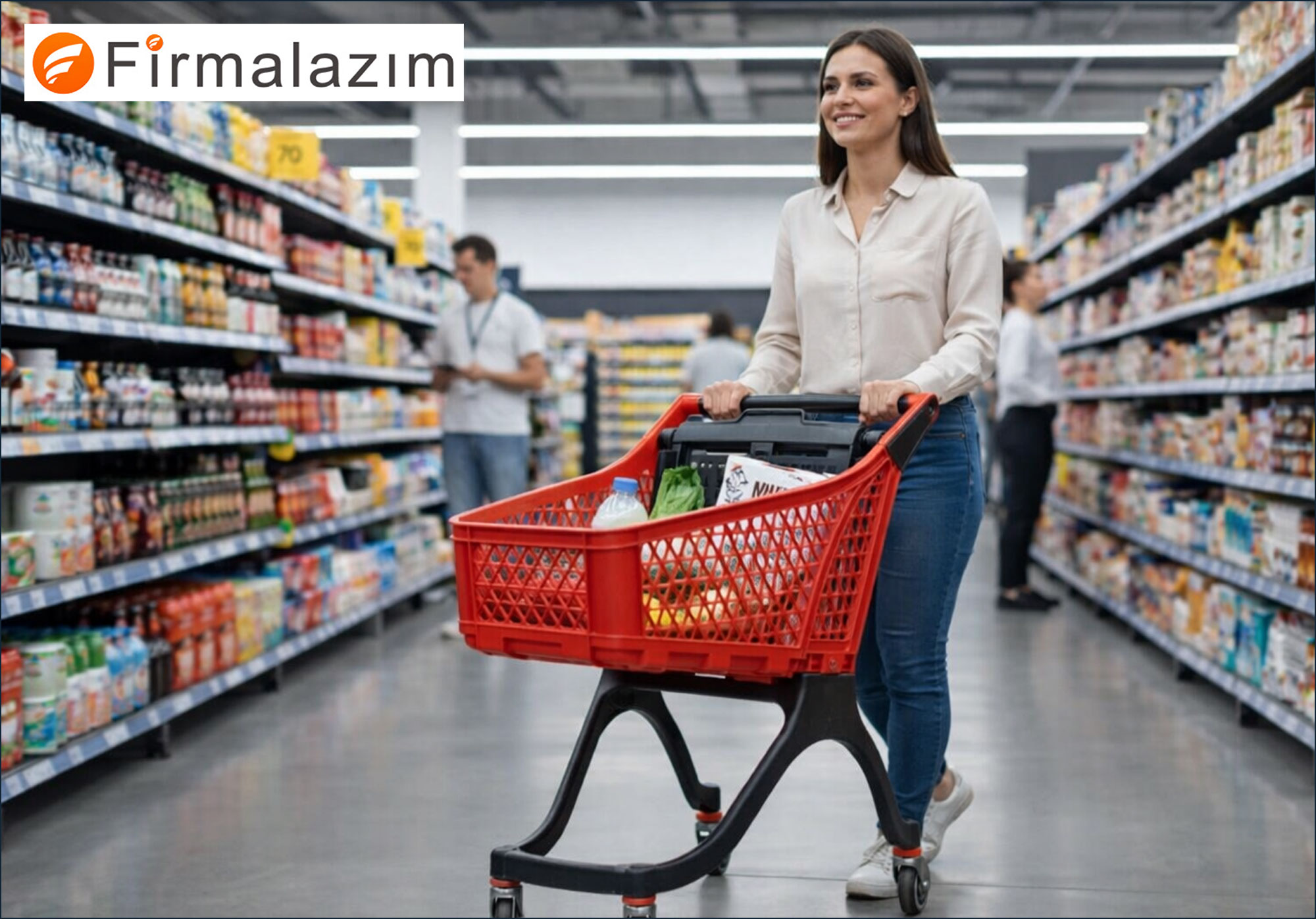
Wholesale Plastic Shopping Carts for Retail Chains in the UAE The retail industry in the United Arab Emirates has undergone rapid transformation over the past two decades. With the expansion of hypermarkets, supermarkets, convenience stores, specialty chains, and shopping malls across Dubai, Abu Dhabi, Sharjah, and other emirates, operational efficiency and customer experience have become critical success factors. Among the essential components of retail infrastructure, shopping carts play a surprisingly strategic role.
This in-depth article explores Wholesale Plastic Shopping Carts for Retail Chains in the UAE, examining market trends, material advantages, supply chain considerations, customization opportunities, sustainability factors, and long-term investment strategies. Additionally, we will discuss how FİRMALAZIM serves as a çözüm ortağı (solution partner) for businesses seeking reliable sourcing and scalable procurement models.
1. The Evolution of Retail Infrastructure in the UAE
The UAE retail landscape is characterized by:
- Rapid urbanization
- High disposable income levels
- Strong tourism sector
- Large expatriate population
- Expanding e-commerce and omnichannel integration
Retail chains must invest in equipment that supports both customer comfort and operational efficiency. While shelving systems, POS terminals, and digital signage often receive attention, shopping carts are equally critical. They directly influence shopping behavior, basket size, and brand perception.
As retail chains expand into new residential communities and commercial zones, demand for Wholesale Plastic Shopping Carts for Retail Chains in the UAE continues to grow. Retailers require bulk procurement solutions that combine durability, aesthetics, safety, and cost-effectiveness.
2. Why Plastic Shopping Carts Are Dominating the Market
For decades, metal shopping carts dominated global retail. However, plastic carts have emerged as a superior alternative in many environments, especially in the Gulf region.
2.1 Climate Resistance
The UAE climate presents unique challenges:
- High temperatures
- Humidity in coastal regions
- Occasional sandstorms
- Exposure to saline air
Plastic carts are highly resistant to rust and corrosion, making them ideal for hypermarkets with outdoor parking and trolley bays.
2.2 Reduced Maintenance Costs
Metal carts often require:
- Anti-rust treatments
- Frequent repainting
- Wheel replacements due to corrosion
Plastic carts significantly reduce maintenance overhead. For retail chains operating dozens of branches, this translates into substantial savings.
2.3 Lightweight Design
Plastic shopping carts are generally lighter than traditional steel alternatives. This offers:
- Easier maneuverability for customers
- Reduced strain on elderly shoppers
- Improved accessibility
- Less damage to store flooring
3. The Strategic Importance of Shopping Cart Design
Retail chains often underestimate the influence of cart design on purchasing behavior. Studies consistently show that larger, more ergonomic carts increase average basket size.
3.1 Ergonomics and Customer Comfort
Modern plastic carts feature:
- Ergonomic handles
- Smooth rolling wheels
- Stable base structures
- Child seating with safety belts
Comfortable carts encourage longer shopping duration, especially in hypermarkets exceeding 5,000 square meters.
3.2 Branding and Visual Identity
Plastic shopping carts offer superior customization options:
- Color matching to brand identity
- Logo printing
- Handle advertising panels
- Promotional message displays
Retail chains across the UAE use cart branding to reinforce their market positioning. When sourcing Wholesale Plastic Shopping Carts for Retail Chains in the UAE, retailers often prioritize brand-aligned color schemes.
4. Operational Efficiency for Multi-Branch Retail Chains
Large retail groups require standardized equipment across all branches. Consistency ensures:
- Simplified spare parts management
- Unified customer experience
- Centralized procurement advantages
Bulk purchasing significantly reduces per-unit cost. Partnering with a çözüm ortağı like FİRMALAZIM helps retail chains identify reliable manufacturers and negotiate optimal wholesale agreements.
FİRMALAZIM acts as a strategic sourcing çözüm ortağı, connecting retailers with high-quality plastic cart suppliers that meet international production standards.
5. Types of Plastic Shopping Carts for Retail Chains
Retail chains operate different store formats. Each format requires specific cart models.
5.1 Hypermarket Carts (180–240 Liters)
Ideal for:
- Family grocery shopping
- Bulk purchases
- Weekend shopping trips
Features often include:
- Reinforced plastic baskets
- Heavy-duty wheels
- Child seat compartments
5.2 Supermarket Carts (100–150 Liters)
Perfect for:
- Mid-size grocery stores
- Urban supermarkets
- Neighborhood retail chains
These models balance size and maneuverability.
5.3 Compact City Store Carts (60–80 Liters)
Designed for:
- Convenience stores
- Express supermarket formats
- Urban residential locations
Lightweight and easy to handle, these carts are increasingly popular in Dubai’s residential towers and mixed-use developments.
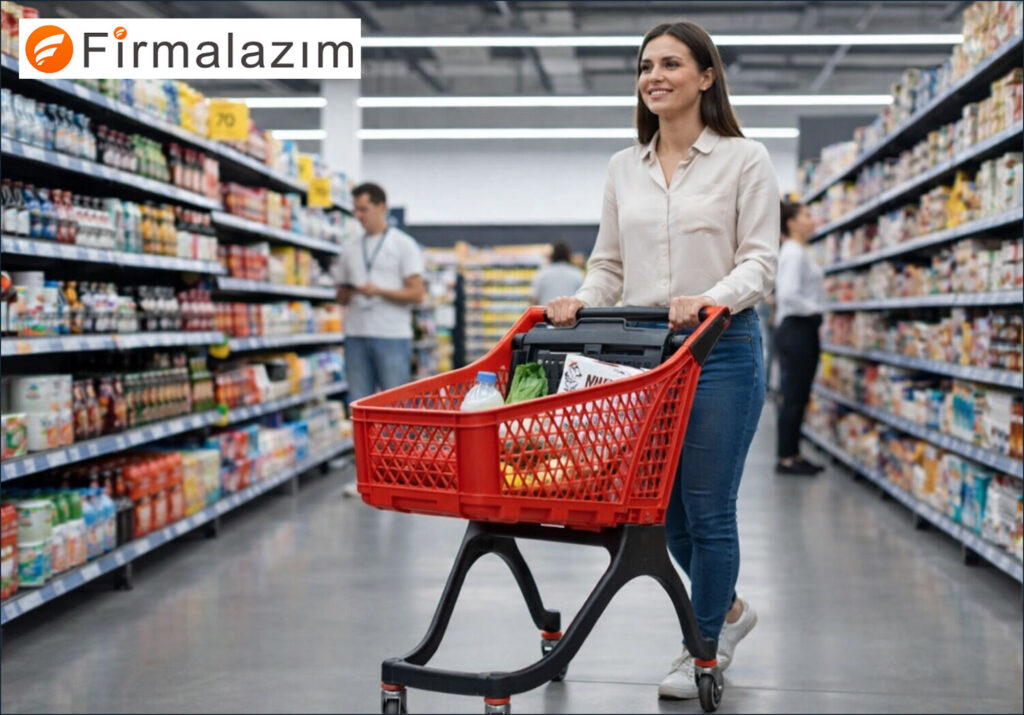
6. Wholesale Procurement Strategies in the UAE
Purchasing shopping carts individually is not economically viable for large retailers. Wholesale procurement ensures:
- Bulk discounts
- Consistent quality
- Long-term supplier relationships
- Streamlined logistics
When sourcing Wholesale Plastic Shopping Carts for Retail Chains in the UAE, retailers should evaluate:
- Manufacturer certifications
- Production capacity
- Material quality (HDPE or reinforced polypropylene)
- Load capacity specifications
- Wheel durability
- After-sales support
FİRMALAZIM, as a trusted çözüm ortağı, helps businesses conduct supplier due diligence and compare technical specifications before finalizing large-scale orders.
7. Material Considerations: HDPE vs. Polypropylene
Most plastic carts are manufactured using:
- High-Density Polyethylene (HDPE)
- Polypropylene (PP)
7.1 HDPE Advantages
- High impact resistance
- Long lifespan
- Excellent weather durability
7.2 Polypropylene Advantages
- Lightweight
- Strong chemical resistance
- Flexible design options
Retail chains operating in high-traffic environments often prefer reinforced HDPE carts for durability.
8. Safety Standards and Compliance in the UAE
Retail equipment must comply with international and regional safety standards. This includes:
- Child seat safety compliance
- Load-bearing capacity certification
- Non-toxic materials
- Smooth edge finishing
When importing Wholesale Plastic Shopping Carts for Retail Chains in the UAE, compliance with GCC safety guidelines is essential.
Working with FİRMALAZIM as a çözüm ortağı ensures that suppliers meet regulatory requirements and documentation standards.
9. Sustainability and Environmental Responsibility
Sustainability has become a major focus for UAE retail groups. Many chains are aligning with ESG goals and government sustainability initiatives.
Plastic carts offer environmental advantages when:
- Manufactured using recyclable materials
- Designed for long lifespan
- Produced with energy-efficient processes
Recycled plastic shopping carts are gaining popularity among eco-conscious retail brands.
Retail chains increasingly request eco-certified options when sourcing Wholesale Plastic Shopping Carts for Retail Chains in the UAE.
10. Cost Analysis and ROI
Shopping carts should be viewed as a long-term investment rather than a short-term expense.
10.1 Initial Investment
Wholesale purchasing significantly lowers unit cost. Factors affecting price:
- Order volume
- Customization level
- Material grade
- Shipping method
10.2 Long-Term Savings
Plastic carts reduce:
- Repair costs
- Replacement frequency
- Rust-related deterioration
The return on investment is particularly high for retail chains operating multiple branches across the UAE.
11. Logistics and Import Considerations
The UAE’s strategic location and advanced ports (Jebel Ali, Khalifa Port, etc.) facilitate efficient import processes.
Retailers must consider:
- Shipping container optimization
- Assembly requirements
- Customs documentation
- Storage capacity
FİRMALAZIM, acting as a çözüm ortağı, assists in coordinating logistics, ensuring smooth supply chain operations for bulk procurement.
12. Customization and Innovation Trends
Modern plastic shopping carts now incorporate:
- Anti-theft wheel locking systems
- RFID tracking
- Smart cart integration
- Mobile device holders
- Anti-bacterial coating
Innovation is reshaping the retail equipment market. Retailers sourcing Wholesale Plastic Shopping Carts for Retail Chains in the UAE increasingly demand technologically enhanced models.
13. Shopping Cart Fleet Management
Large retail chains must implement cart management systems, including:
- Routine inspection schedules
- Wheel maintenance programs
- Cleaning protocols
- Cart return bay organization
Plastic carts simplify maintenance compared to metal models.
14. Competitive Advantage Through Infrastructure
High-quality shopping carts contribute to:
- Positive customer perception
- Smooth shopping experience
- Reduced store congestion
- Increased average transaction value
Retail chains that invest in superior cart solutions often outperform competitors in customer satisfaction metrics.
15. The Role of FİRMALAZIM as a Strategic Çözüm Ortağı
In competitive retail markets, sourcing errors can be costly. FİRMALAZIM operates as a professional çözüm ortağı, connecting UAE retail chains with verified plastic cart manufacturers.
Through market research, supplier comparison, and quality control coordination, FİRMALAZIM supports businesses seeking reliable Wholesale Plastic Shopping Carts for Retail Chains in the UAE.
Retailers benefit from:
- Negotiation expertise
- Supplier vetting
- Technical consultation
- Long-term partnership development
Rather than navigating international sourcing independently, companies collaborate with FİRMALAZIM as their çözüm ortağı to ensure procurement efficiency.
16. Future Outlook of Retail Equipment in the UAE
The future of shopping carts in the UAE includes:
- Smart retail integration
- Sustainable material innovation
- Ergonomic advancements
- Modular cart systems
As omnichannel retail expands, physical stores must offer seamless in-store experiences. Durable, attractive, and functional plastic carts will remain essential.
Demand for Wholesale Plastic Shopping Carts for Retail Chains in the UAE is projected to rise alongside new retail developments and expansion of existing supermarket chains.
17.Making Checklist for Retail Chains
Before purchasing wholesale plastic shopping carts, retail chains should evaluate:
- Store format requirements
- Customer demographics
- Expected traffic volume
- Budget constraints
- Branding objectives
- Sustainability targets
- Long-term maintenance planning
Collaborating with FİRMALAZIM as a çözüm ortağı simplifies these decision-making processes.
18. Risk Management in Bulk Procurement
Potential risks include:
- Supplier inconsistency
- Shipping delays
- Quality discrepancies
- Regulatory compliance issues
Working with a structured çözüm ortağı like FİRMALAZIM reduces procurement risks and improves supply chain reliability.
19. Why the UAE Market Demands Premium Solutions
The UAE retail sector is globally competitive. Customers expect:
- Clean environments
- Modern equipment
- Efficient checkout processes
- Comfortable shopping experiences
Substandard shopping carts negatively impact brand reputation.
For this reason, investment in Wholesale Plastic Shopping Carts for Retail Chains in the UAE should prioritize quality over short-term cost savings.
20. Conclusion: Building Retail Success Through Smart Infrastructure
Shopping carts may appear to be simple retail tools, but they directly influence customer satisfaction, operational efficiency, and profitability.
Plastic shopping carts offer:
- Durability in harsh climates
- Reduced maintenance
- Branding flexibility
- Sustainability potential
- Cost efficiency in wholesale procurement
Retail chains expanding across the UAE must strategically source high-quality carts to maintain competitive advantage.
By partnering with FİRMALAZIM as a çözüm ortağı, businesses gain access to trusted suppliers, optimized procurement strategies, and long-term retail infrastructure solutions.
As the UAE retail sector continues to evolve, the importance of Wholesale Plastic Shopping Carts for Retail Chains in the UAE will only increase. Forward-thinking retailers recognize that every detail—from product display to shopping cart design—contributes to commercial success.
Invest wisely, source strategically, and build retail environments that elevate both brand identity and customer experience.
100 LT Plastic Market Trolleys
The retail industry continues to evolve rapidly, and one of the most essential tools supporting customer experience and operational efficiency is the shopping trolley. Among the various models available in the global market, 100 LT Plastic Market Trolleys have become one of the most preferred solutions for supermarkets, hypermarkets, and retail chains worldwide.
A 100-liter plastic market trolley represents the perfect balance between capacity and maneuverability. It is neither too large nor too small, making it ideal for urban supermarkets, mid-sized grocery stores, and neighborhood retail outlets.
Why 100 LT Plastic Market Trolleys Are So Popular
The popularity of 100 LT Plastic Market Trolleys stems from their versatility. They are large enough to hold a week’s worth of groceries for a family, yet compact enough to navigate narrow aisles and crowded store layouts.
Retailers favor them because:
- They reduce aisle congestion.
- They improve customer mobility.
- They support efficient store layouts.
- They increase average basket size.
- They are cost-effective in bulk purchases.
Technical Specifications of 100 LT Plastic Market Trolleys
Most high-quality 100-liter plastic trolleys include:
- Capacity: 100 liters
- Load capacity: 120–160 kg
- Material: High-Density Polyethylene (HDPE)
- Reinforced chassis (plastic or hybrid metal)
- Ergonomic loop handle
- Child seat with safety belt
- 4 swivel wheels (2 fixed + 2 rotating in some models)
- Anti-static wheel system
The compact dimensions make them ideal for convenience-focused retail formats.
Benefits of Plastic Over Metal in 100 LT Models
Plastic offers several advantages:
- Rust resistance
- Lightweight construction
- Lower maintenance cost
- Quieter rolling experience
- Branding customization options
For stores in humid or coastal climates, plastic prevents corrosion issues that are common with steel wire carts.
Plastic Shopping Trolleys Manufacturer in Turkey
Turkey has emerged as one of the leading global hubs for plastic shopping trolley manufacturing. The country combines industrial expertise, competitive labor costs, and advanced production technologies.
Why Choose a Plastic Shopping Trolleys Manufacturer in Turkey?
1. Strategic Geographic Location
Turkey connects Europe, Asia, and the Middle East, offering strong logistics advantages.
2. Advanced Injection Molding Technology
Turkish manufacturers use high-capacity injection molding machines capable of producing durable HDPE baskets.
3. Competitive Pricing
Lower operational costs compared to Western Europe enable competitive wholesale pricing.
4. Export Experience
Turkish manufacturers export to over 100 countries.
5. Compliance with International Standards
Most manufacturers comply with ISO certifications and EU safety regulations.
Manufacturing Process in Turkey
The production of plastic shopping trolleys generally involves:
- Raw material preparation (HDPE pellets)
- Injection molding
- Structural reinforcement assembly
- Wheel installation
- Surface finishing
- Load testing
- Quality control inspection
- Packaging for export
The ability to produce high volumes quickly makes Turkey a strong partner for international retail chains.
Wholesale Luxury Shopping Trolley
As retail becomes increasingly experience-driven, many brands are investing in premium store equipment. The Wholesale Luxury Shopping Trolley category caters to upscale supermarkets, high-end retail stores, and luxury shopping malls.
What Defines a Luxury Shopping Trolley?
Luxury shopping trolleys typically feature:
- Modern aesthetic design
- Premium-grade materials
- Smooth and silent wheels
- Anti-bacterial coatings
- Custom color branding
- Chrome-plated or aluminum structural components
- High-load bearing systems
Target Markets
Luxury shopping trolleys are commonly used in:
- Premium organic supermarkets
- Gourmet grocery chains
- Luxury department stores
- International hypermarket brands
- Shopping centers with upscale clientele
Customization Options
Wholesale buyers can request:
- Brand-matching colors
- Logo printing on handles
- Digital advertising panels
- RFID tracking systems
- Anti-theft locking wheels
Bulk purchasing significantly reduces the cost per unit, making wholesale luxury shopping trolleys a strategic investment.
Plastic Market Trolleys
Plastic market trolleys are increasingly replacing traditional steel models across the globe.
Advantages of Plastic Market Trolleys
Durability
HDPE plastic resists impact and environmental stress.
Weather Resistance
Plastic does not corrode in humid, coastal, or rainy environments.
Lightweight Design
Easier for elderly customers to handle.
Low Maintenance
No repainting or anti-rust treatment required.
Noise Reduction
Plastic baskets combined with rubberized wheels create a quieter shopping environment.
Environmental Considerations
Many plastic market trolleys today are made from:
- Recyclable HDPE
- Recycled plastic materials
- Environmentally certified polymers
Sustainable manufacturing is becoming a competitive advantage in global retail procurement.
Shopping Cart
The term shopping cart refers to a wheeled basket used by customers to transport goods within a retail store.
History of the Shopping Cart
The modern shopping cart was invented in 1937 by Sylvan Goldman in the United States.
Goldman introduced the cart at Humpty Dumpty Supermarkets. Initially, customers hesitated to use it, but after marketing efforts and design improvements, it became a retail revolution.
Evolution of the Shopping Cart
- 1930s: Folding chair-based design
- 1940s: Nested wire cart invention
- 1960s–1980s: Standard steel models dominate
- 2000s: Plastic and hybrid carts introduced
- 2010s–2020s: Smart and RFID-enabled carts
The shopping cart significantly increased customer purchase volume and store revenue.
Plastic Shopping Cart 100 Lt Loop
The Plastic Shopping Cart 100 Lt Loop is a specialized version of the 100-liter cart featuring a loop-style ergonomic handle.
Benefits of the Loop Handle Design
- Improved grip
- Enhanced maneuverability
- Stronger structural reinforcement
- Increased comfort for long shopping sessions
This model is particularly popular in urban supermarkets with high foot traffic.
Design Highlights
- Reinforced basket walls
- Anti-tip base structure
- Child safety seating
- High-performance swivel wheels
- Stackable nesting system
The loop design also improves durability by distributing pressure evenly across the handle structure.
Plastic & Metal Shopping Carts, Hand
Retail environments often require multiple cart solutions. The Plastic & Metal Shopping Carts, Hand category includes:
- Hybrid carts (metal frame + plastic basket)
- Hand baskets with wheels
- Compact rolling baskets
- Heavy-duty warehouse carts
Hybrid Carts
Hybrid carts combine the strength of metal with the corrosion resistance of plastic. These models are ideal for high-traffic hypermarkets.
Hand Baskets
Hand baskets are designed for:
- Quick shopping trips
- Express stores
- Small convenience outlets
They are lightweight, stackable, and affordable.
Warehouse-Style Carts
Larger stores may use reinforced models capable of carrying bulk items.
Offering both plastic and metal options allows retailers to adapt to different store formats.
How Much Does a Grocery Store Shopping Cart Cost
Understanding the cost structure of grocery store shopping carts is essential for retailers planning large-scale procurement.
Average Cost Breakdown
Standard Steel Shopping Cart
- Retail price: $100 – $180
- Wholesale price (bulk): $70 – $120
Plastic Shopping Cart
- Retail price: $120 – $220
- Wholesale price: $80 – $150
Luxury or Smart Cart
- Retail price: $250 – $1,000+
What Influences Grocery Store Shopping Cart Cost?
- Raw material prices
- Manufacturing labor costs
- Wheel quality
- Anti-theft systems
- Custom branding
- Freight and shipping
- Import duties
Manufacturing Cost Estimate
For a standard plastic 100-liter trolley:
- Plastic raw material: $30–$50
- Frame components: $15–$25
- Wheels: $12–$20
- Labor: $20–$40
- Packaging and logistics: $10–$25
Estimated factory cost: $90–$160 per unit
Retail markup accounts for distribution and profit margins.
Long-Term Investment and ROI
Shopping carts are long-term assets. Their lifespan ranges between:
- 5–10 years for steel
- 7–12 years for plastic
Annual maintenance per cart typically ranges from $10 to $30.
Investing in higher-quality carts reduces replacement frequency and improves customer satisfaction.
Anti-Theft and Tracking Technology
Modern shopping carts may include:
- RFID tags
- GPS locking wheels
- Magnetic perimeter locking systems
- Smart digital screens
Cart theft costs retailers millions annually. Tracking systems reduce losses significantly.
Global Market Trends
The global shopping trolley market is influenced by:
- Growth of supermarket chains
- Urbanization
- Smart retail technologies
- Sustainability initiatives
- E-commerce integration
Plastic 100-liter models remain among the fastest-growing segments.
Sustainability and Recycling
Many manufacturers now offer:
- Recycled HDPE carts
- Modular repair components
- Replaceable wheel systems
- Eco-friendly packaging
Retail chains increasingly prefer environmentally responsible suppliers.
Conclusion
From 100 LT Plastic Market Trolleys to Wholesale Luxury Shopping Trolley solutions, the shopping cart industry continues to innovate.
Choosing a reliable Plastic Shopping Trolleys Manufacturer in Turkey can offer competitive pricing, high production capacity, and global export capability.
Whether selecting a Plastic Shopping Cart 100 Lt Loop, hybrid models in the Plastic & Metal Shopping Carts, Hand category, or evaluating How Much Does a Grocery Store Shopping Cart Cost, retailers must consider durability, branding, maintenance, and long-term ROI.
Shopping carts are more than simple store equipment. They are strategic retail assets that directly influence customer experience, operational efficiency, and overall profitability.
A well-selected shopping cart solution supports business growth, enhances store image, and ensures sustainable retail success for years to come.
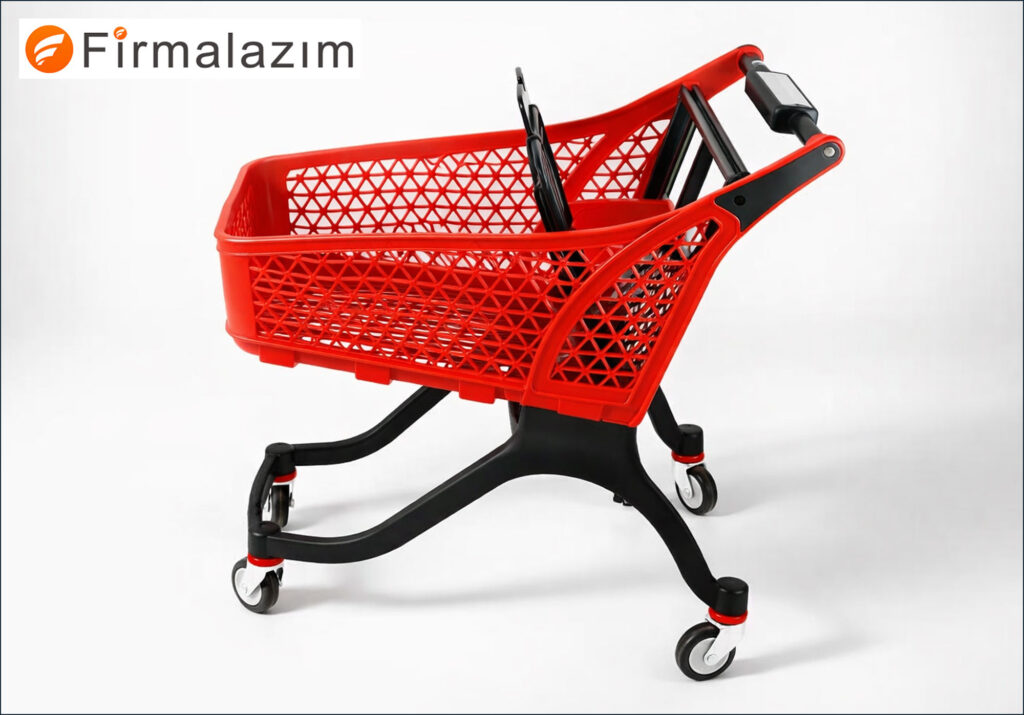
The global retail industry continues to evolve at an accelerated pace, driven by urbanization, technological advancement, shifting consumer behaviors, and sustainability demands. At the center of this transformation stands one of the most essential yet often overlooked retail tools: the shopping trolley. Among international suppliers, a Plastic Shopping Trolleys Manufacturer in Turkey has become an increasingly strategic choice for supermarkets, hypermarkets, retail chains, wholesalers, and commercial project developers worldwide.
Turkey has positioned itself as a powerful manufacturing hub that combines industrial expertise, modern production technologies, competitive pricing, and strong export infrastructure. Retailers seeking durable, cost-effective, and customizable plastic shopping trolley solutions are increasingly turning toward Turkish manufacturers to meet their growing needs.
In this comprehensive guide, we will explore the plastic shopping trolley manufacturing sector in Turkey in depth, covering production capabilities, export advantages, technical specifications, wholesale procurement strategies, sustainability, innovation, and long-term retail investment benefits. Throughout this article, we will also examine how FİRMALAZIM acts as a çözüm ortağı (solution partner) for businesses seeking reliable sourcing and strategic procurement partnerships.
1. The Global Demand for Plastic Shopping Trolleys
Retail formats are expanding worldwide. From large hypermarkets in Europe and the Middle East to neighborhood supermarkets in Africa and Asia, the demand for durable shopping carts is increasing every year.
Plastic shopping trolleys have become particularly popular because they offer:
- Corrosion resistance
- Lightweight maneuverability
- Reduced maintenance
- Modern aesthetics
- Enhanced customization
Retailers operating in humid climates or coastal regions prefer plastic models due to their resistance to rust and environmental damage.
As global retail chains expand into emerging markets, the search for a trusted Plastic Shopping Trolleys Manufacturer in Turkey continues to grow.
2. Why Turkey Is a Leading Plastic Shopping Trolley Manufacturing Hub
Turkey’s industrial sector has experienced rapid modernization over the past two decades. The country offers a strong combination of engineering capability, competitive labor costs, and advanced production facilities.
Strategic Geographic Location
Turkey connects Europe, Asia, and the Middle East. This strategic location allows manufacturers to export efficiently to:
- European Union countries
- Gulf Cooperation Council (GCC) nations
- North Africa
- Central Asia
- Eastern Europe
Shipping routes through ports such as Istanbul, Izmir, and Mersin provide logistical flexibility.
Advanced Production Infrastructure
A professional Plastic Shopping Trolleys Manufacturer in Turkey typically operates:
- High-capacity injection molding machines
- Automated welding systems
- CNC metal processing units
- Powder coating lines
- Robotic assembly stations
These capabilities ensure consistent product quality and high-volume output.
3. Materials Used in Plastic Shopping Trolley Manufacturing
Quality begins with material selection. Turkish manufacturers primarily use:
High-Density Polyethylene (HDPE)
HDPE is widely preferred because it offers:
- High impact resistance
- Flexibility without cracking
- UV resistance
- Long lifespan
Polypropylene (PP)
Polypropylene provides:
- Lightweight structure
- Chemical resistance
- Cost efficiency
Premium manufacturers combine reinforced plastic baskets with metal chassis for hybrid strength.
Retail chains working with FİRMALAZIM as a çözüm ortağı benefit from technical evaluation support when selecting the appropriate material grade for their operational needs.
4. Manufacturing Process of Plastic Shopping Trolleys in Turkey
The production process involves several key stages:
1. Raw Material Preparation
Plastic resin pellets are prepared and quality-checked.
2. Injection Molding
Large-scale molds form the trolley basket shape under high temperature and pressure.
3. Structural Reinforcement
Depending on the model, metal frames or reinforced plastic supports are added.
4. Wheel Installation
Heavy-duty swivel wheels with precision bearings are mounted.
5. Surface Finishing
Edges are smoothed and surfaces polished for safety.
6. Load Testing
Each model undergoes load-bearing tests to ensure durability.
7. Quality Control Inspection
Strict inspection processes guarantee compliance with international standards.
A reputable Plastic Shopping Trolleys Manufacturer in Turkey ensures each stage meets global quality benchmarks.
5. Types of Plastic Shopping Trolleys Manufactured in Turkey
Turkish manufacturers offer diverse product categories:
60–80 Liter Compact Models
Ideal for convenience stores and express supermarkets.
100–125 Liter Standard Models
The most popular segment for mid-sized supermarkets.
180–240 Liter Hypermarket Models
Designed for bulk shopping and large retail spaces.
Luxury and Premium Trolleys
Featuring custom branding, silent wheels, and modern design.
Hybrid Plastic & Metal Trolleys
Combining corrosion resistance with structural strength.
Retail buyers working with FİRMALAZIM as their çözüm ortağı can compare multiple manufacturers and product lines to select optimal solutions.
6. Competitive Pricing Advantage
One of the main reasons global retailers choose a Plastic Shopping Trolleys Manufacturer in Turkey is cost competitiveness.
Factors influencing pricing include:
- Raw material costs
- Order volume
- Customization level
- Shipping destination
- Currency exchange rates
Wholesale pricing becomes particularly attractive for bulk orders exceeding 500 or 1,000 units.
By partnering with FİRMALAZIM as a çözüm ortağı, businesses gain access to price negotiation support and supplier comparison analysis.
7. Customization and Branding Capabilities
Plastic shopping trolleys offer superior customization flexibility compared to traditional steel carts.
Options include:
- Custom color matching
- Logo printing on handles
- Advertising panels
- RFID tracking integration
- Anti-theft locking wheels
- Child seat safety customization
Branding strengthens retail identity and enhances customer perception.
A trusted Plastic Shopping Trolleys Manufacturer in Turkey provides full OEM and ODM solutions for international clients.
8. Export Experience and Global Market Reach
Turkish trolley manufacturers export to:
- Germany
- France
- United Kingdom
- United Arab Emirates
- Saudi Arabia
- Qatar
- Egypt
- South Africa
- Kazakhstan
Export documentation typically includes:
- Certificate of Origin
- Bill of Lading
- Commercial Invoice
- Packing List
- CE compliance certificates
FİRMALAZIM, acting as a çözüm ortağı, assists international buyers in navigating export logistics and documentation requirements.
9. Sustainability and Environmental Responsibility
Sustainability is becoming central to retail procurement strategies.
Turkish manufacturers increasingly offer:
- Recycled plastic trolley options
- Energy-efficient production
- Waste reduction systems
- Recyclable packaging
Plastic shopping trolleys manufactured from recyclable HDPE align with ESG objectives and environmental standards.
Retailers working with FİRMALAZIM as a çözüm ortağı can request eco-certified product alternatives.
10. Durability and Lifespan
Plastic shopping trolleys generally last:
- 7–12 years in moderate usage
- 5–8 years in high-traffic hypermarkets
Durability depends on:
- Wheel quality
- Load capacity
- Maintenance frequency
- Environmental conditions
Proper maintenance significantly extends service life.
11. Maintenance and Operational Cost Benefits
Compared to metal carts, plastic models offer:
- No rust treatment
- Lower repainting costs
- Reduced repair frequency
- Easier cleaning
Annual maintenance cost per trolley typically ranges between $10–$25.
Long-term cost savings make plastic shopping trolleys an economically sound investment.
12. Smart Technology Integration
Modern Plastic Shopping Trolleys Manufacturer in Turkey facilities now integrate:
- RFID tracking systems
- Anti-theft perimeter locking
- Smart display screens
- Digital scanning capabilities
These innovations support omnichannel retail strategies and improve operational control.
13. Risk Management in International Procurement
Sourcing internationally involves potential risks:
- Supplier inconsistency
- Production delays
- Quality discrepancies
- Shipping disruptions
Working with FİRMALAZIM as a çözüm ortağı minimizes these risks through:
- Supplier vetting
- Factory audits
- Production monitoring
- Contract negotiation support
This structured approach increases procurement reliability.
14. Market Trends Shaping the Future
The future of plastic shopping trolley manufacturing in Turkey is shaped by:
- Increased automation
- AI-assisted quality control
- Sustainable material innovation
- Modular trolley design
- Lightweight structural engineering
Demand for modern retail infrastructure continues to rise globally.
15. Choosing the Right Plastic Shopping Trolleys Manufacturer in Turkey
Retailers should evaluate:
- Production capacity
- Export experience
- Certification standards
- Customization flexibility
- Pricing transparency
- After-sales support
A strategic çözüm ortağı like FİRMALAZIM simplifies the evaluation and selection process.
16. Long-Term Retail Investment Strategy
Shopping trolleys influence:
- Customer comfort
- Store flow efficiency
- Brand perception
- Purchase volume
High-quality plastic trolleys contribute directly to increased basket size and customer satisfaction.
Selecting a reliable Plastic Shopping Trolleys Manufacturer in Turkey ensures long-term operational stability.
17. Conclusion
The global retail sector demands durable, cost-effective, and customizable shopping trolley solutions. Turkey has emerged as a strong industrial hub capable of meeting international quality standards while offering competitive pricing and flexible production capacity.
Partnering with a reputable Plastic Shopping Trolleys Manufacturer in Turkey provides retailers with access to advanced manufacturing technology, export expertise, and scalable production.
By collaborating with FİRMALAZIM as a çözüm ortağı, businesses gain strategic procurement advantages, supplier verification support, negotiation assistance, and risk mitigation solutions.
In a competitive retail environment, investing in high-quality plastic shopping trolleys is not merely an operational decision—it is a strategic move that strengthens brand identity, enhances customer experience, and ensures sustainable growth.
The future of retail infrastructure depends on durable, innovative, and environmentally responsible solutions. Turkish plastic shopping trolley manufacturers stand ready to deliver those solutions to global markets.

Bir yanıt yazın