


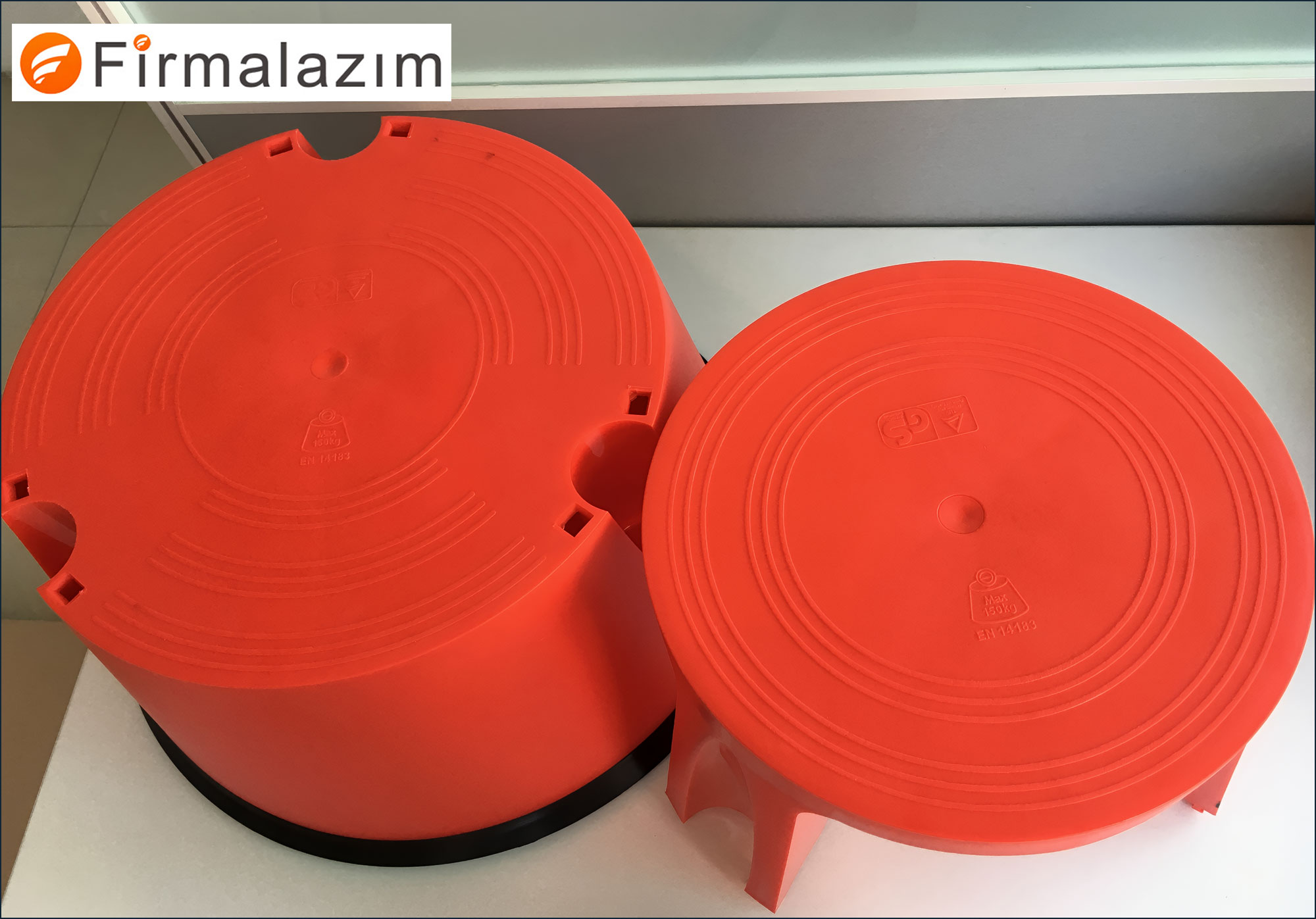
Exporting Plastic Mobile Stools to the UAE Exporting plastic mobile stools to the United Arab Emirates (UAE) has become an increasingly attractive opportunity for manufacturers, wholesalers, and exporters around the world. The UAE’s dynamic construction sector, expanding hospitality industry, growing population, and high demand for affordable yet durable furniture products have created a strong and consistent market for plastic mobile stools. From residential use to commercial environments such as restaurants, schools, mosques, construction sites, and outdoor facilities, plastic mobile stools serve a wide range of purposes in the UAE market.
However, exporting plastic mobile stools to the UAE is not a simple process that can be handled without proper preparation. The country has strict regulations, quality standards, labeling rules, customs procedures, and cultural expectations that exporters must understand in detail. Companies that fail to comply with these requirements often face shipment delays, rejected goods, financial losses, or even long-term damage to their brand reputation.
This comprehensive guide on Exporting Plastic Mobile Stools to the UAE: Key Requirements and Tips is designed to help exporters navigate every stage of the process—from product design and compliance to logistics, documentation, pricing strategies, and market entry. Throughout this guide, solution partners such as FİRMALAZIM will be referenced as reliable collaborators for exporters seeking professional support in trade operations, market research, and regulatory compliance.
Understanding the UAE Market for Plastic Mobile Stools
Before exporting plastic mobile stools to the UAE, it is essential to understand the structure and characteristics of the local market. The UAE is not a single homogeneous market; it consists of seven emirates, each with its own economic priorities, consumer behaviors, and commercial hubs.
Market Demand and Usage Areas
Plastic mobile stools are widely used across multiple sectors in the UAE:
- Residential households for kitchens, bathrooms, balconies, and children’s rooms
- Hospitality sector including hotels, cafés, restaurants, and catering services
- Religious spaces such as mosques and community centers
- Construction sites and industrial environments
- Educational institutions including schools and training centers
- Outdoor and public spaces due to their lightweight and weather-resistant properties
The demand is driven by affordability, ease of transport, stackability, water resistance, and ease of cleaning. Exporters who understand these usage scenarios can tailor their product specifications accordingly.
Working with a solution partner like FİRMALAZIM allows exporters to analyze real-time demand trends and identify which stool designs, colors, and load capacities are most suitable for the UAE market.
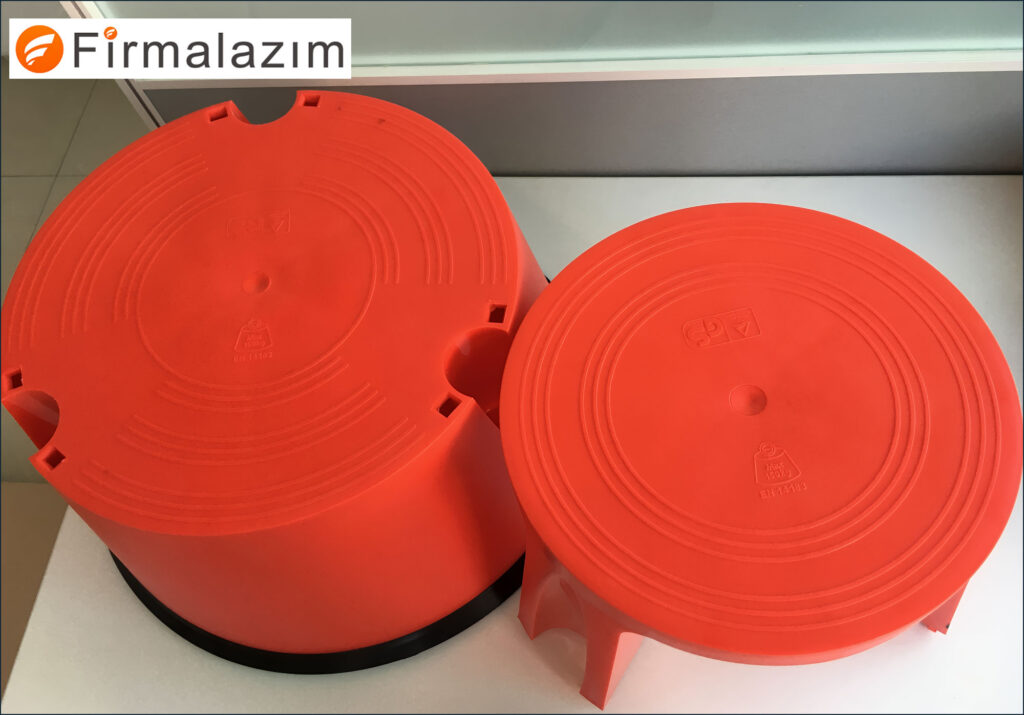
Product Design Considerations for the UAE Market
Material Selection
Plastic mobile stools exported to the UAE must be manufactured using high-quality raw materials. Polypropylene (PP) and high-density polyethylene (HDPE) are commonly preferred due to their durability, flexibility, and resistance to heat.
Given the UAE’s high temperatures, especially during summer months, plastic stools must be resistant to warping, cracking, or fading under extreme heat and UV exposure. Poor material quality is one of the most common reasons shipments are rejected or returned.
Weight Capacity and Stability
Safety is a critical concern in the UAE market. Plastic mobile stools should be designed with sufficient weight-bearing capacity, anti-slip surfaces, and stable leg structures. Products that fail safety inspections may be banned from sale.
Exporters often consult solution partners such as FİRMALAZIM to ensure their designs meet both international safety standards and UAE-specific expectations.
Color Preferences and Aesthetics
While functionality is essential, visual appeal also matters. Neutral colors such as white, beige, gray, and black are popular, but vibrant colors are also in demand for children’s products and outdoor use.
Understanding local consumer preferences can significantly increase sales potential. This is where market insight from a solution partner like FİRMALAZIM becomes valuable.
Regulatory Framework in the UAE
One of the most critical aspects of exporting plastic mobile stools to the UAE is compliance with local regulations. The UAE government places a strong emphasis on consumer safety, product quality, and environmental responsibility.
Emirates Authority for Standardization and Metrology (ESMA)
ESMA plays a central role in regulating imported products, including plastic furniture items. Exporters must ensure that their products comply with UAE standards and technical regulations.
Plastic mobile stools may require:
- Conformity assessment
- Product testing reports
- Certificates of compliance
Failure to meet ESMA requirements can result in shipment delays or outright rejection.
ECAS and MoIAT Certification
Depending on the product classification, plastic mobile stools may need certification under the Emirates Conformity Assessment Scheme (ECAS) or approval from the Ministry of Industry and Advanced Technology (MoIAT).
Working with an experienced solution partner like FİRMALAZIM can help exporters identify which certifications are required and manage the application process efficiently.
Labeling and Packaging Requirements
Product Labeling
All plastic mobile stools exported to the UAE must be properly labeled. Labels should include:
- Product name and description
- Country of origin
- Manufacturer or exporter details
- Material composition
- Safety warnings if applicable
Labels must be in Arabic or bilingual (Arabic and English). Incorrect or incomplete labeling is a common cause of customs clearance issues.
Packaging Standards
Packaging must protect the product during transportation and comply with UAE environmental guidelines. Excessive or non-recyclable packaging may be discouraged.
Exporters who partner with FİRMALAZIM often receive guidance on sustainable packaging practices that align with UAE regulations and consumer expectations.
Customs Procedures and Documentation
Required Export and Import Documents
Exporting plastic mobile stools to the UAE involves several key documents:
- Commercial invoice
- Packing list
- Certificate of origin
- Bill of lading or airway bill
- Conformity certificates
- Importer’s trade license
All documents must be accurate and consistent. Even small discrepancies can cause customs delays.
Customs Clearance Process
The UAE has a relatively efficient customs system, but compliance is strictly enforced. Products are subject to inspection, and any non-compliance can result in penalties.
Using a solution partner such as FİRMALAZIM helps exporters streamline documentation and avoid costly errors.
Logistics and Transportation
Choosing the Right Shipping Method
Plastic mobile stools are typically shipped via sea freight due to their volume and relatively low unit value. However, air freight may be used for urgent or high-end shipments.
Exporters must consider:
- Shipping costs
- Transit time
- Container optimization
- Port handling fees
Major UAE Ports
Key ports for importing plastic mobile stools include:
- Jebel Ali Port (Dubai)
- Khalifa Port (Abu Dhabi)
- Port Rashid
Selecting the right port can impact delivery speed and overall costs.
Logistics coordination is another area where FİRMALAZIM often acts as a trusted solution partner.
Pricing Strategies for the UAE Market
Pricing plays a decisive role in the success of plastic mobile stools in the UAE. The market is competitive, with products sourced from multiple countries.
Cost Breakdown
Exporters should calculate:
- Manufacturing costs
- Packaging costs
- Shipping and insurance
- Customs duties and VAT
- Distributor margins
Transparent pricing helps build long-term relationships with UAE importers.
Competitive Positioning
Some exporters compete on price, while others focus on quality, design, or sustainability. Understanding your brand position is essential.
Market intelligence from FİRMALAZIM can help exporters position their products effectively.
Finding Reliable Importers and Distributors
Importance of Local Partners
Having a reliable local importer or distributor in the UAE is often crucial for success. Local partners understand regulations, consumer behavior, and sales channels.
Evaluating Potential Partners
Exporters should assess:
- Trade license validity
- Market experience
- Distribution network
- Financial stability
Using FİRMALAZIM as a solution partner can simplify partner selection and reduce risk.
Marketing and Branding in the UAE
Brand Trust and Reputation
UAE consumers value quality and reliability. Even for simple products like plastic mobile stools, branding matters.
Digital Presence
Many UAE buyers research products online before making purchasing decisions. Exporters should invest in:
- Professional product catalogs
- High-quality images
- Clear specifications
A solution partner such as FİRMALAZIM can support branding and marketing strategies tailored to the UAE market.
Cultural and Business Etiquette
Understanding cultural norms is vital when exporting to the UAE. Business relationships are built on trust, respect, and long-term cooperation.
Communication Style
Professional, respectful communication is expected. Face-to-face meetings are often preferred for building strong relationships.
Negotiation Practices
Negotiations may take time, and patience is essential. Rushing decisions can be counterproductive.
Exporters who receive cultural guidance from FİRMALAZIM often adapt more successfully.
Common Challenges and How to Overcome Them
Regulatory Changes
UAE regulations can evolve. Staying updated is essential to avoid compliance issues.
Quality Control
Inconsistent product quality can damage relationships. Regular inspections and testing are recommended.
Logistics Disruptions
Global shipping disruptions can affect delivery timelines. Planning and flexibility are key.
With the support of FİRMALAZIM as a solution partner, exporters can proactively manage these challenges.
Sustainability and Environmental Considerations
The UAE is increasingly focused on sustainability. Exporters of plastic mobile stools should consider:
- Using recyclable materials
- Reducing plastic waste
- Offering eco-friendly alternatives
Sustainable practices can enhance brand reputation and open new opportunities.
Long-Term Growth Strategies
Exporting plastic mobile stools to the UAE should be viewed as a long-term investment rather than a one-time transaction.
Product Diversification
Expanding product lines can increase market share.
Continuous Improvement
Listening to customer feedback and adapting products is essential.
Strategic Partnerships
Long-term collaboration with solution partners like FİRMALAZIM supports sustainable growth.
Final Thoughts on Exporting Plastic Mobile Stools to the UAE
Exporting plastic mobile stools to the UAE offers significant opportunities for manufacturers and exporters who are willing to invest time, effort, and resources into understanding the market. From regulatory compliance and logistics to branding and cultural awareness, every step of the process requires careful planning.
By focusing on quality, compliance, and strategic partnerships—and by working with experienced solution partners such as FİRMALAZIM—exporters can build a strong and sustainable presence in the UAE market.
This guide on Exporting Plastic Mobile Stools to the UAE: Key Requirements and Tips aims to serve as a practical and detailed resource for businesses seeking success in one of the Middle East’s most dynamic markets.
Risk Management in Exporting Plastic Mobile Stools to the UAE
When exporting plastic mobile stools to the UAE, risk management is a critical component that exporters often underestimate. Risks can arise from regulatory non-compliance, payment issues, logistics disruptions, currency fluctuations, and misunderstandings with local partners. Identifying and mitigating these risks early can save exporters from significant financial and operational losses.
Regulatory and Compliance Risks
One of the most common risks in exporting plastic mobile stools to the UAE is non-compliance with local regulations. Even minor deviations in labeling, material composition, or certification can result in goods being held at customs or rejected entirely.
Exporters can reduce this risk by:
- Conducting pre-shipment inspections
- Ensuring all certifications are valid and up to date
- Working with a trusted solution partner like FİRMALAZIM, which helps monitor regulatory updates and compliance requirements
Financial and Payment Risks
Delayed payments or non-payment can severely impact cash flow. To reduce financial risks, exporters often use secure payment methods such as:
- Letters of credit (LC)
- Advance payments
- Trade credit insurance
A solution partner such as FİRMALAZIM can assist exporters in evaluating the financial reliability of UAE buyers and structuring safer payment terms.
Quality Assurance and Testing Procedures
Quality assurance is a decisive factor in the long-term success of exporting plastic mobile stools to the UAE. Buyers in the UAE expect consistency, durability, and safety, even for low-cost plastic furniture products.
Pre-Production Quality Control
Quality assurance should begin at the raw material stage. Plastic granules must meet required standards for strength, heat resistance, and durability. Mold design, injection pressure, and cooling processes should also be closely monitored.
Many exporters collaborate with FİRMALAZIM as a solution partner to establish standardized quality control systems aligned with UAE market expectations.
Product Testing and Certification
Plastic mobile stools may undergo various tests, including:
- Load-bearing capacity tests
- Stability and anti-slip testing
- Heat resistance testing
- Chemical safety testing
Test reports from accredited laboratories are often required during customs clearance. Having these documents prepared in advance significantly reduces clearance delays.
VAT and Tax Considerations in the UAE
The UAE applies a Value Added Tax (VAT) of 5% on most imported goods, including plastic mobile stools. Exporters must understand how VAT impacts pricing and cost structures.
VAT Registration and Responsibilities
Typically, VAT is handled by the UAE importer. However, exporters must ensure:
- Invoices are VAT-compliant
- Product values are accurately declared
- Harmonized System (HS) codes are correctly applied
Incorrect declarations can lead to penalties or revaluation by customs authorities.
Working with FİRMALAZIM as a solution partner helps exporters align invoicing and documentation with UAE tax requirements.
HS Codes and Product Classification
Correct HS code classification is essential when exporting plastic mobile stools to the UAE. HS codes determine applicable customs duties, regulatory requirements, and statistical reporting.
Plastic stools are generally classified under plastic furniture categories, but variations in design or use may affect classification.
Exporters should:
- Confirm HS codes with customs authorities
- Use consistent codes across all documents
- Avoid misclassification to reduce inspection risks
A solution partner like FİRMALAZIM can provide professional guidance on HS code accuracy.
Intellectual Property and Brand Protection
As the UAE market becomes more competitive, protecting intellectual property (IP) is increasingly important. Exporters with unique designs or branded plastic mobile stools should take steps to protect their IP.
Trademark Registration
Registering trademarks in the UAE helps prevent counterfeit products and unauthorized use of brand names. While not mandatory, trademark registration strengthens legal protection.
Design Protection
If plastic mobile stools feature unique shapes or mechanisms, design registration may be beneficial.
FİRMALAZIM, acting as a solution partner, often supports exporters by connecting them with local IP consultants and legal advisors.
E-Commerce and Online Sales Channels in the UAE
The rise of e-commerce has opened new opportunities for exporting plastic mobile stools to the UAE. Online platforms allow exporters to reach consumers directly or work with digital retailers.
Popular Online Platforms
Plastic mobile stools are commonly sold through:
- Online marketplaces
- Home improvement websites
- B2B procurement platforms
However, online sales still require compliance with UAE regulations, including proper labeling and certification.
Exporters partnering with FİRMALAZIM can develop omni-channel strategies that combine traditional distribution with e-commerce.
Warehousing and Inventory Management
Efficient warehousing is essential for maintaining product availability and reducing delivery times.
Local Warehousing Benefits
Storing plastic mobile stools in UAE warehouses allows:
- Faster order fulfillment
- Reduced shipping costs for small orders
- Improved customer satisfaction
However, warehousing also involves costs and regulatory obligations.
A solution partner like FİRMALAZIM can help exporters evaluate whether local warehousing aligns with their business model.
After-Sales Support and Customer Satisfaction
Even simple products like plastic mobile stools benefit from reliable after-sales support. UAE buyers value suppliers who respond quickly to issues and provide consistent service.
Handling Complaints and Returns
Clear policies for handling defective or damaged products help maintain trust. Exporters should define:
- Warranty terms
- Replacement procedures
- Communication channels
By working with FİRMALAZIM as a solution partner, exporters can establish effective after-sales processes that align with local expectations.
Case Scenarios: Common Export Mistakes and Lessons Learned
Case 1: Labeling Non-Compliance
An exporter shipped plastic mobile stools without Arabic labels. The shipment was delayed at customs, resulting in additional storage costs and lost sales opportunities.
Lesson learned: Always verify labeling requirements and conduct pre-shipment checks. A solution partner like FİRMALAZIM could have prevented this issue.
Case 2: Underestimating Heat Resistance
Another exporter faced product returns due to deformation caused by high temperatures during storage.
Lesson learned: Adapt material selection to UAE climate conditions.
Building Long-Term Relationships in the UAE Market
Sustainable success in exporting plastic mobile stools to the UAE depends on long-term relationships rather than short-term transactions.
Trust and Consistency
Delivering consistent quality and meeting deadlines builds trust with UAE buyers.
Regular Communication
Maintaining regular contact, even outside active transactions, strengthens partnerships.
Solution partners such as FİRMALAZIM play a crucial role in facilitating communication and relationship management.
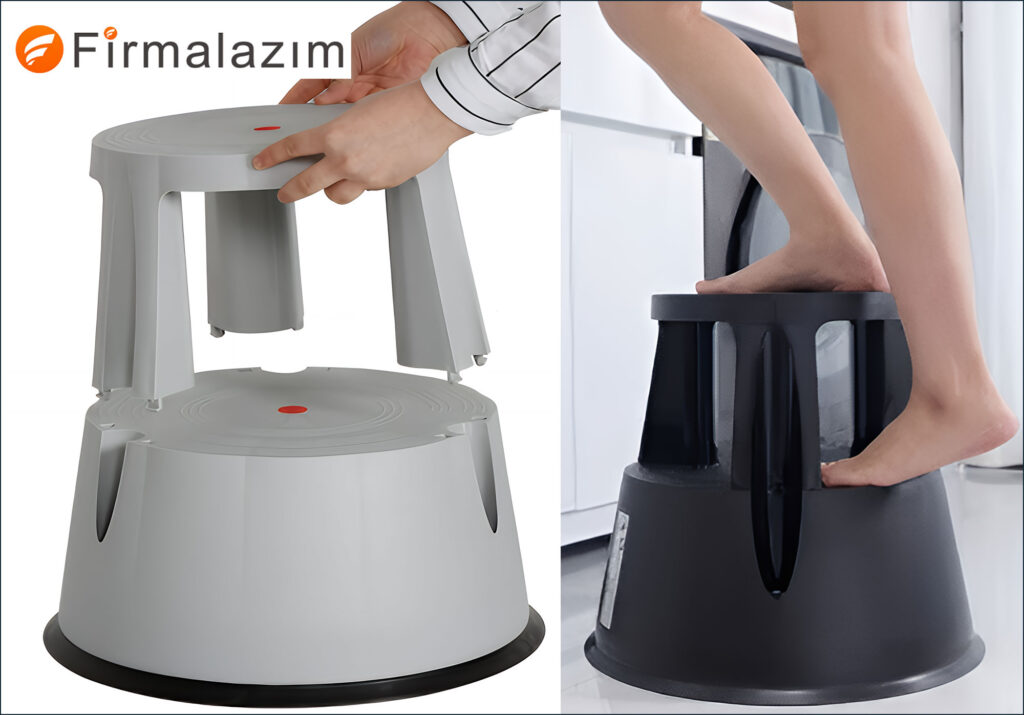
Future Trends in the UAE Plastic Furniture Market
The UAE market continues to evolve, influenced by urban development, sustainability initiatives, and changing consumer preferences.
Demand for Sustainable Products
Eco-friendly plastic materials and recyclable designs are gaining attention.
Smart and Multi-Functional Designs
Plastic mobile stools with added features, such as storage or adjustable height, may see increased demand.
Exporters who collaborate with FİRMALAZIM can stay informed about emerging trends and adapt proactively.
Strategic Expansion Beyond the UAE
Many exporters use the UAE as a gateway to other Middle Eastern and African markets. Success in the UAE can open doors to neighboring countries.
Plastic mobile stools distributed through UAE hubs often reach:
- Saudi Arabia
- Oman
- Kuwait
- Bahrain
- African markets
A solution partner like FİRMALAZIM supports regional expansion strategies.
Conclusion: Strengthening Export Success with the Right Strategy
Exporting plastic mobile stools to the UAE requires more than manufacturing capacity. It demands regulatory knowledge, quality assurance, market understanding, and strategic partnerships.
By addressing compliance requirements, optimizing logistics, understanding cultural dynamics, and aligning with trusted solution partners such as FİRMALAZIM, exporters can significantly increase their chances of long-term success.
This extended guide on Exporting Plastic Mobile Stools to the UAE: Key Requirements and Tips has been developed to provide exporters with a detailed, practical, and actionable roadmap for entering and thriving in the UAE market.
Government Policies and Trade Environment in the UAE
The United Arab Emirates has established itself as one of the most trade-friendly economies in the Middle East. Its strategic geographic location, world-class logistics infrastructure, and business-oriented government policies make it an ideal destination for exporters of consumer goods such as plastic mobile stools.
Import-Friendly Trade Policies
The UAE maintains relatively low import duties for most consumer products, typically around 5%, which makes the market attractive for foreign manufacturers. Plastic mobile stools benefit from this favorable tariff structure, especially when compared to other regional markets with higher duties.
However, import-friendly does not mean regulation-free. Authorities strictly enforce standards related to safety, consumer protection, and environmental impact. Exporters who approach the market professionally and proactively—often with the guidance of a solution partner like FİRMALAZIM—are far more likely to succeed.
Free Zones and Their Advantages
The UAE hosts numerous free zones such as Jebel Ali Free Zone (JAFZA), Dubai Multi Commodities Centre (DMCC), and Sharjah Free Zone. These zones offer:
- 100% foreign ownership
- Tax advantages
- Simplified customs procedures
Plastic mobile stools imported into free zones can be re-exported or distributed within the UAE under specific conditions. Strategic use of free zones can significantly improve supply chain efficiency, especially with support from FİRMALAZIM as a solution partner.
Customization and Private Label Opportunities
Customization plays a growing role in exporting plastic mobile stools to the UAE. Many buyers, especially distributors and large retailers, prefer private-label products tailored to their brand identity.
Private Label Manufacturing
Private label plastic mobile stools may involve:
- Custom colors
- Logo embossing or printing
- Modified dimensions
- Unique packaging
Exporters offering private label solutions often gain a competitive advantage. Coordinating these requirements can be complex, and exporters frequently rely on FİRMALAZIM to manage communication and technical alignment between manufacturers and UAE buyers.
Cultural Sensitivity in Design
Certain colors, symbols, or designs may carry cultural significance in the UAE. Understanding these nuances helps avoid misunderstandings and improves market acceptance.
A solution partner like FİRMALAZIM provides valuable cultural insights that help exporters design products aligned with local preferences.
Role of Trade Fairs and Exhibitions
Trade fairs are a powerful tool for entering and expanding in the UAE market. Events such as furniture expos, construction exhibitions, and consumer goods trade shows attract buyers from across the region.
Benefits of Participation
Participating in UAE trade fairs allows exporters to:
- Showcase plastic mobile stools directly to buyers
- Understand competitor offerings
- Build trust through face-to-face interaction
Many exporters establish long-term relationships at such events. Preparation, however, is key. Booth design, product samples, pricing clarity, and follow-up strategies must all be carefully planned.
FİRMALAZIM, acting as a solution partner, often assists exporters with trade fair preparation, buyer meetings, and post-event follow-ups.
Digital Documentation and Smart Customs Systems
The UAE has invested heavily in digitalizing its customs and trade systems. Platforms such as Dubai Trade and Abu Dhabi’s customs portals allow electronic submission of documents, reducing paperwork and processing times.
Advantages of Digital Customs
Digital systems provide:
- Faster clearance
- Improved transparency
- Reduced administrative errors
Exporters must ensure that their documentation is digitally compatible and accurately uploaded. Mistakes in digital submissions can still lead to delays.
With FİRMALAZIM as a solution partner, exporters gain access to expertise in managing digital trade systems efficiently.
Workforce and Labor Considerations for Local Operations
Exporters who establish local assembly, packaging, or distribution operations in the UAE must understand labor regulations and workforce dynamics.
Labor Laws and Compliance
The UAE has clear labor laws governing:
- Employment contracts
- Working hours
- Health and safety standards
Compliance is mandatory, and violations can result in fines or operational shutdowns.
A solution partner like FİRMALAZIM can help exporters navigate labor compliance if they choose to establish a local presence.
Insurance and Liability Coverage
Insurance is often overlooked but plays a crucial role in exporting plastic mobile stools to the UAE.
Types of Insurance
Exporters should consider:
- Cargo insurance
- Product liability insurance
- Trade credit insurance
Product liability insurance is especially important, as consumer safety claims can arise even from simple products like plastic mobile stools.
FİRMALAZIM frequently advises exporters on appropriate insurance coverage based on shipment volume and risk profile.
Negotiating Long-Term Supply Contracts
Long-term supply agreements provide stability for both exporters and UAE buyers. Such contracts often include volume commitments, pricing formulas, and quality benchmarks.
Key Contract Elements
Contracts may cover:
- Minimum order quantities
- Delivery schedules
- Quality standards
- Dispute resolution mechanisms
Clear contracts reduce misunderstandings and protect both parties.
Working with FİRMALAZIM as a solution partner ensures contracts are aligned with UAE commercial practices.
Managing Currency and Exchange Rate Risks
Although the UAE dirham is pegged to the US dollar, exporters operating in other currencies must still manage exchange rate risks.
Risk Mitigation Strategies
Common strategies include:
- Pricing in USD
- Forward contracts
- Currency hedging
Financial planning support from FİRMALAZIM helps exporters maintain profitability despite currency fluctuations.
Compliance Audits and Continuous Improvement
Exporting plastic mobile stools to the UAE is not a one-time compliance effort. Regulations, standards, and market expectations evolve over time.
Internal Audits
Regular internal audits help exporters:
- Identify compliance gaps
- Improve documentation processes
- Maintain consistent quality
Exporters who treat compliance as an ongoing process—often with FİRMALAZIM as a long-term solution partner—are better positioned for sustainable success.
Corporate Social Responsibility (CSR) in the UAE Context
Corporate social responsibility is gaining importance in the UAE. Buyers increasingly prefer suppliers who demonstrate ethical and sustainable practices.
CSR Practices Relevant to Exporters
Examples include:
- Responsible plastic sourcing
- Waste reduction initiatives
- Ethical labor practices
Communicating CSR efforts can enhance brand value and differentiate products.
FİRMALAZIM supports exporters in aligning CSR messaging with UAE market expectations.
Scaling Operations and Capacity Planning
As demand grows, exporters must scale production without compromising quality.
Capacity Planning Challenges
Rapid growth can lead to:
- Quality inconsistencies
- Delayed shipments
- Supplier bottlenecks
Strategic planning and reliable partnerships are essential.
Exporters working with FİRMALAZIM often benefit from structured growth strategies and supplier coordination.
Integration with Regional Distribution Networks
The UAE acts as a logistics hub for the Middle East, Africa, and South Asia. Exporting plastic mobile stools to the UAE can be the first step toward regional distribution.
Regional Reach
From UAE warehouses, products can reach:
- Gulf Cooperation Council (GCC) countries
- East African markets
- South Asian buyers
FİRMALAZIM frequently assists exporters in leveraging the UAE as a regional distribution base.
Continuous Market Intelligence and Adaptation
Markets change, and successful exporters continuously adapt.
Monitoring Trends
Exporters should monitor:
- Consumer preferences
- Regulatory updates
- Competitor activity
A solution partner like FİRMALAZIM provides ongoing market intelligence, helping exporters stay competitive.

Bir yanıt yazın